Ctx
Recommendation and loading layer for agent tooling that maps skills, MCP servers, agents, and harnesses into a graph so a model can load only the most relevant context.
context loadingskillsmcp+2
Router One, Localforge, Kun, Ponytail, Multica are the best 5 AI Developer Tools AI tools in 2026
Recommendation and loading layer for agent tooling that maps skills, MCP servers, agents, and harnesses into a graph so a model can load only the most relevant context.
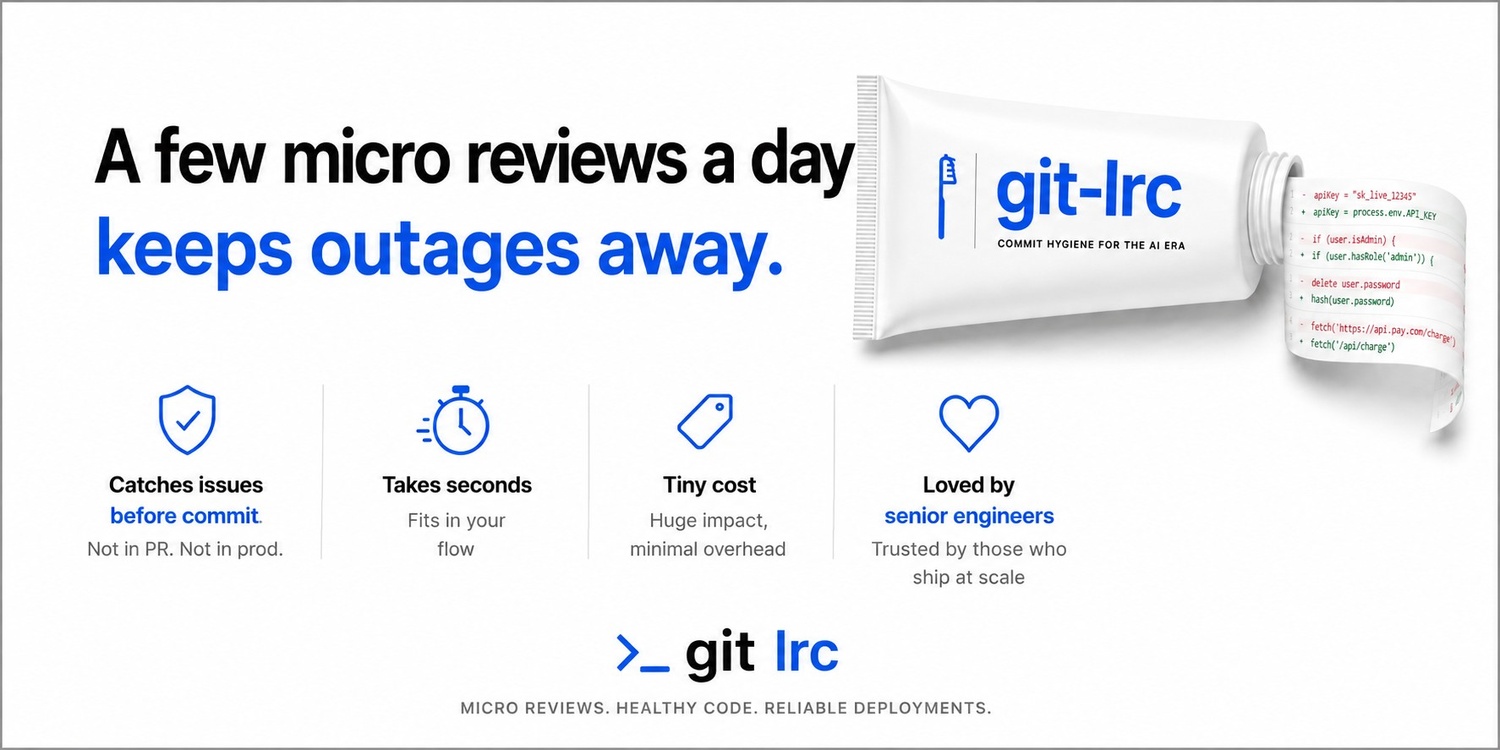
Local micro-review tool that runs small AI code reviews on commit so developers can catch issues early without sending every change through a large cloud review workflow.
Agent runtime sidecar that packages a hardened agent loop, multi-provider model support, and MCP connectivity into one Go binary that runs alongside an application.
Minimal macOS menu bar app that helps developers pace Claude Code and Codex usage across weekly and five-hour quota windows.
Interactive proxy and debugger for AI agents that intercepts prompts, detects loops, stores traces, and lets developers replay or inspect failures step by step.
One API and MCP-native search layer for web search, social search, and page fetching aimed at AI agents that need current information without stitching several providers together.
Self-hosted voice AI gateway that packages speech recognition, text to speech, diarization, metadata, and coaching flows into a local Docker deployment.
Visual comparison workbench for running several agent harnesses side by side against the same Graphlit-backed context, then inspecting tools, sources, timings, token usage, and judge scores.
AI system from INT21 that generates, tests, benchmarks, and iteratively improves low-level NVIDIA GPU kernels as part of a self-improving compute workflow.
Unreal Editor plugin that runs an MCP server inside the editor so AI assistants can search, inspect, and modify Unreal assets through a compact automation surface.
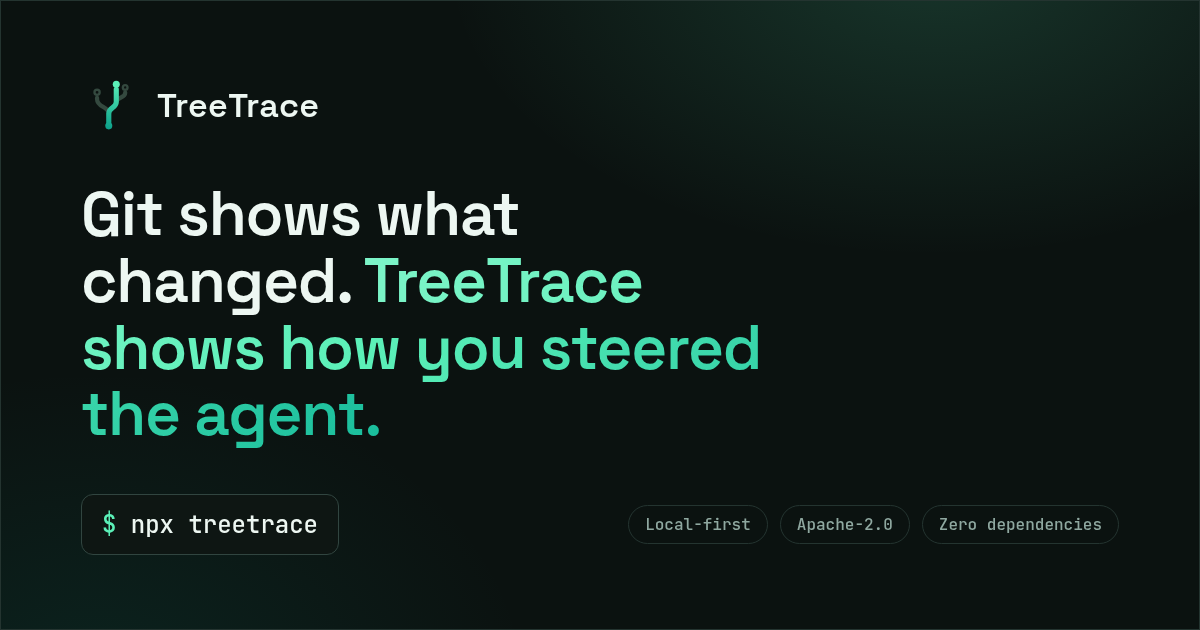
Local-first session analysis tool that turns coding-agent transcripts into steering history, lessons, handoff memory, and deterministic regression or eval artifacts.
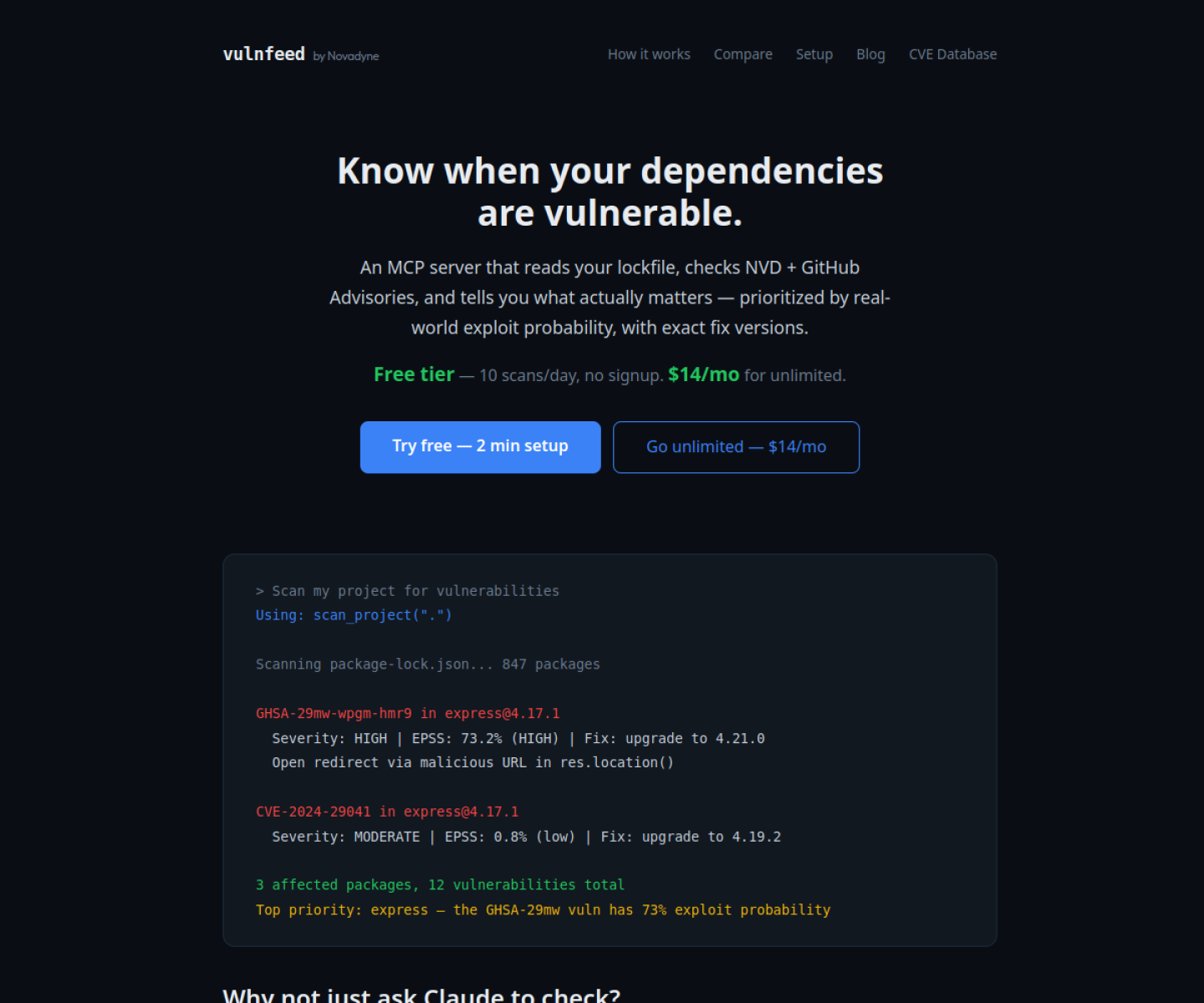
Dependency vulnerability monitoring MCP server that reads a project's lockfile, checks public advisory sources, prioritizes by exploit probability, and recommends concrete fix versions.
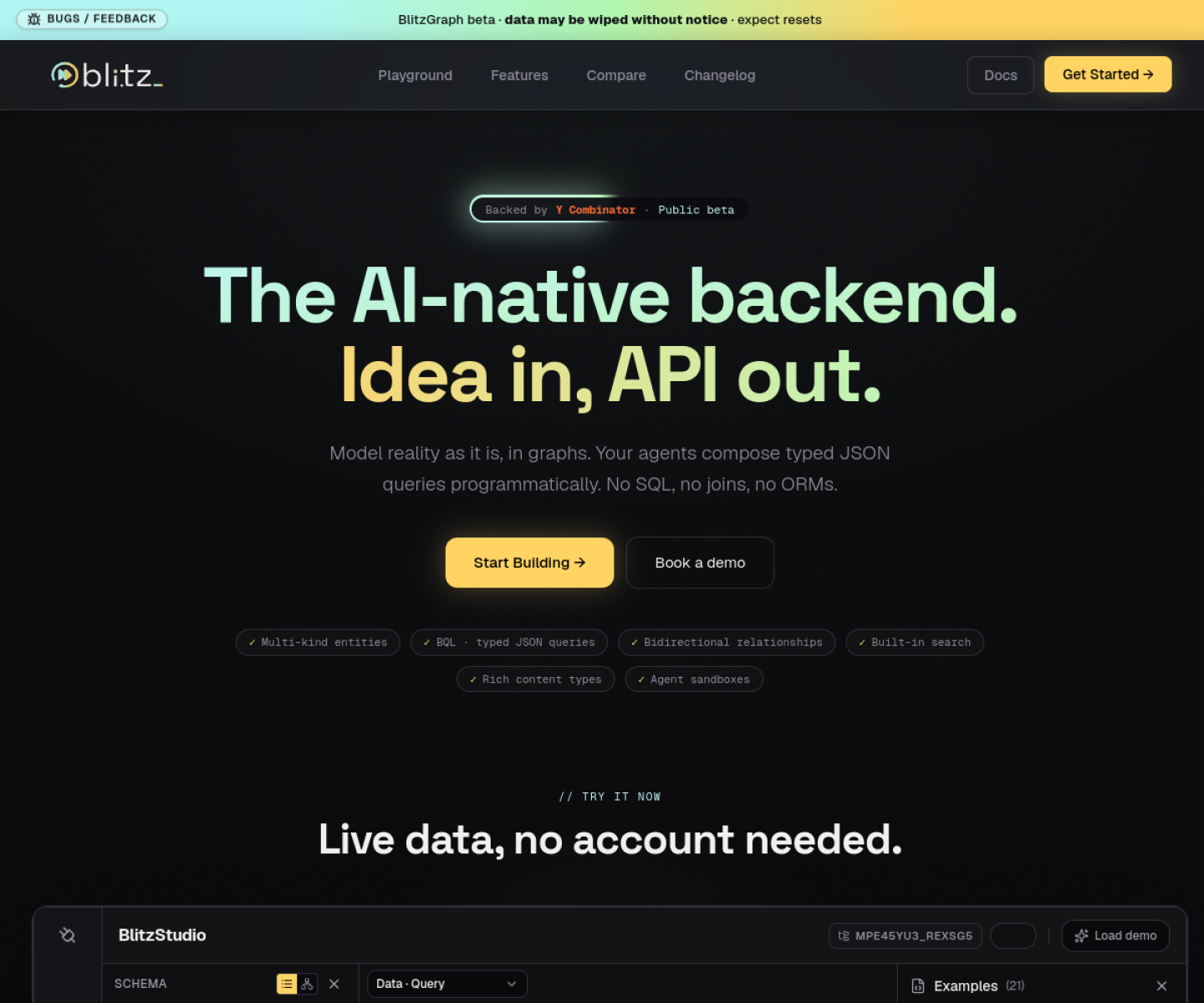
AI-native graph backend that lets agents work against typed JSON queries and mutations instead of stitching together SQL, joins, and custom ORM glue.
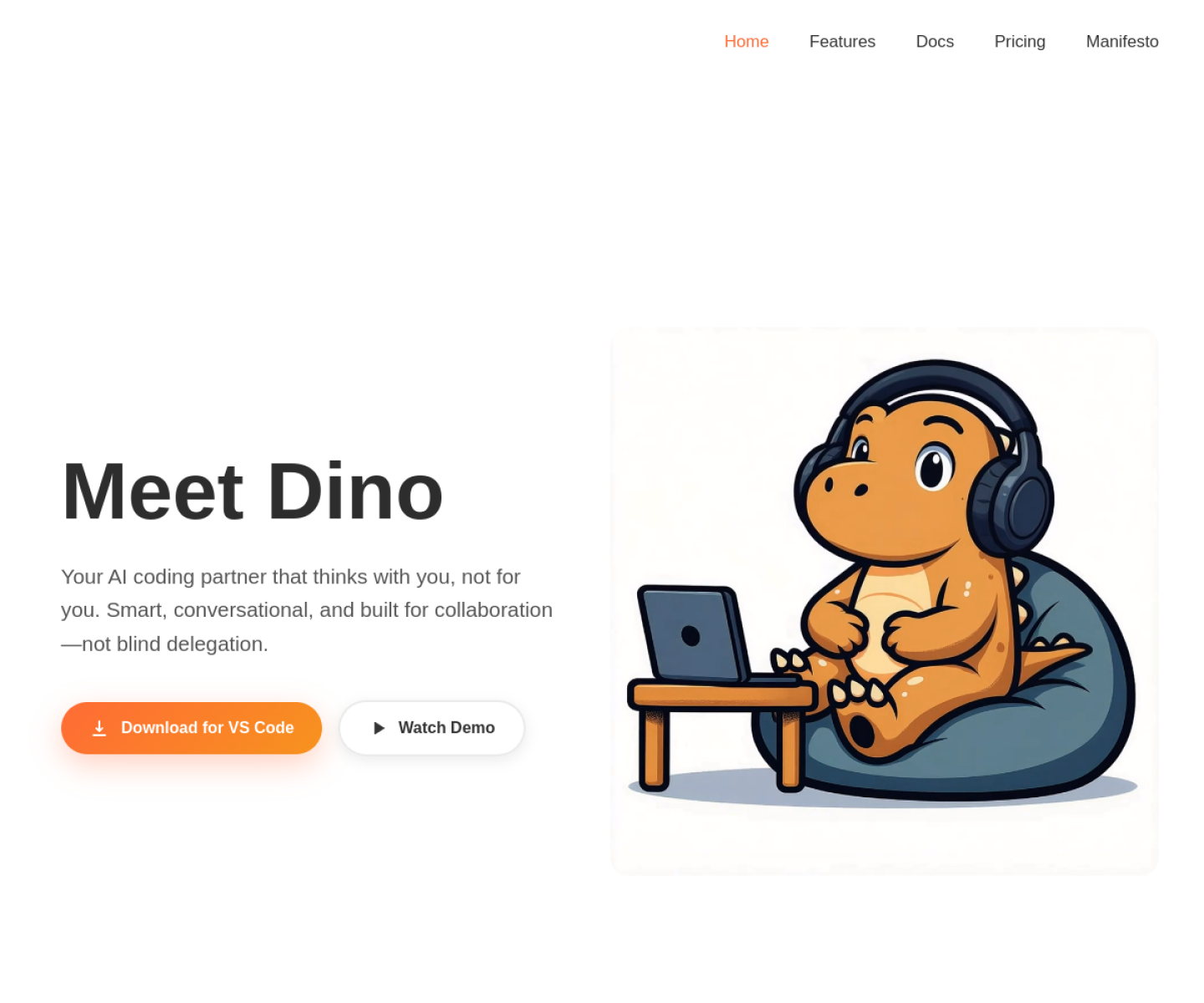
AI coding partner for VS Code that is designed to collaborate conversationally with a developer instead of disappearing into a fully delegated agent loop.
Local-first safety layer that intercepts dangerous shell actions from agents or humans, explains the risk, snapshots files for undo, and keeps a tamper-evident audit trail.
Policy gate for AI agents that evaluates tool calls before they run, blocks destructive actions with deterministic rules, and keeps signed audit records for teams that need governance.
Serverless visual IDE for agent skill repositories that maps markdown instructions into a dependency graph, validates them, and lets teams edit and open GitHub pull requests from the browser.
Agentic QA platform that runs an application in an isolated environment before merge so teams can catch behavioral regressions that static review misses.
Open-source C++ implementation of TurboQuant for compressing high-dimensional vectors to 1-4 bits per coordinate without a separate training phase.
Claude Code companion that grows a pixel-art forest in the terminal after each prompt and can turn virtual progress into paid real-world tree plantings.
Offline desktop usage meter that reads local transcripts from multiple AI coding tools and turns them into unified token, cost, activity, and achievement dashboards.
Tamper-evident audit trail plugin for OpenClaw that records sessions, prompts, tool calls, and spend into a local SQLite log with hash-chain integrity.
Community Visual Studio 2026 extension that brings Claude Code into the IDE with native diffs, accept-reject controls, compiler diagnostics, and live usage stats.
Local CLI that reads Claude Code transcripts and shows token usage, project breakdowns, cache hit rates, and estimated spend without sending data off the machine.
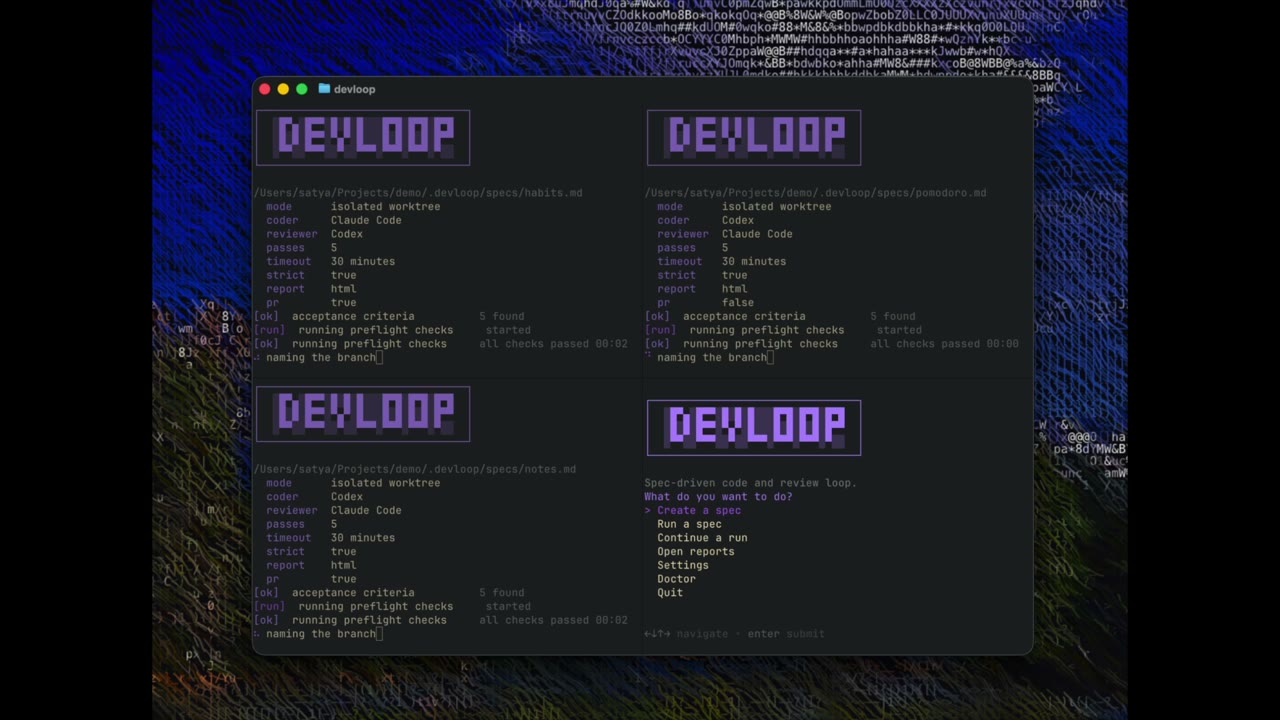
Spec-driven local coding loop that has Codex implement changes, Claude Code review them, and retries until the acceptance criteria are met.
Autonomous orchestration layer for AI coding agents that can drive work from task intake through research, planning, execution, review, pull request iteration, and final merge approval.
Installer and control stack for turning a PC, Mac, or Linux machine into a private AI server with local model inference, chat UI, workflows, agents, RAG, image generation, and service management.
CLI and skill package for getting a second opinion from another model inside an existing coding-agent workflow, with support for API backends, local CLIs, threads, git diff context, and a monitoring TUI.
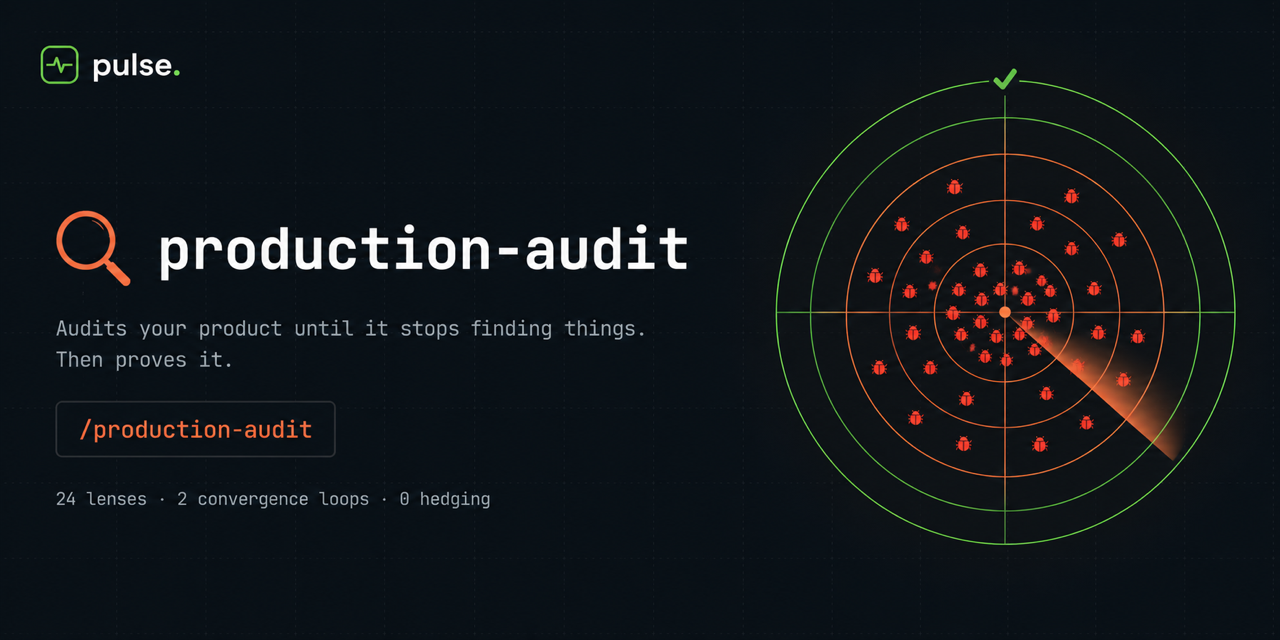
Iterative product auditing skill for Claude Code and similar coding-agent setups that keeps sweeping a codebase through different defect lenses until it stops finding new high-signal issues.
Protocol-translation and governance mesh for multi-agent systems that routes calls across MCP, A2A, ACP, OpenAI function calling, Gemini function calling, and related interfaces with identity, budgets, and audit trails.
Native macOS app for running parallel Claude Code sessions in isolated git worktrees, with session resume, merge-and-finish flows, token tracking, transcripts, and sandbox controls.
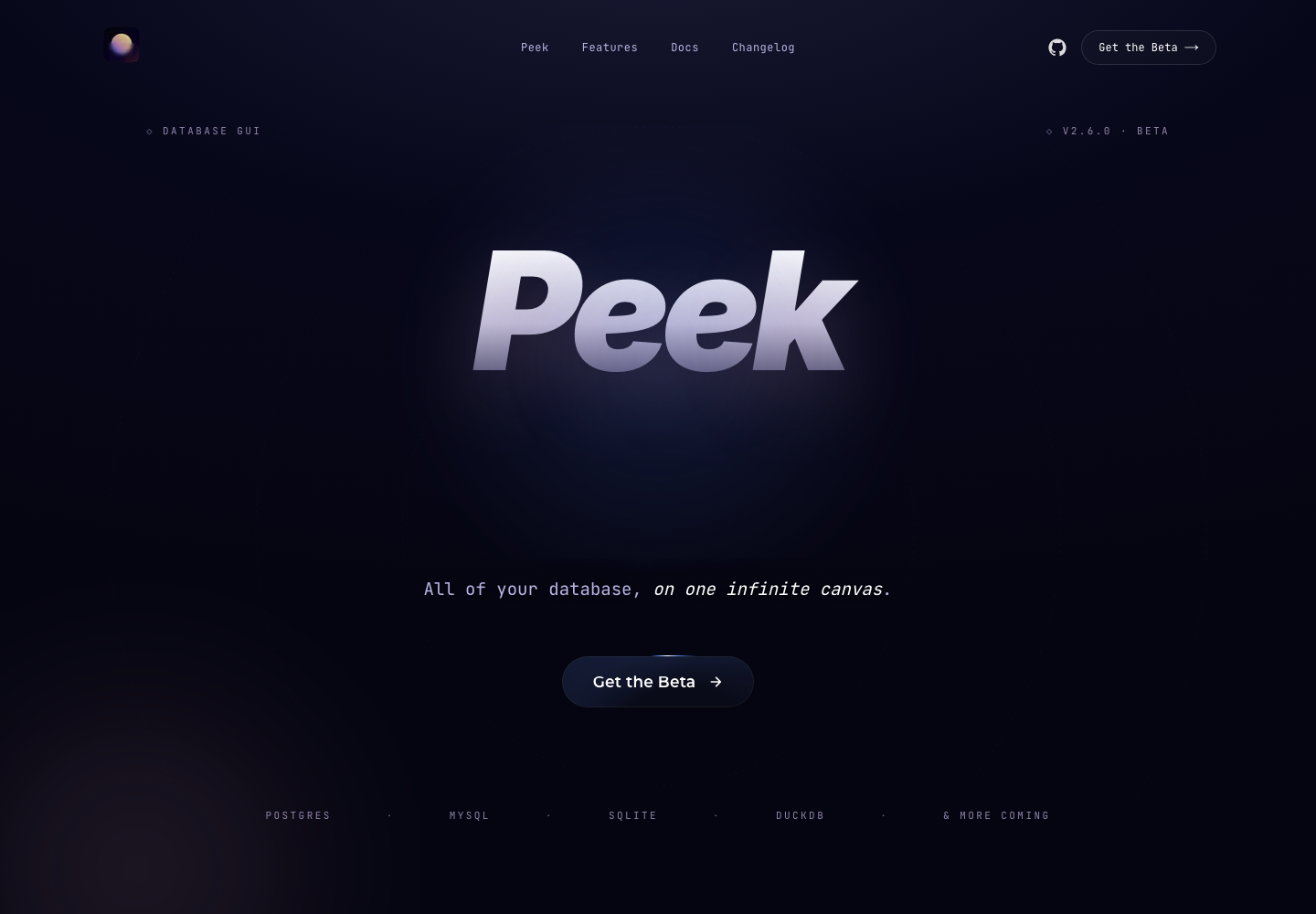
Database GUI built around an infinite canvas where queries, result sets, charts, notes, and agent actions live in one shared workspace instead of separate tabs or modal panels.
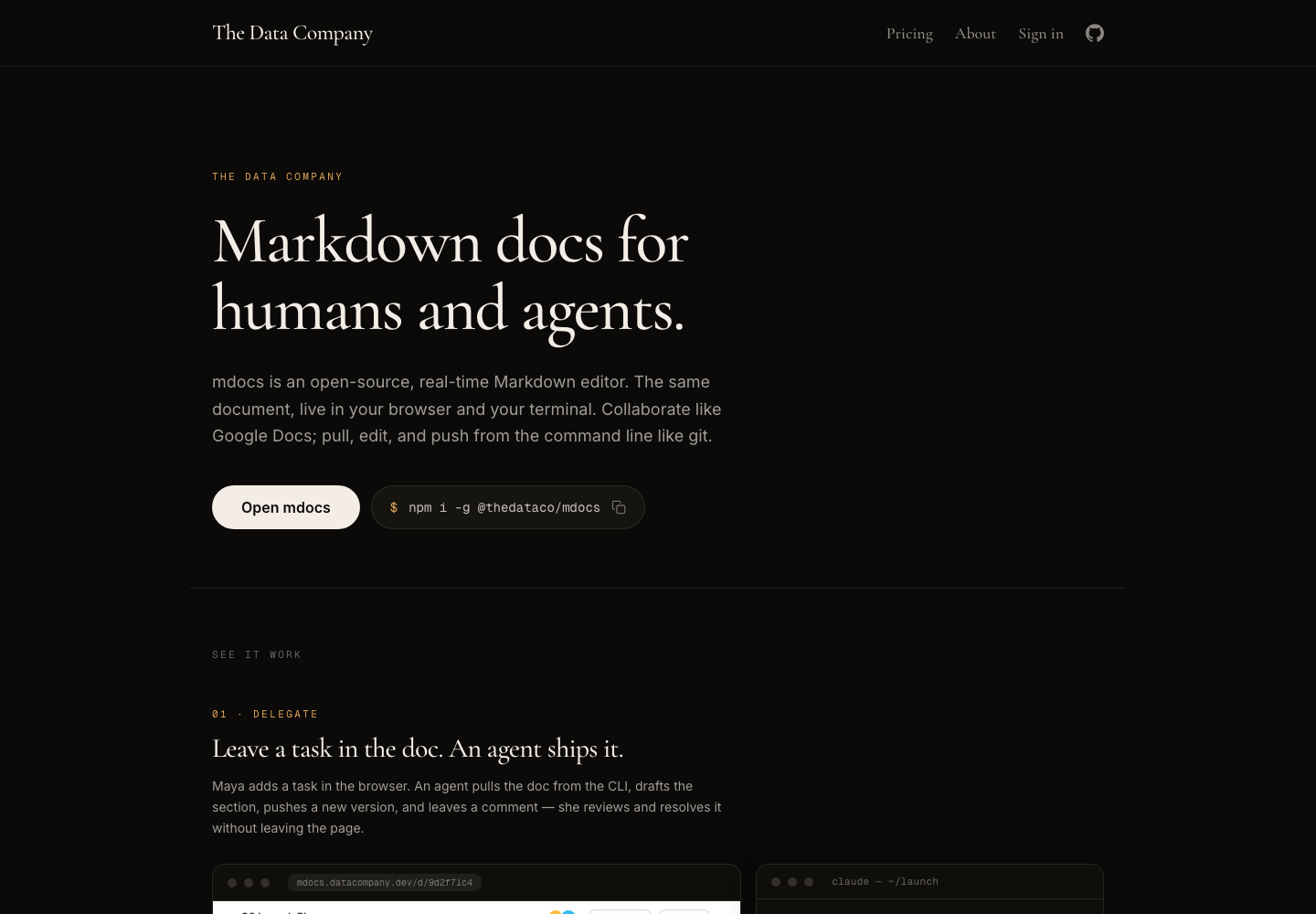
Real-time Markdown document system that keeps the same doc live in both the browser and the terminal, giving humans collaborative editing while agents can pull, edit, and push through a CLI with three-way merge behavior.
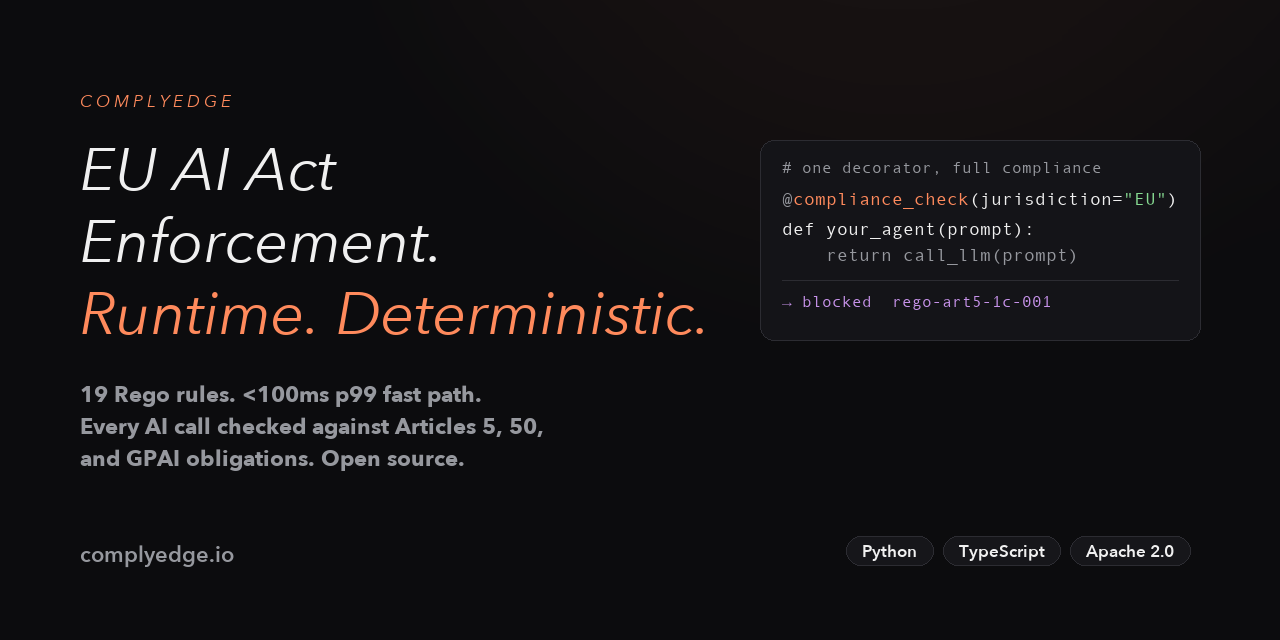
Runtime compliance enforcement layer for AI agents that checks every prompt or response against legal rule corpora and returns article citations, rule IDs, timestamps, and block decisions instead of a generic safety score.
Native Windows terminal multiplexer for running coding agents side by side, with split panes, workspace management, built-in browser automation, and an MCP bridge for tools like Claude Code, Codex CLI, and Gemini CLI.
Deterministic CI firewall for AI-generated pull requests that blocks risky workflow changes, out-of-scope edits, MCP config drift, and missing test evidence without relying on runtime LLM calls.
Local-first command-line browser interface that exposes structured page state, numbered actions, blockers, transcripts, and human handoff so coding agents can operate real websites without a screenshot-first loop.
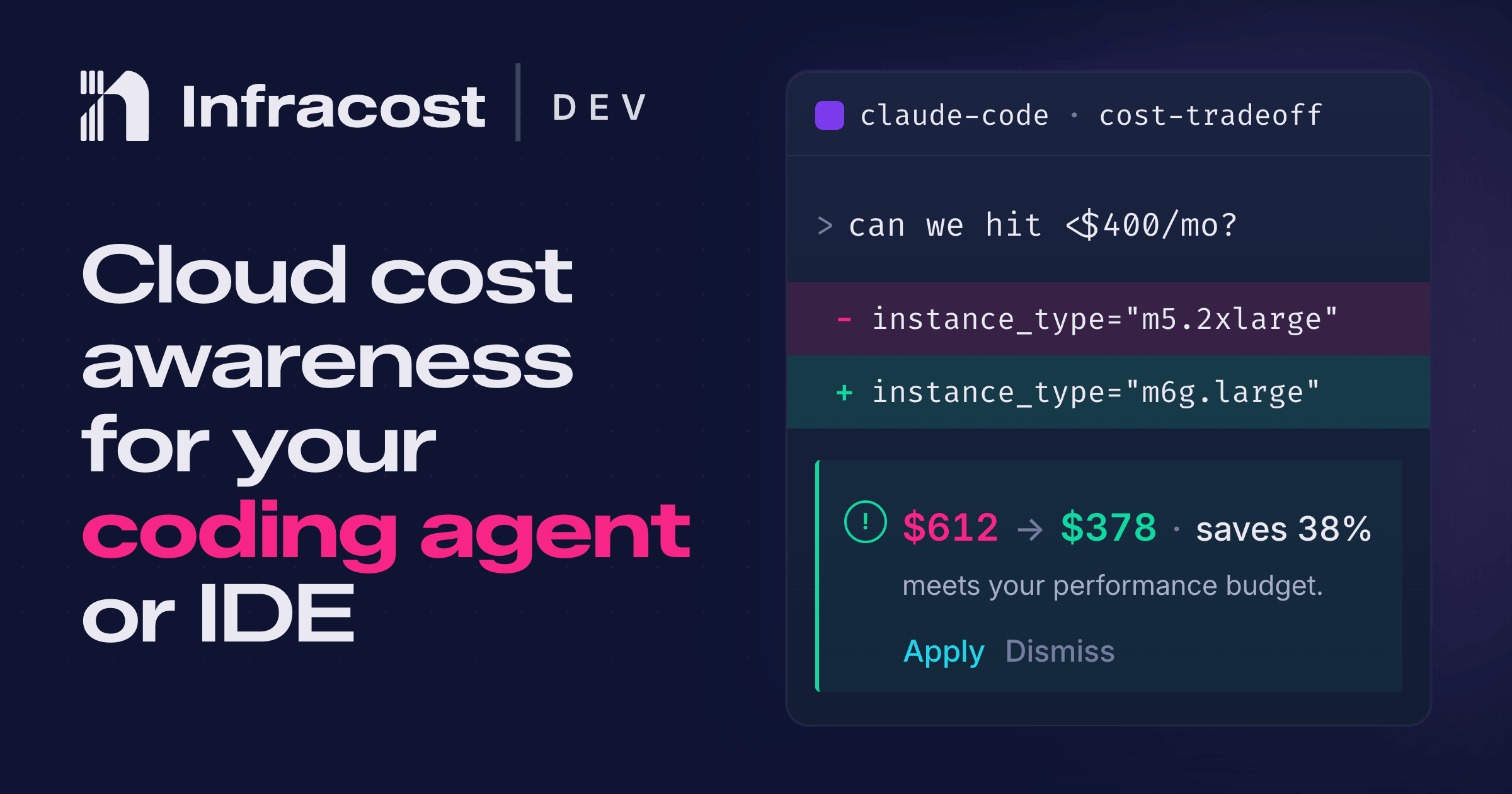
Agent-aware cloud cost analysis layer for infrastructure-as-code that feeds precise pricing, tagging, and FinOps guidance into coding agents and IDEs before infrastructure changes reach review.
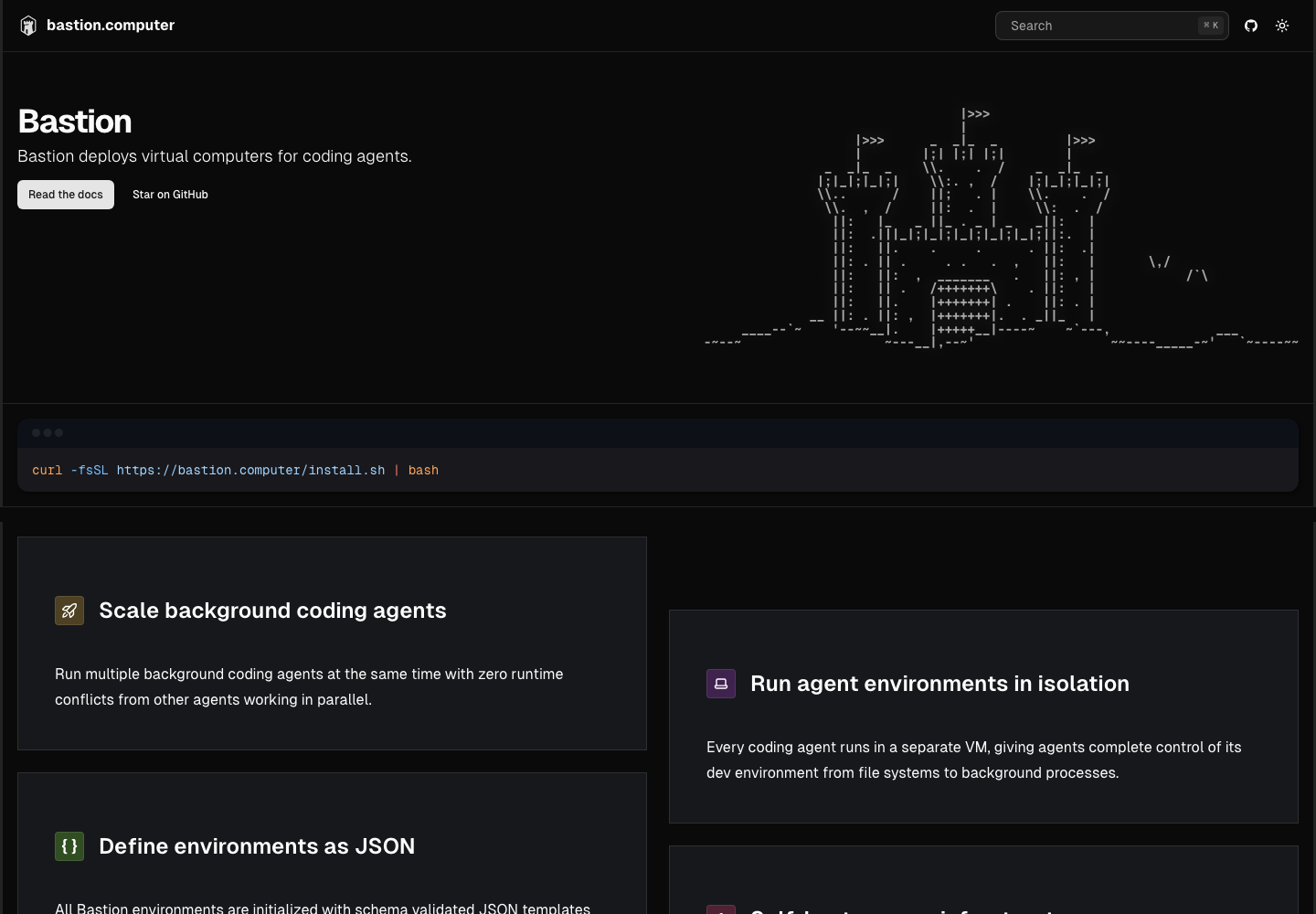
Infrastructure layer for running background coding agents inside isolated Linux virtual machines, with templates, environment provisioning, SSH or OpenCode access, and per-agent environment control.
Capability-sandboxed JavaScript and TypeScript runtime for running untrusted scripts, plugins, and agent logic with explicit limits on network, filesystem, environment access, CPU, memory, and time.
CPU-oriented realtime voice-agent harness that recreates multimodal interaction patterns like translation, interruption, and background tasks with mostly off-the-shelf components.
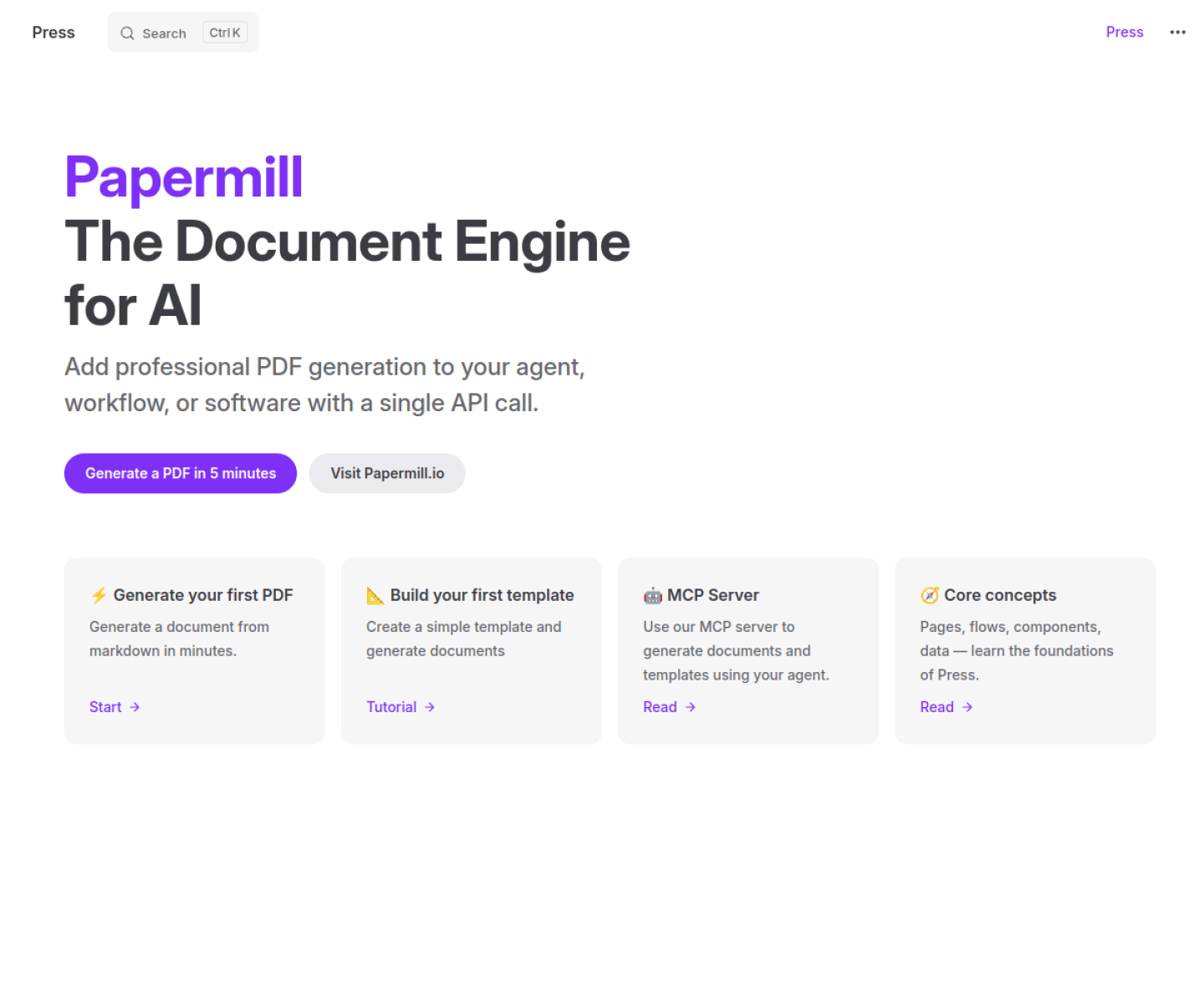
Print-native document engine and markup language for generating production-ready PDFs from markdown, JSON, and XML without fighting browser-first HTML layout.
Python supervisor for running several coding agents in parallel from one machine, with a centralized task queue, headless workers, and a dashboard for blocked-agent handoff.
Local MCP memory layer that gives assistants persistent cross-session recall through ChromaDB-backed vector search, versioning, and local reconciliation instead of a hosted memory API.
MCP research server that searches the web, verifies citations against real records, checks for retractions, and helps agents work from fuller source evidence instead of hallucinated references.
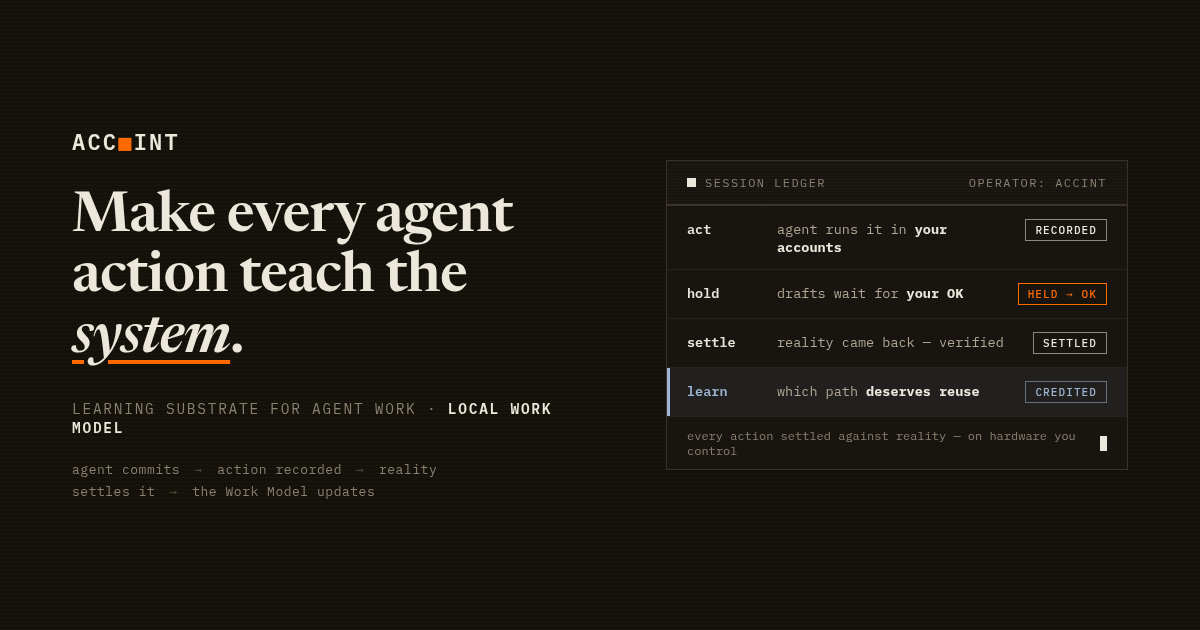
On-premise work model for agent-run development that tries to preserve receipts, authority gates, outcome credit, and reusable learning across repeated coding tasks.
Agentic web testing platform that lets teams describe end-to-end journeys in plain English and run them against live apps without maintaining brittle selectors.
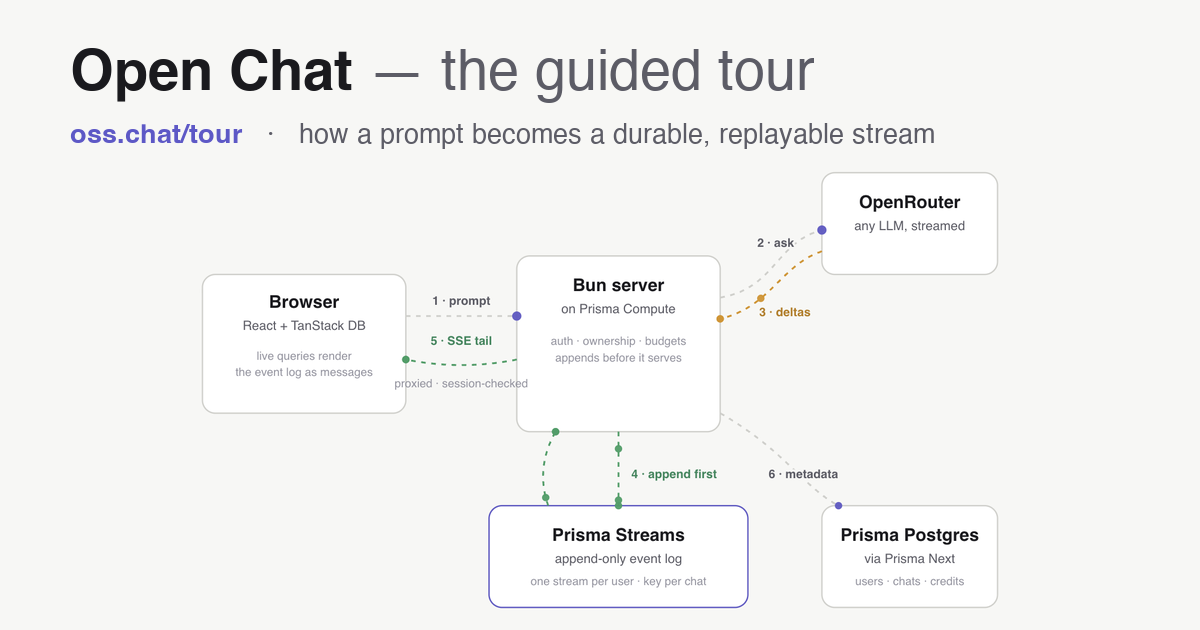
Open-source AI chat app that stores streamed tokens durably and ties the chat surface to Prisma Streams, Postgres, Next, and TanStack DB.
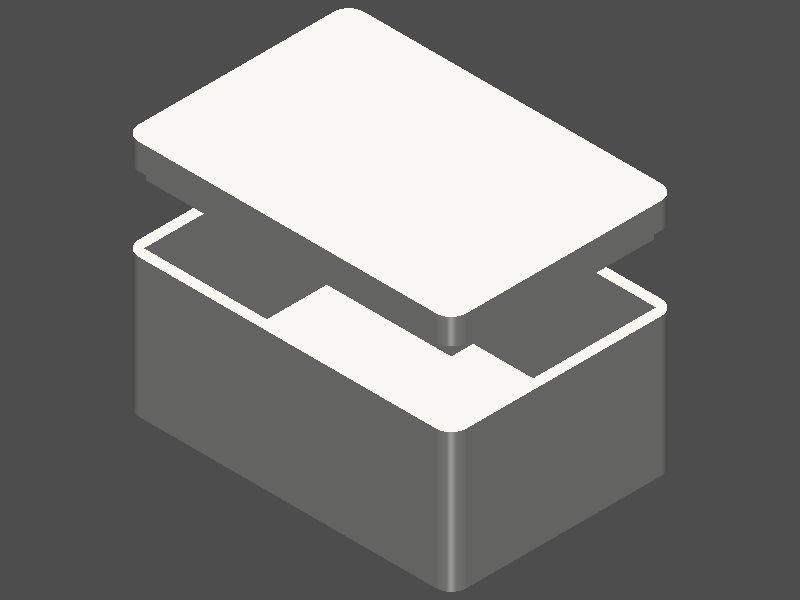
Open-source CAD CLI and MCP server that lets coding agents generate, render, validate, and export real 3D design output.
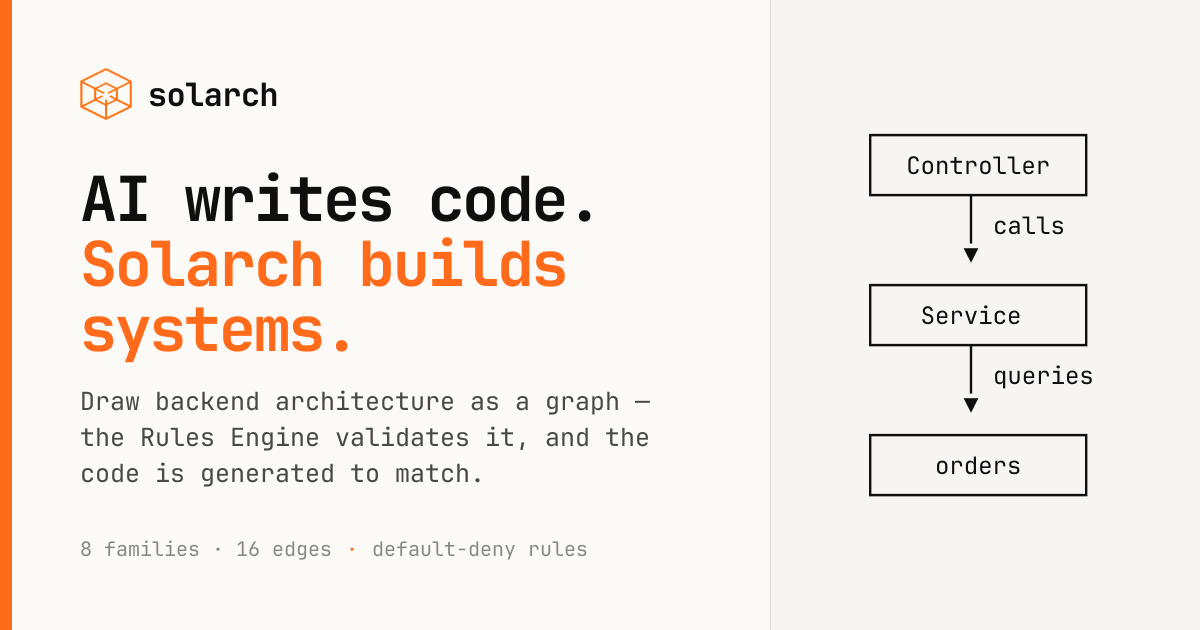
Architecture-to-code tool that turns backend diagrams into a validated graph and then generates code to match the approved structure.
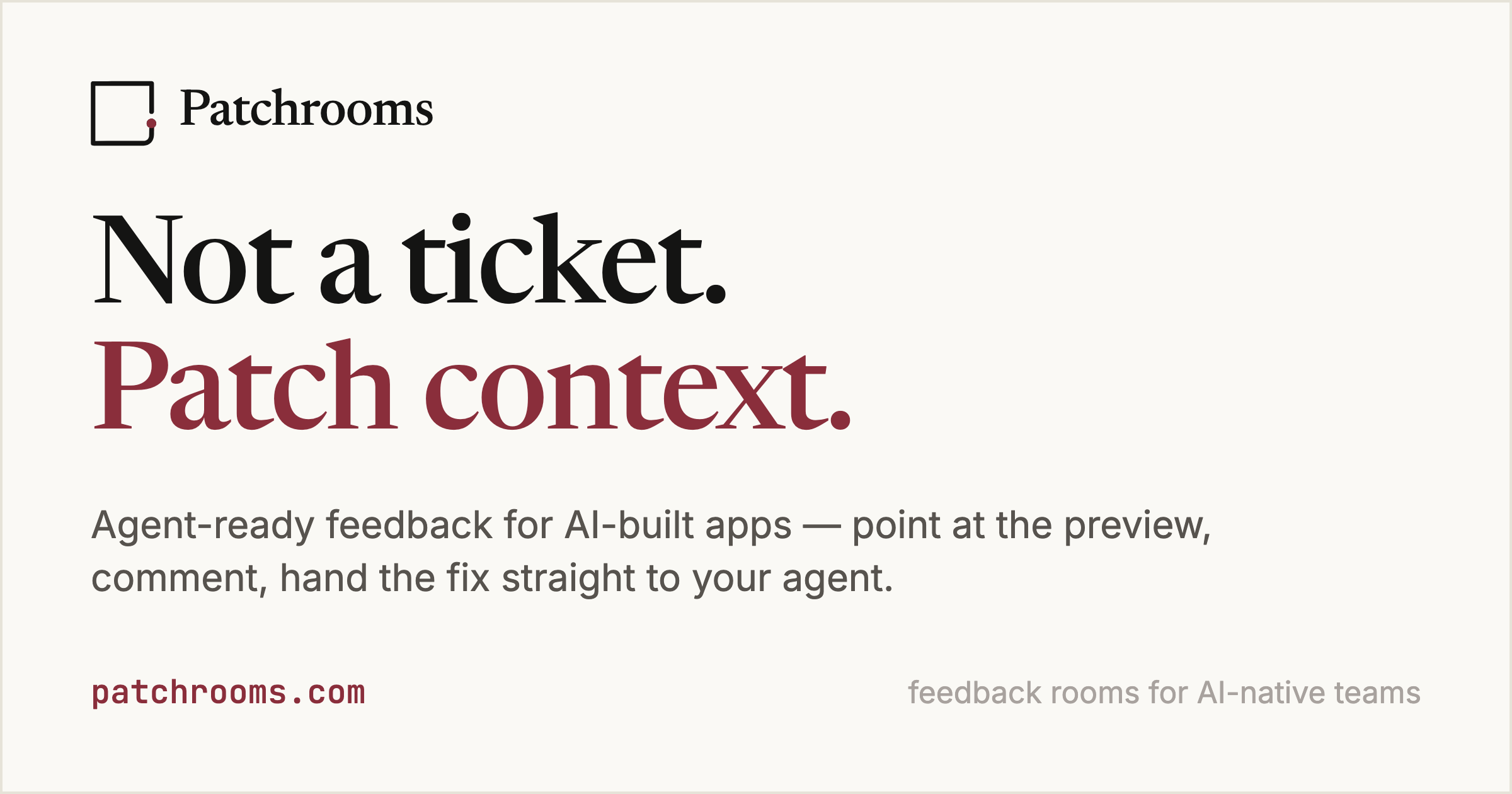
Visual feedback layer for AI-built apps that turns comments, screenshots, voice notes, and console context into agent-ready patch instructions.
Agent-native knowledge vault built on Markdown, full-text search, a typed graph, and MCP access instead of a traditional database stack.
Agent plugin and ruleset that pushes coding assistants toward smaller, cheaper, more native solutions before they write more code.
Local AI agent desktop workbench that brings coding, writing, phone connection, planning flows, and MCP skills into one desktop app.
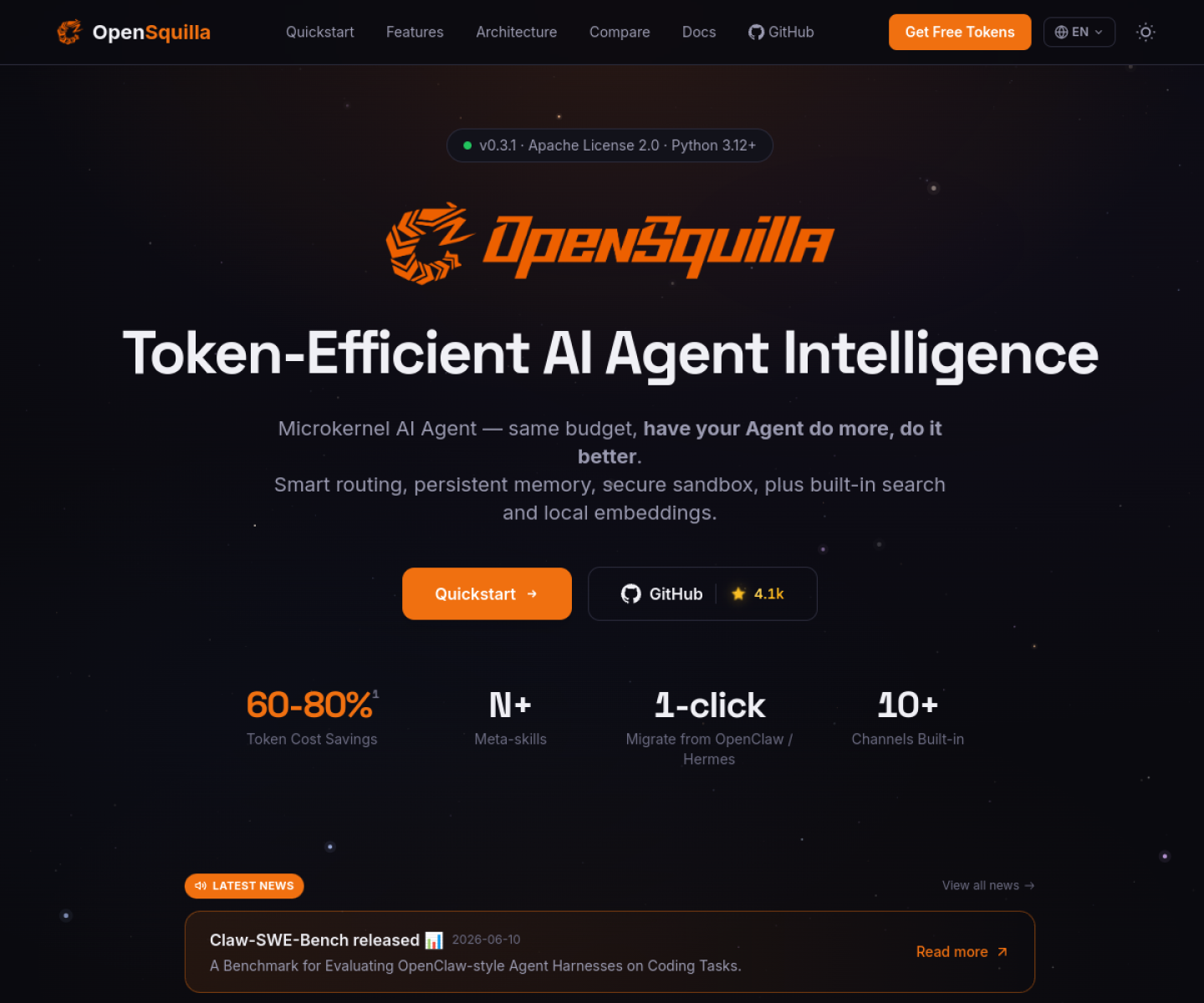
Microkernel-style AI agent runtime focused on doing more work per token budget with built-in memory, routing, and tool channels.
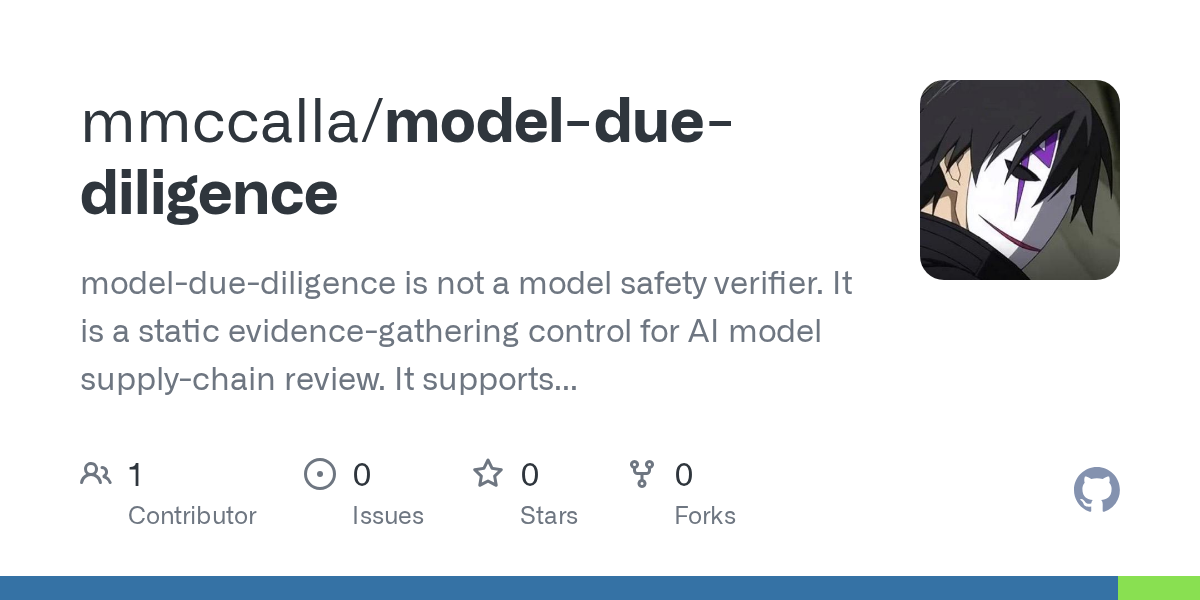
Static review CLI for AI model files and cloned model repositories before they are imported into local runtimes or agent stacks.
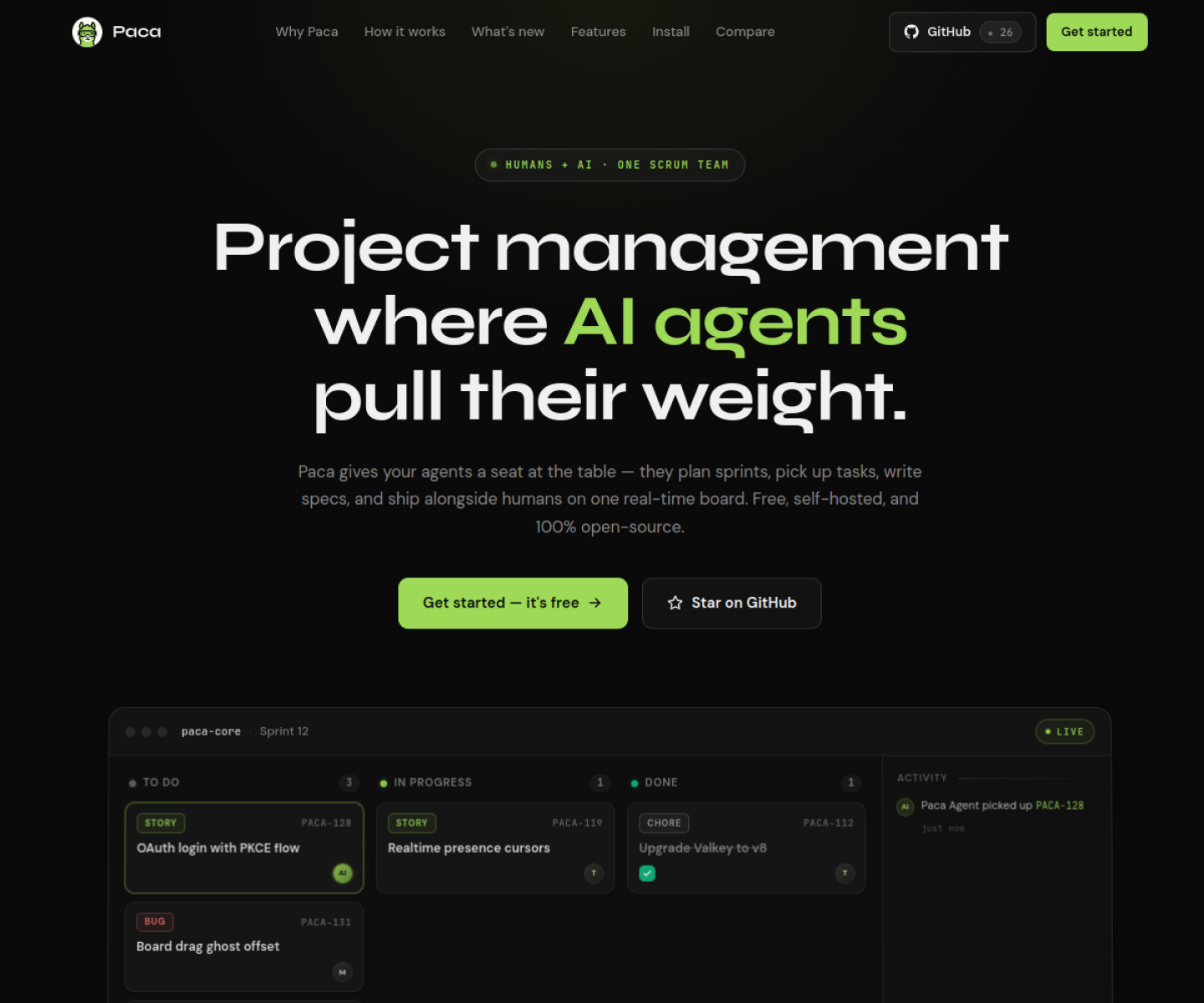
AI-native project management board where human teammates and AI agents share the same sprint, task, and planning surface.
Open-source autonomous agent project designed to pursue longer-running goals, highlighted by a recent demo in which it built and launched a paid x402 service.
Local-first coding agent for .NET and Ollama workflows, built to read, edit, plan, search, and browse within a codebase without relying on a hosted default.
Lightweight AI API gateway and proxy written in Go, aimed at securing and controlling model traffic without adding a heavyweight platform layer.
Hybrid code-search engine for agents, combining symbolic and embedding-based retrieval in a Go project that is described as MCP-compatible with semble.
Agent harness for complex codebases that adds project memory, planning, execution flow, and verified completion around Codex work.
Persistent memory plugin and server for agent workflows, using local SQLite and structured tiers instead of a vector database-first design.
Microsoft's agent-enabled fork of Windows Terminal, built to bring native AI agent integration directly into the command line.
Native macOS GUI for the Mole CLI, combining cleanup, optimization, analysis, history, and an MCP server into one desktop utility.
Community edition of RepoPrompt, a native macOS context-engineering app for AI coding agents with an MCP-capable CLI and repo-focused prompt preparation.
Local observability tool for TypeScript AI agents that turns tool calls, LLM calls, logs, failures, and durations into readable execution trees in the terminal.
Git-like memory system for AI agents, built to branch, preserve, and manage context instead of treating memory as one flat shared log.
Open-source agentic security scanner designed to inspect codebases and surface application security issues with an autonomous workflow.
Unified virtual filesystem for AI agents that mounts services and data sources into one bash-addressable workspace with snapshots, cloning, and caching.
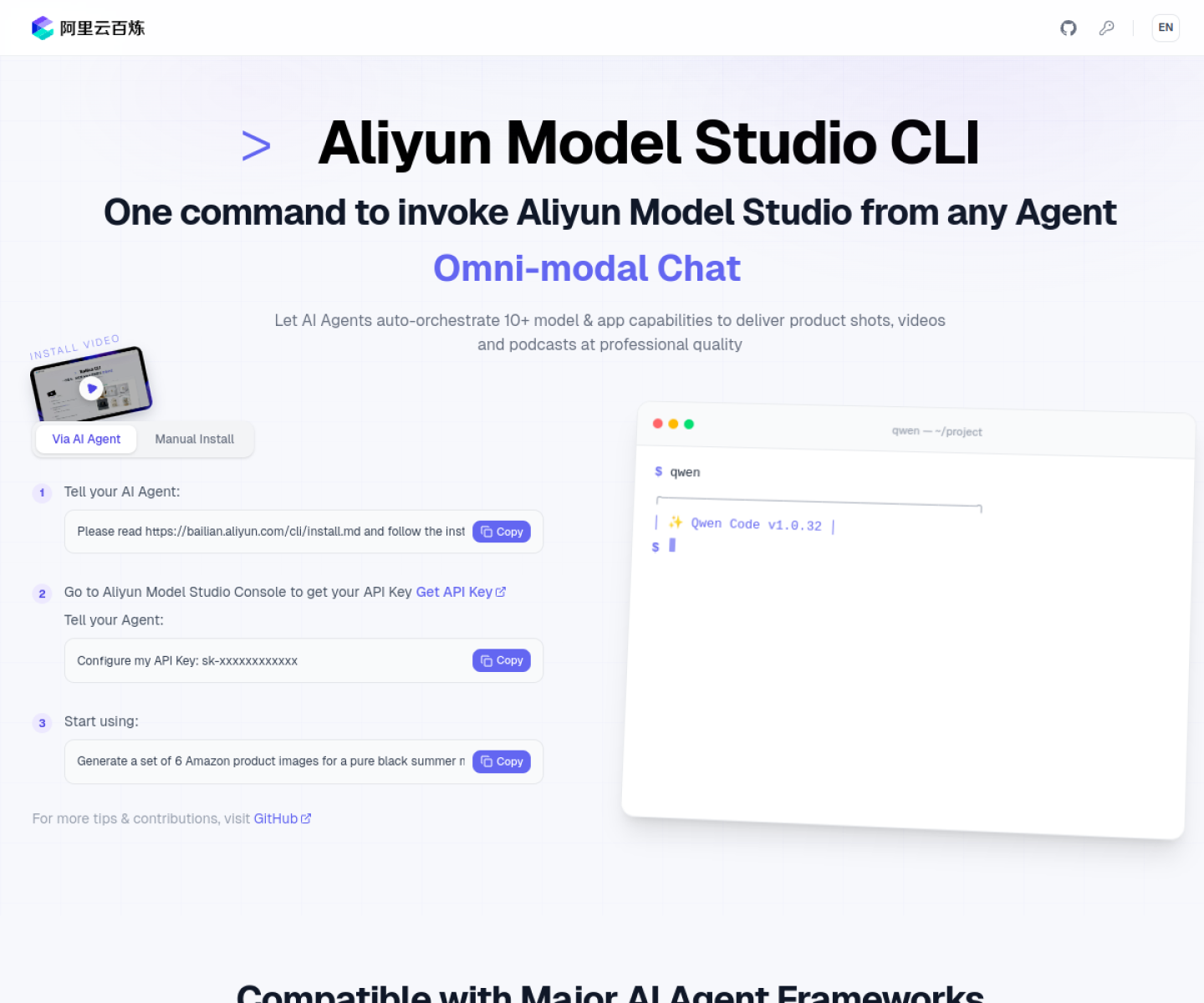
Official Alibaba Model Studio CLI for calling text, multimodal, image, video, speech, search, knowledge-base, memory, agent, and workflow capabilities from one command surface.
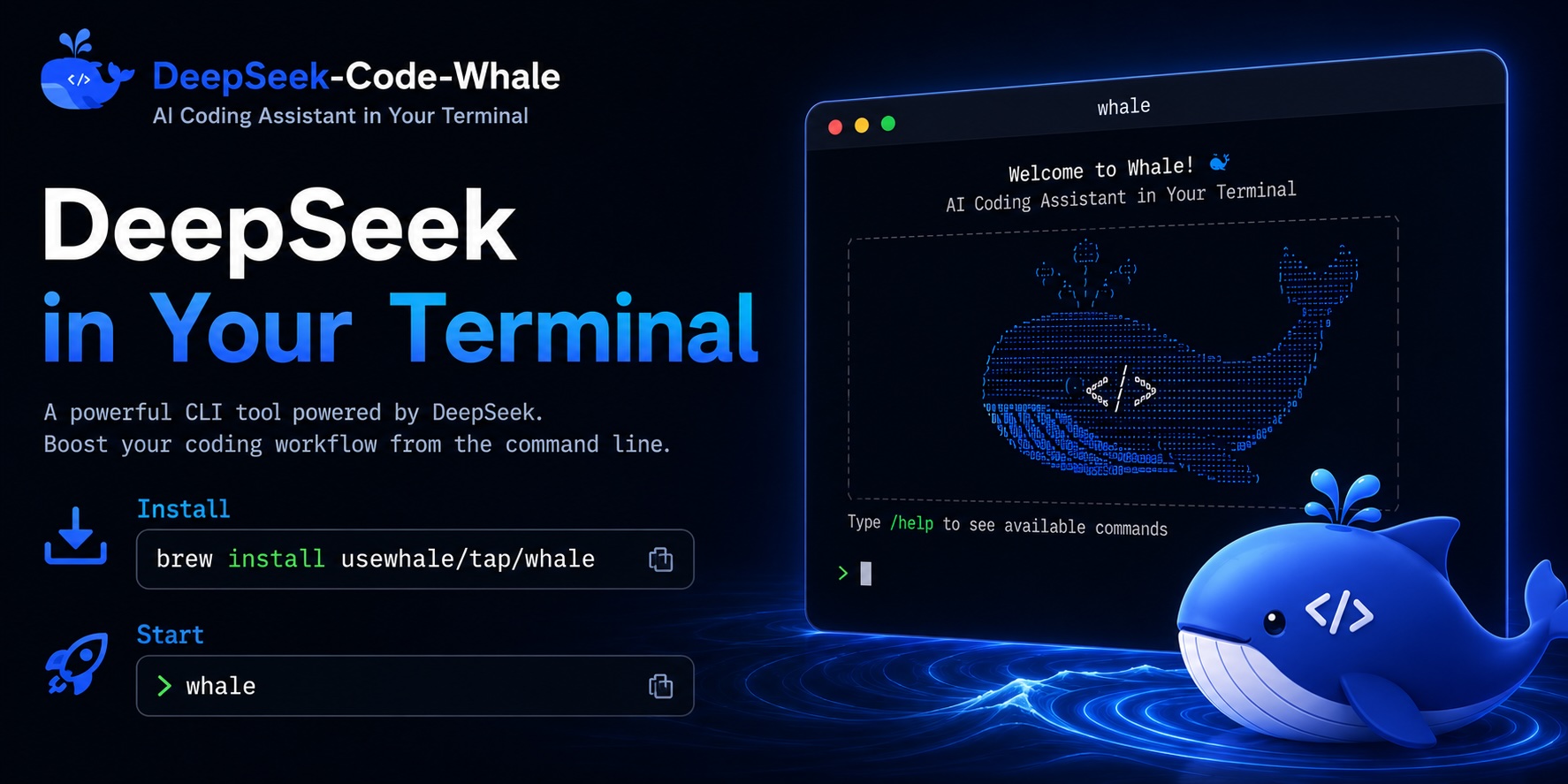
Terminal-first coding agent for DeepSeek workflows, with MCP tools, long context handling, and project memory for complex repository work.
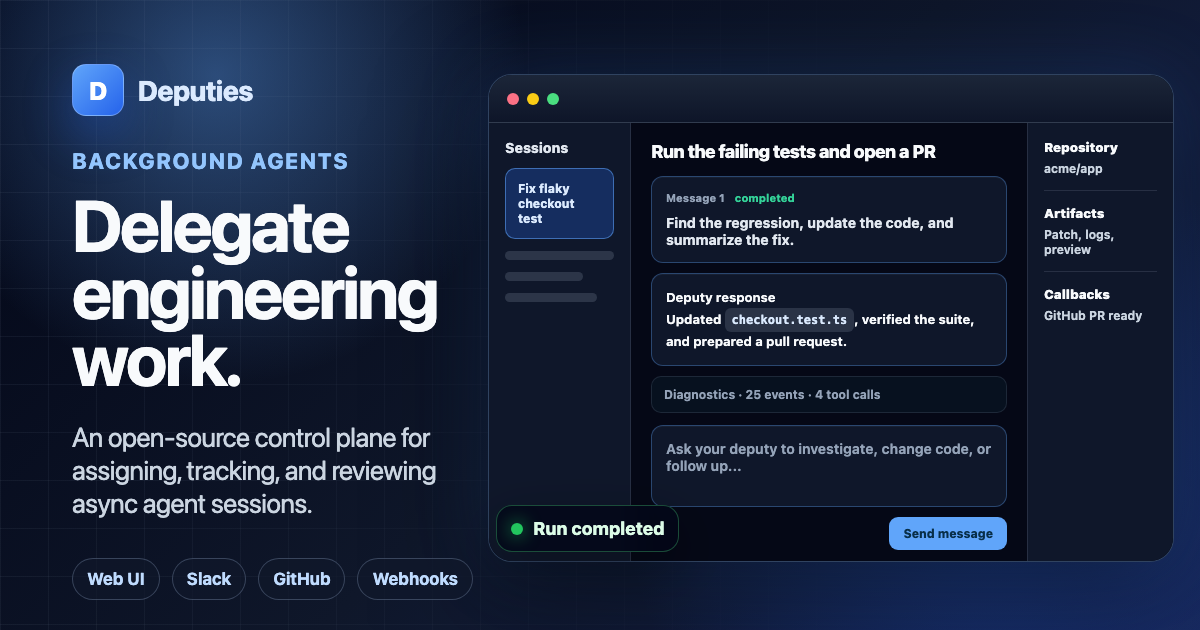
Open-source control plane for background coding agents, with managed sandboxes, work queues, logs, artifacts, and review flows for delegated engineering work.
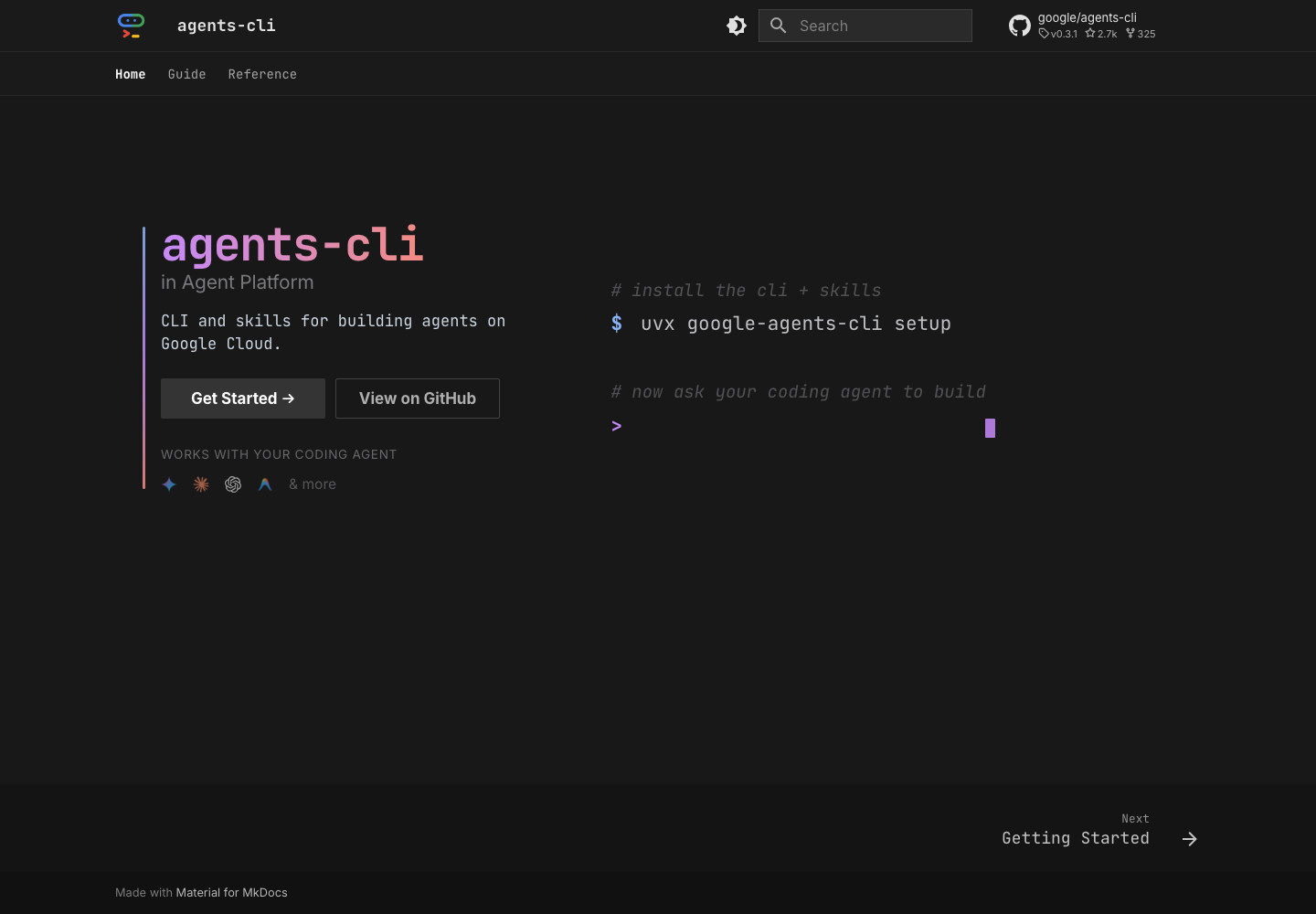
CLI and skill collection that helps coding assistants create, evaluate, and deploy AI agents on Google Cloud with more structured workflow support.
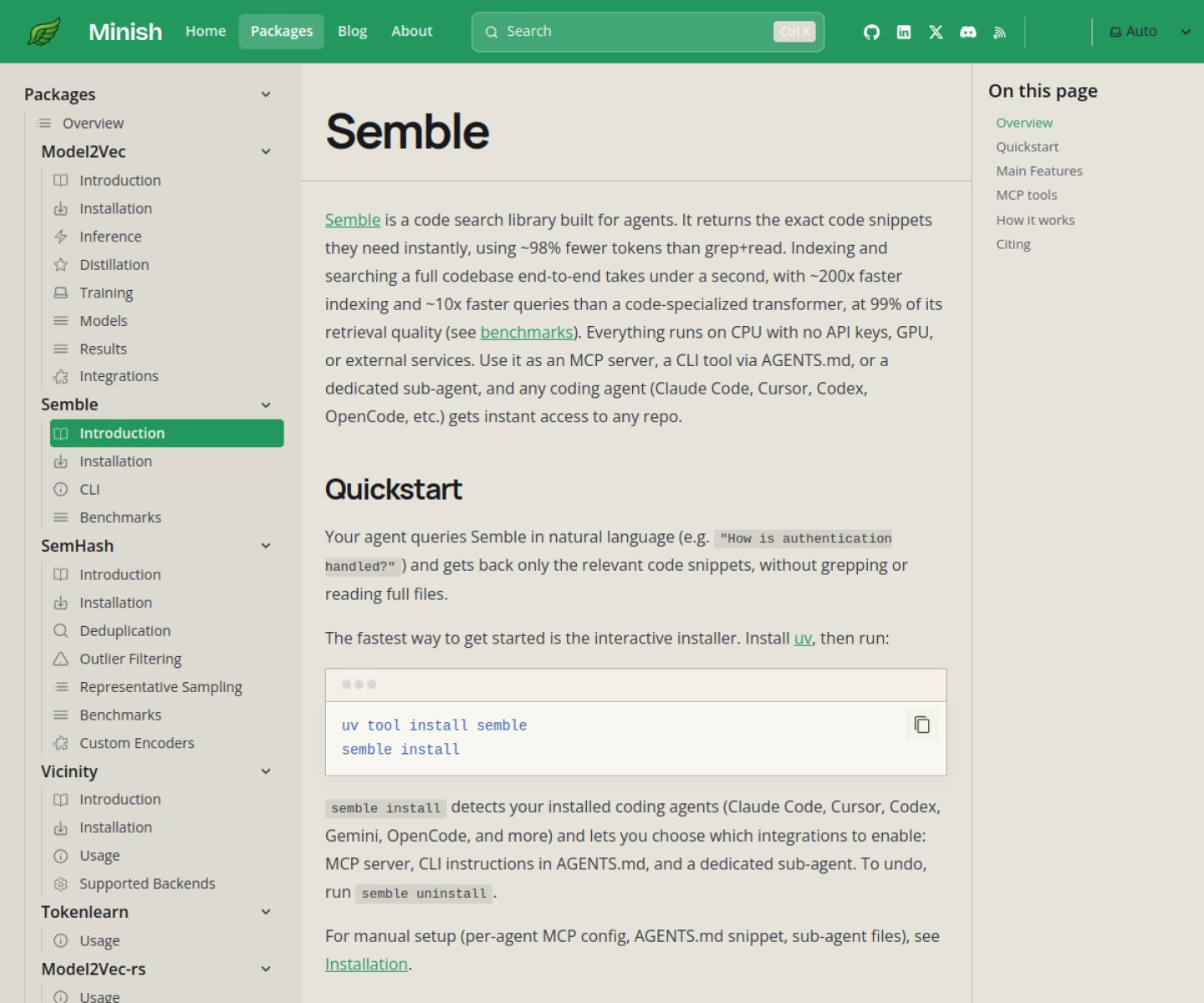
Code-search engine for agents that aims to surface the right repository context using far fewer tokens than naive grep-plus-read workflows.
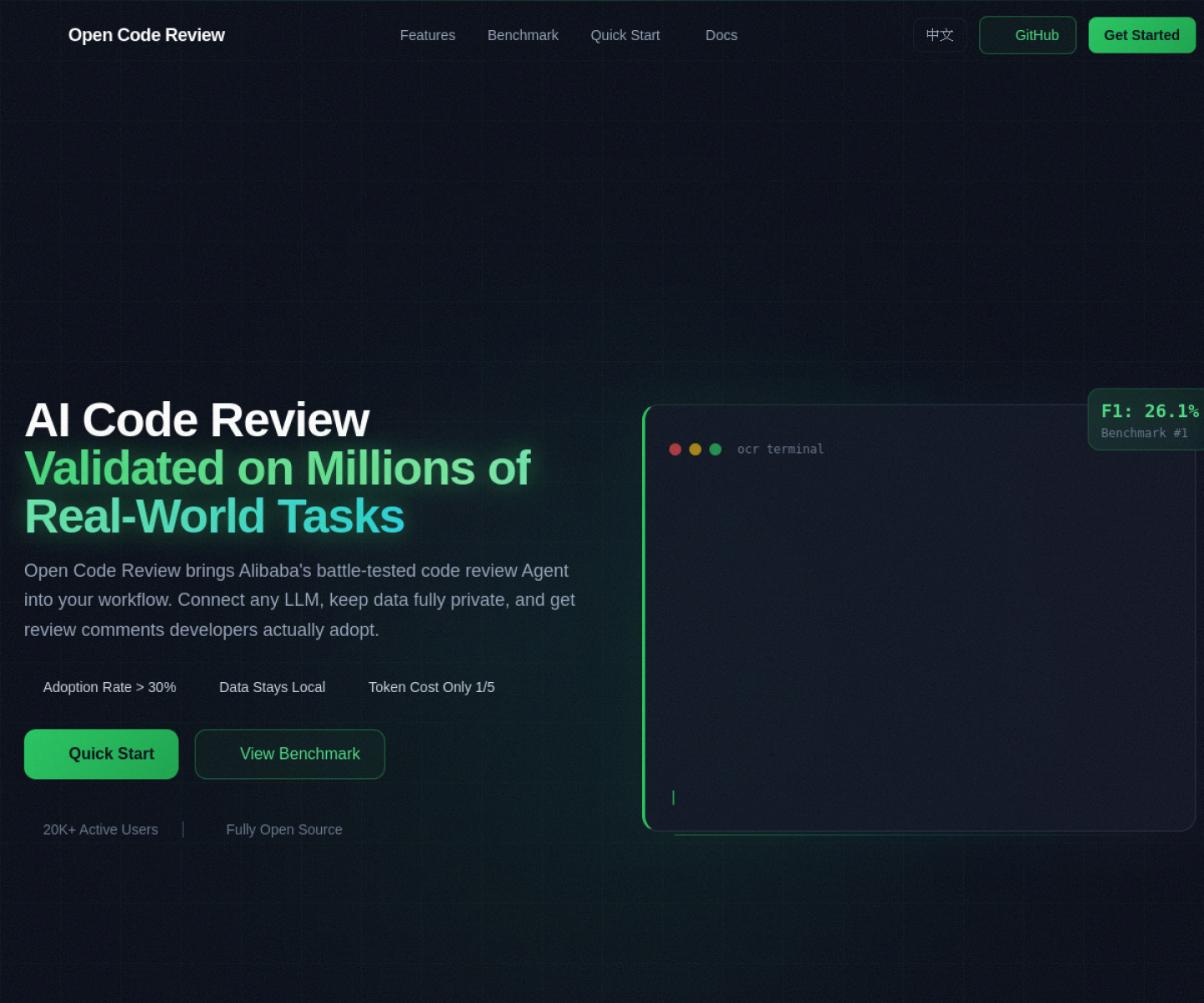
Hybrid code-review tool that combines deterministic rules with an LLM agent to produce line-level feedback on bugs, security issues, and maintainability risks.
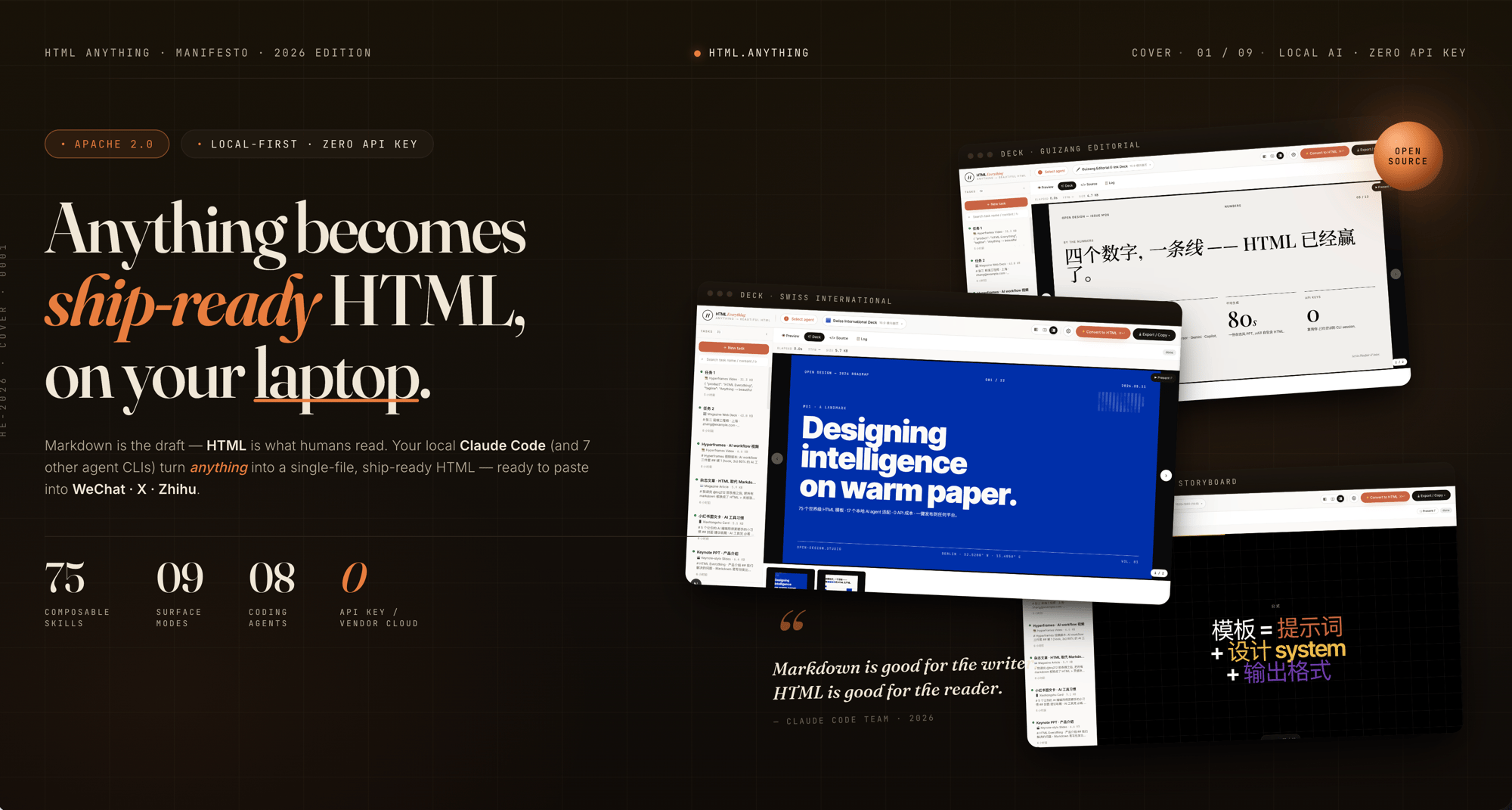
Local agentic HTML editor that lets coding agents generate production-ready pages and assets across formats such as decks, posters, prototypes, and social visuals.
Android GUI agent framework for phone-use automation and research, built around agents that can observe, plan, and operate real mobile interfaces.
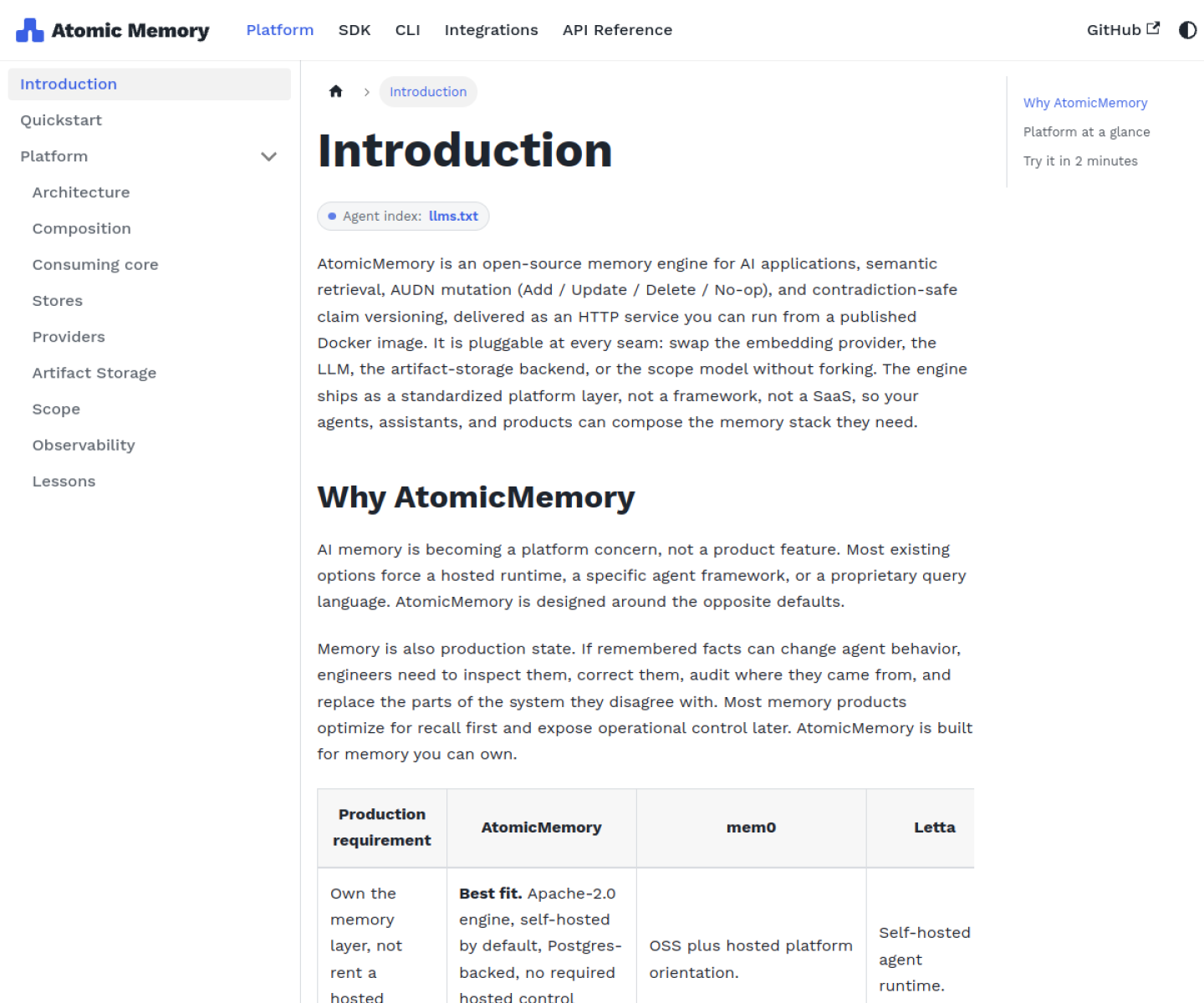
Portable semantic-memory stack for AI agents with a core engine, SDK, CLI, host plugins, and MCP server rather than a single app-specific memory feature.
Chat-coding framework for IoT devices that lets developers build and operate embedded AI workflows around Espressif hardware.