Obsidian Wiki
Framework for AI agents to build and maintain a digital brain in Obsidian using wiki-style knowledge patterns instead of a purely opaque memory layer.
agent memoryobsidianknowledge graph+2
Router One, Localforge, Kun, OSS Insight, Ponytail are the best 5 Code&IT AI tools in 2026
Framework for AI agents to build and maintain a digital brain in Obsidian using wiki-style knowledge patterns instead of a purely opaque memory layer.
Official AWS-supported collection of MCP servers, skills, and plugins for agents that need to build, inspect, or operate against AWS services.
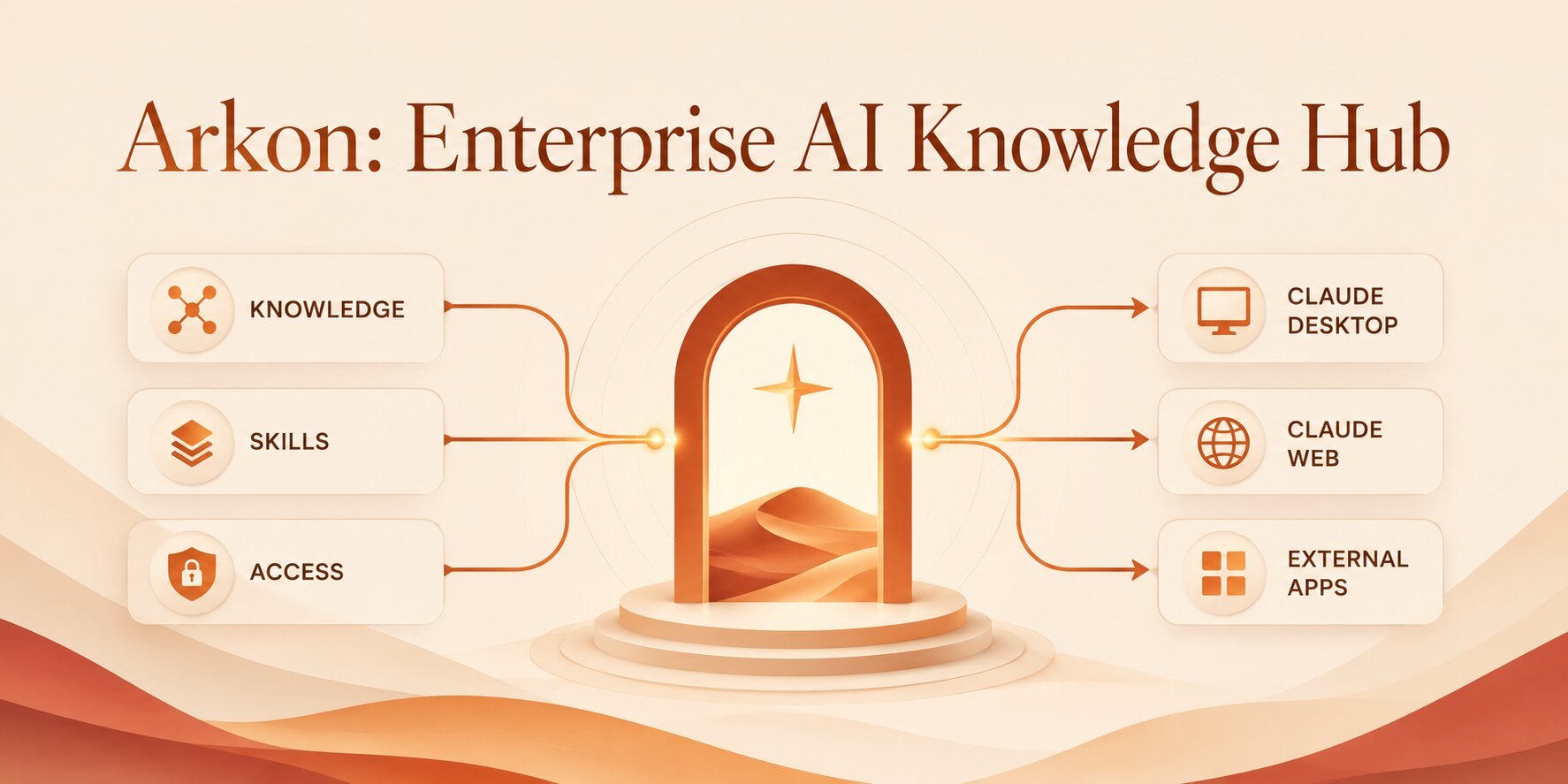
Self-hosted knowledge hub and MCP server for teams that want governed RAG context, access controls, and reusable AI skills in one internal system.
Real-time search MCP server that gives AI agents a unified way to query current web information through the AnySearch platform.
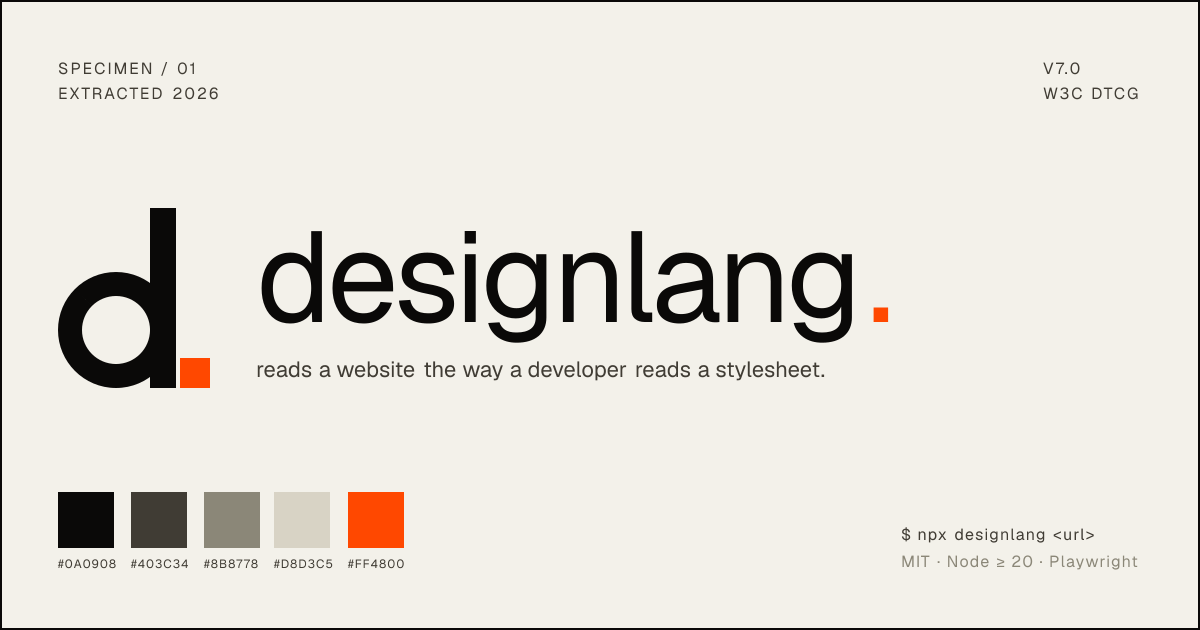
Design-system extraction tool that turns a live website into DTCG tokens, component mappings, and MCP-ready outputs for coding agents and design workflows.
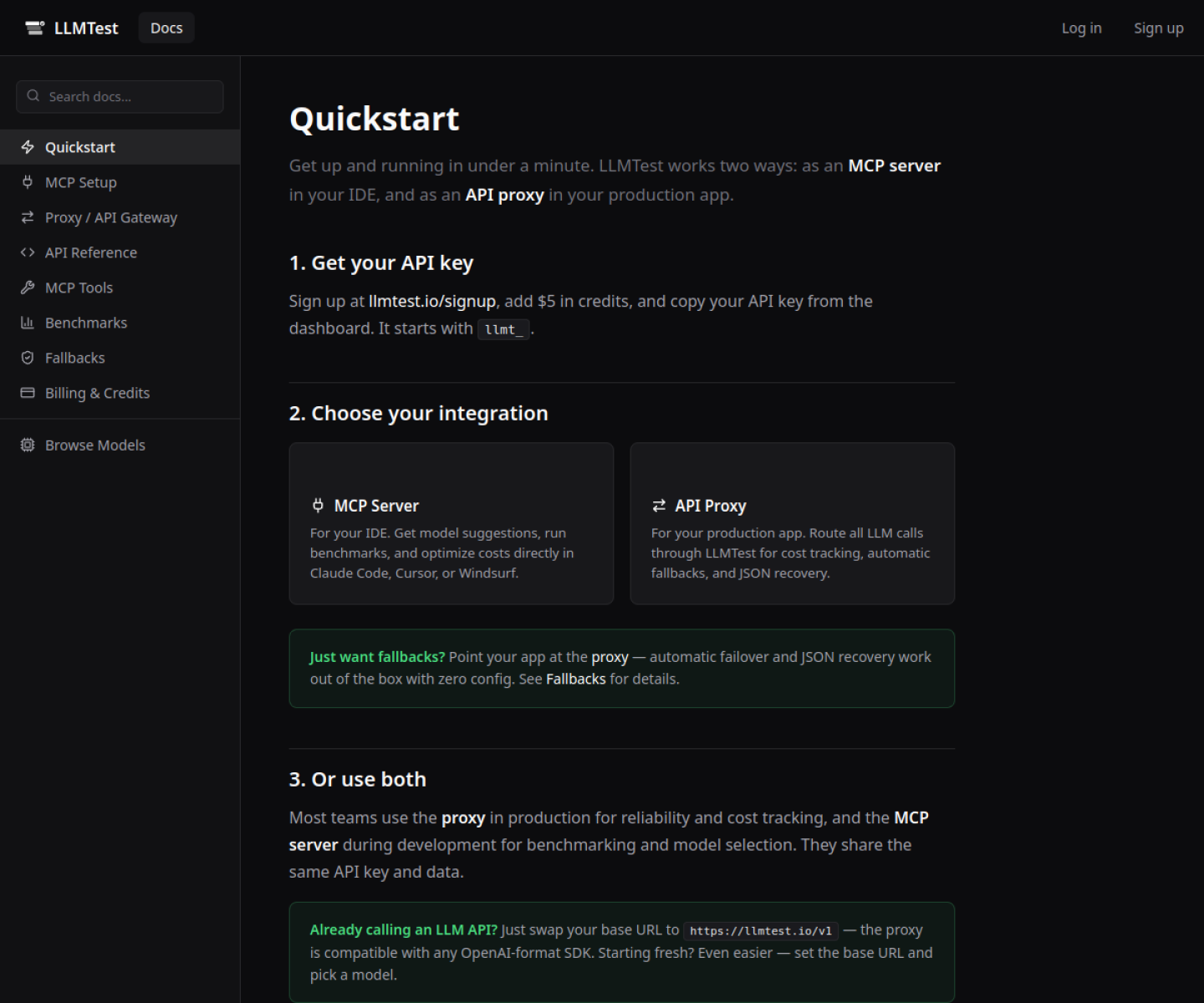
AI proxy that benchmarks prompts on real tasks, routes requests across models, and handles failover when provider APIs degrade.
Anthropic-compatible and OpenAI-compatible AI gateway that fronts many model providers behind one key, with free open-source model access and automatic failover.
OpenAI-compatible and Anthropic-compatible gateway for routing Claude, GPT, Gemini, and other model calls with provider fallback, request traces, and multiple payment rails.
Context-control proxy for coding agents that compresses history and tool output, trims irrelevant tool definitions, and tries to preserve signal while lowering token use.
Read-only debugging tool for Claude Code that reconstructs full session transcripts, tool calls, token usage, and compaction boundaries from local logs.
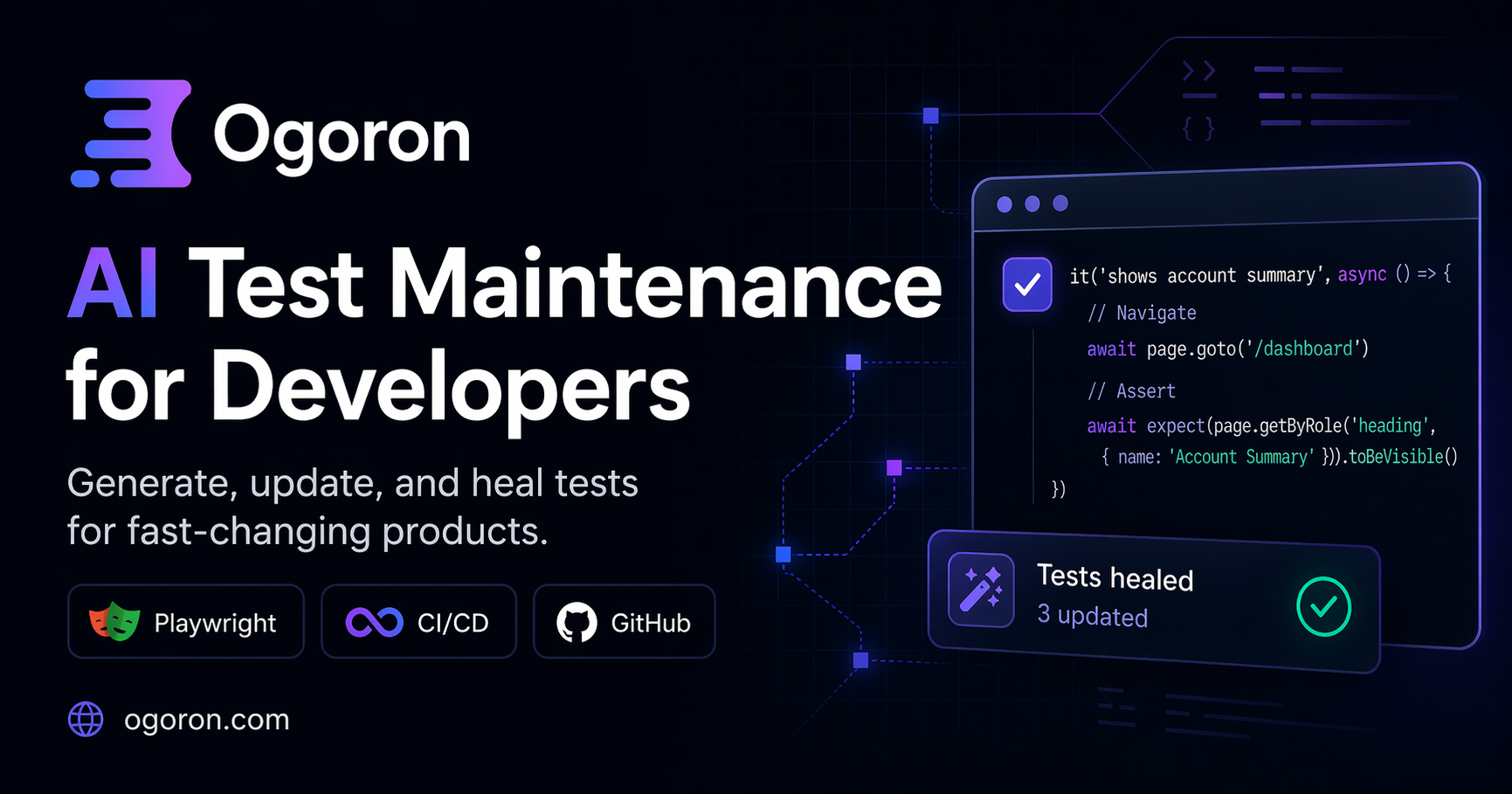
Autonomous test development and maintenance platform that analyzes code structure, UI behavior, and API contracts to generate and update tests continuously.
Code-first browser automation platform for AI agents that can navigate, interact with, and extract from websites using deterministic code or AI-driven browser control.
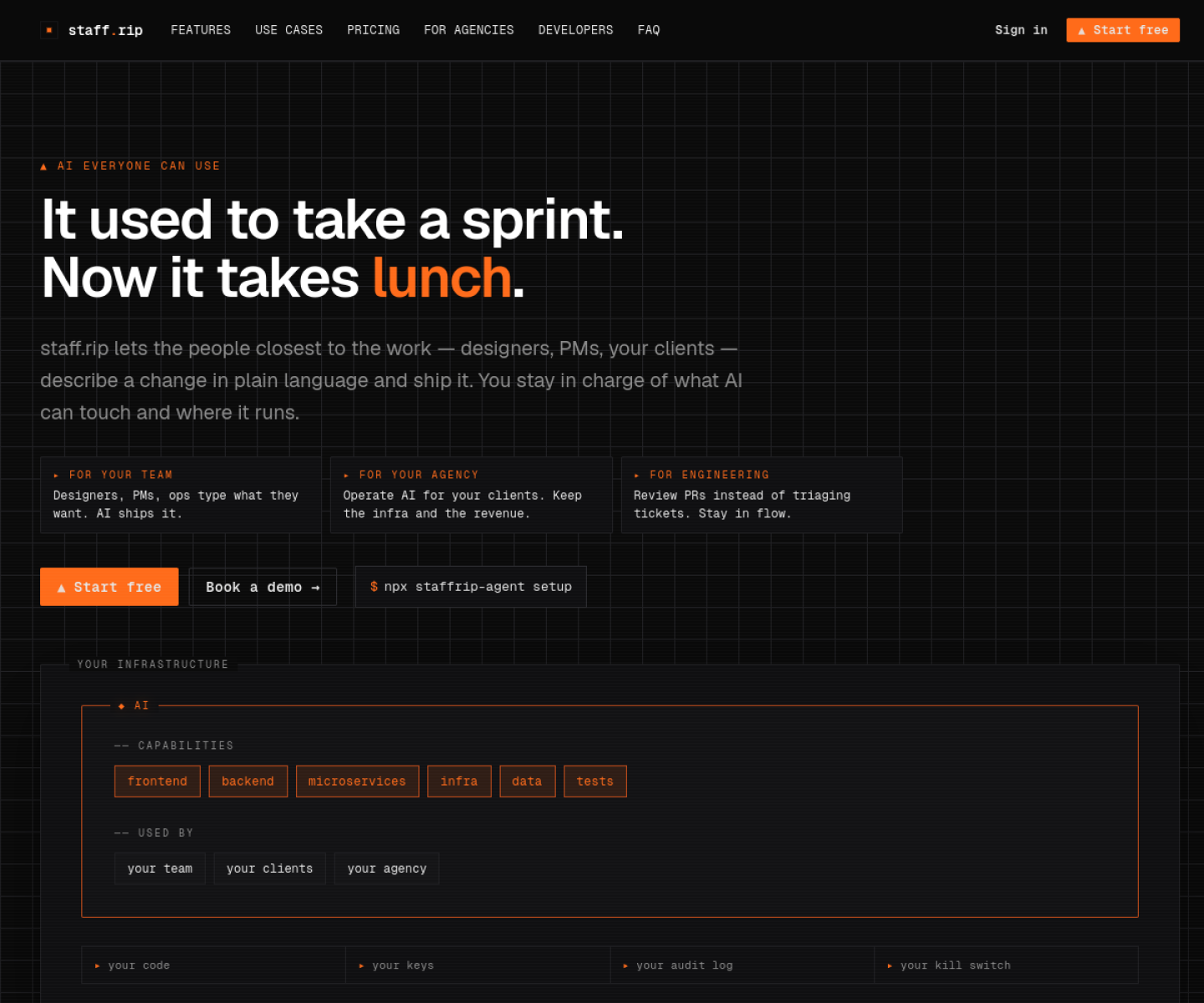
Chat-first AI software delivery layer that keeps agents running in infrastructure you control while non-engineers can request product changes through a simpler interface.
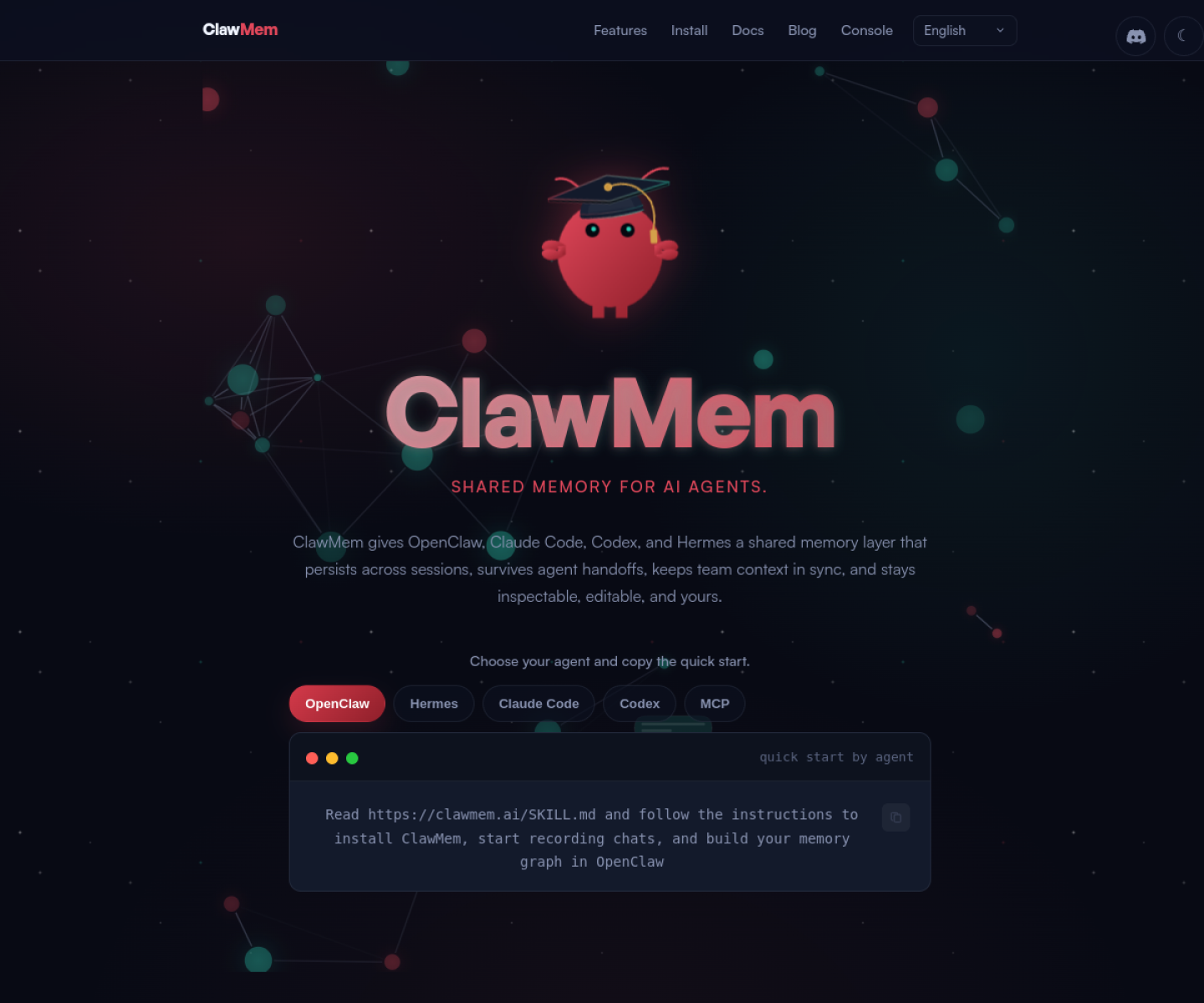
Shared memory layer for AI agents that keeps inspectable records across sessions and handoffs for tools such as Claude Code, Codex, Hermes, and OpenClaw.
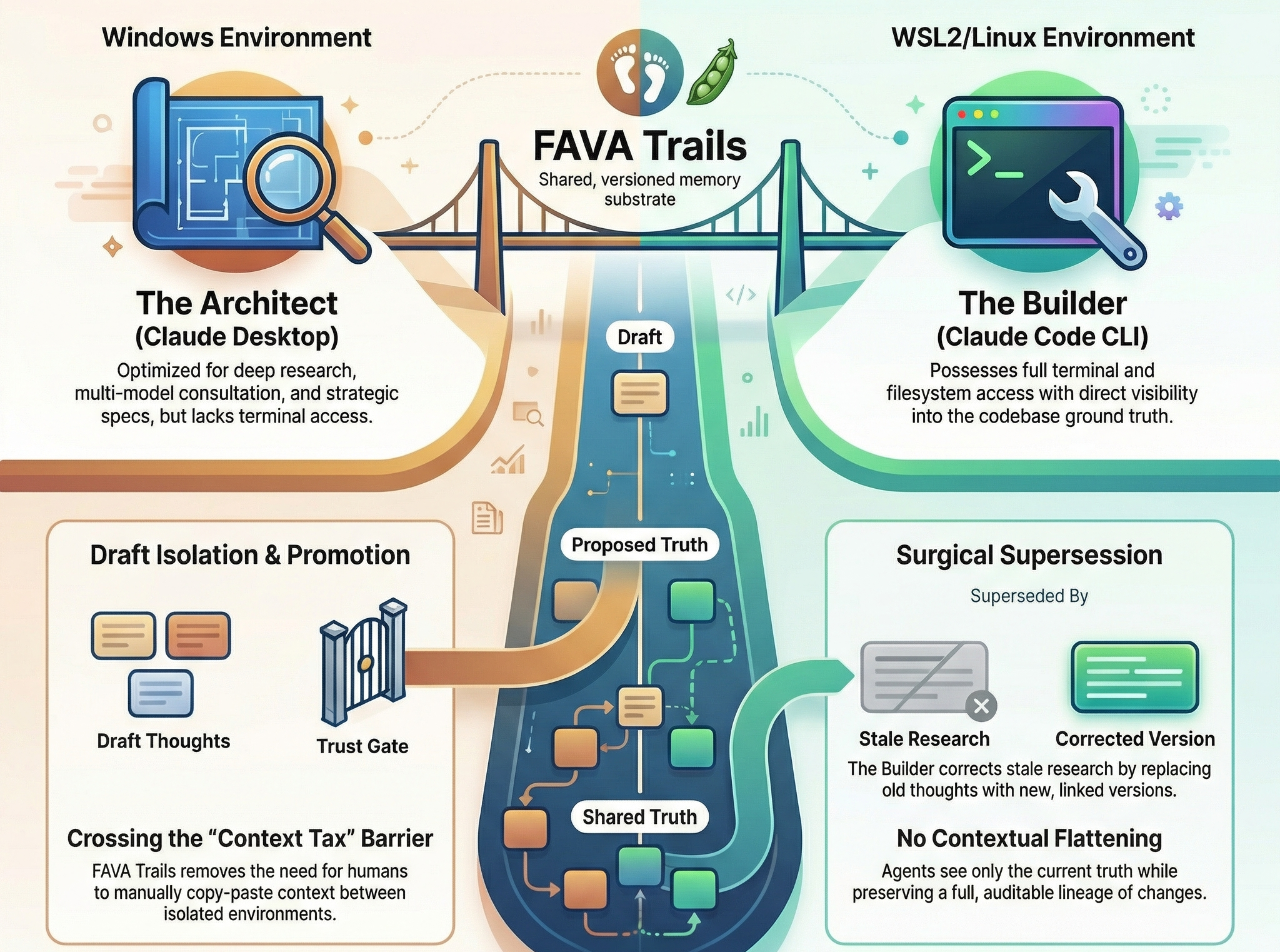
Curated agent-memory system that stores versioned memories in a Git-controlled repository, exposes them over MCP or CLI, and emphasizes promotion gates instead of saving every write as truth.
Terminal-first interface for Google Antigravity agents, built for multi-step coding work, subagents, tool calling, and conversation export into Antigravity 2.0.
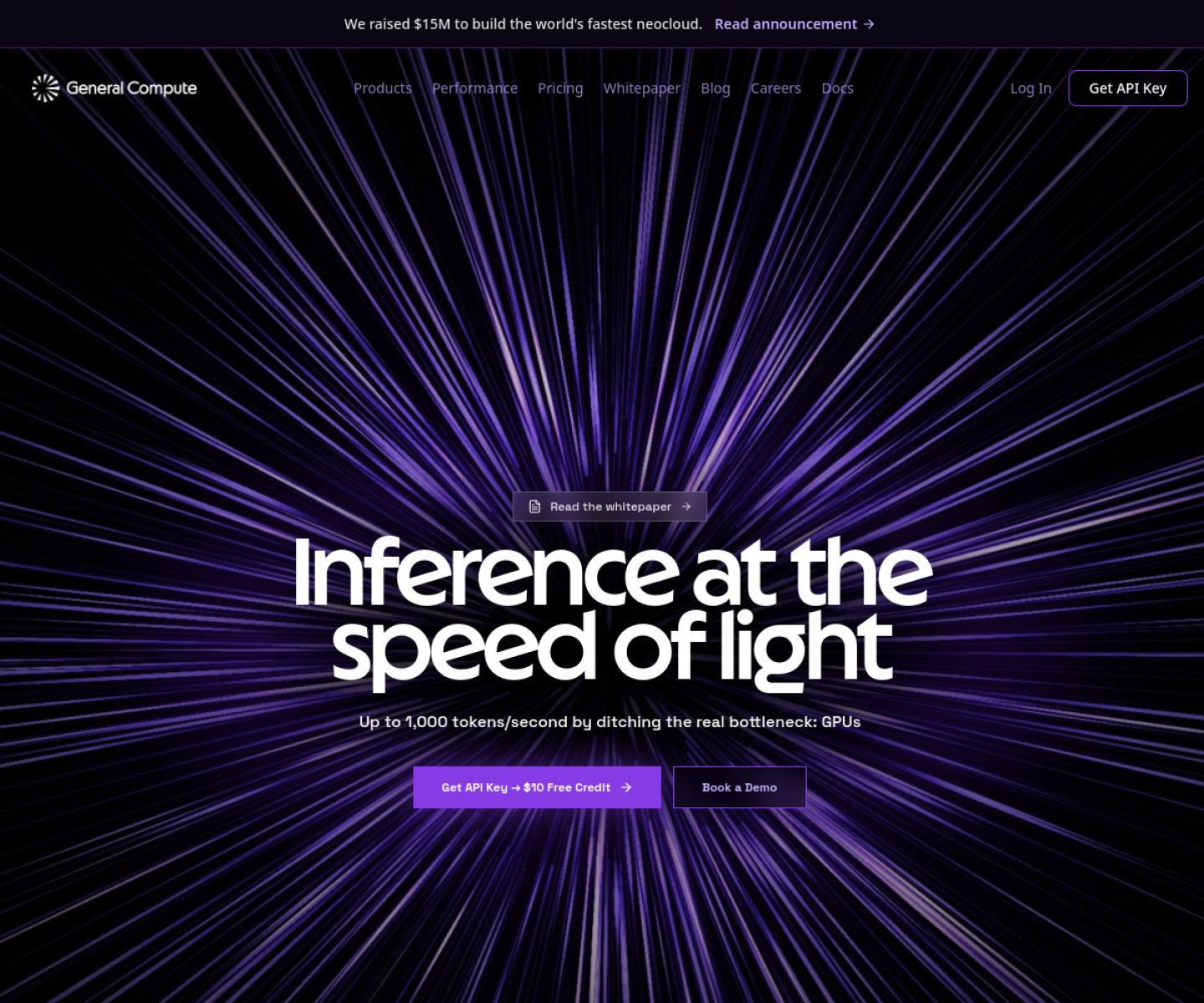
OpenAI-compatible inference platform built around purpose-built ASIC hardware for low-latency sequential workloads such as coding agents and interactive AI.
Agent gateway that compresses token-heavy coding-agent traffic, routes across model providers, and adds fallback and observability without changing application code.
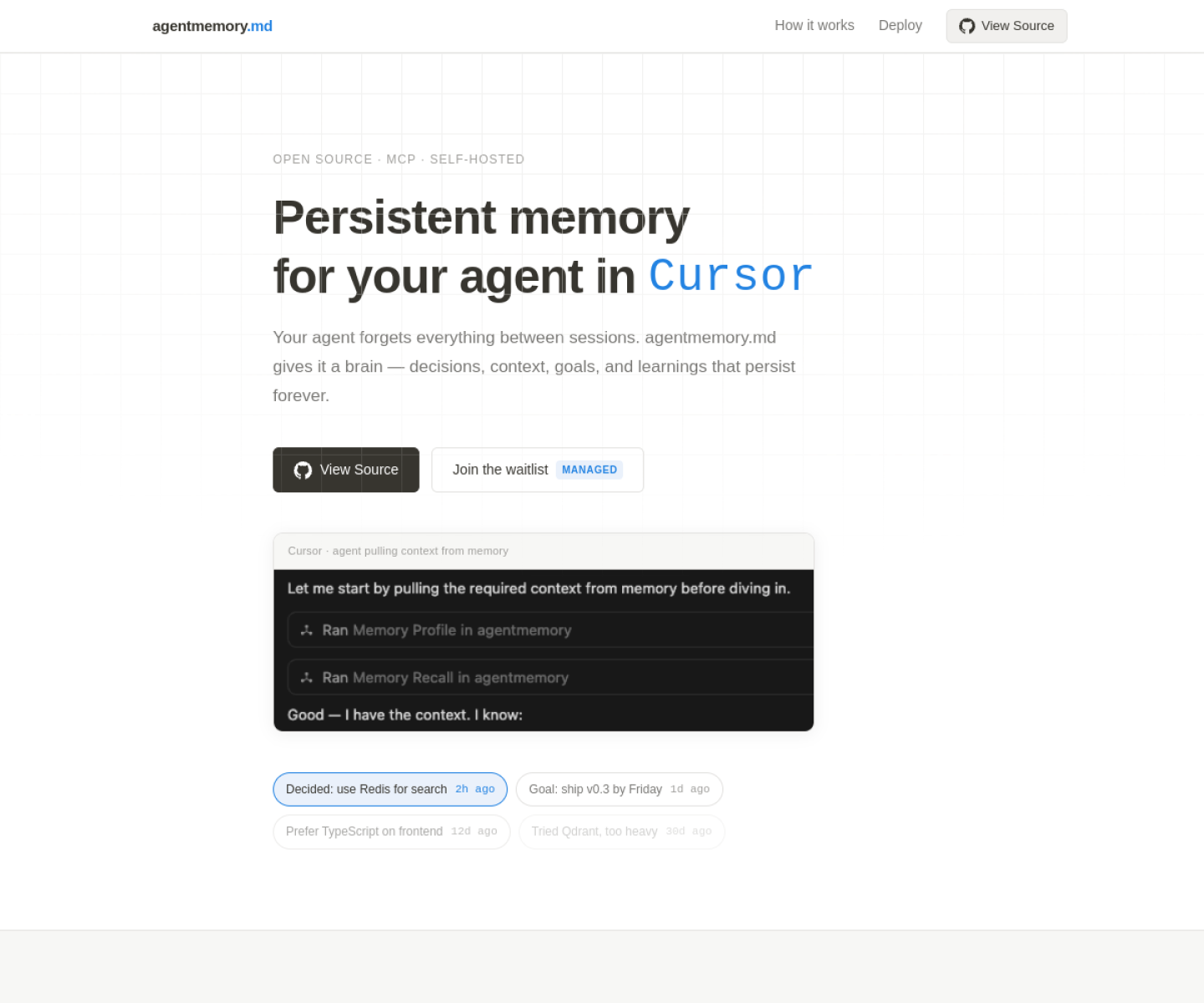
Self-hosted memory server for AI agents that stores decisions, goals, workflows, and relationships in a searchable graph-backed MCP layer.
AI backend platform that bundles per-project Postgres, RAG, agents, workflows, MCP support, and bring-your-own-key model access in one stack.
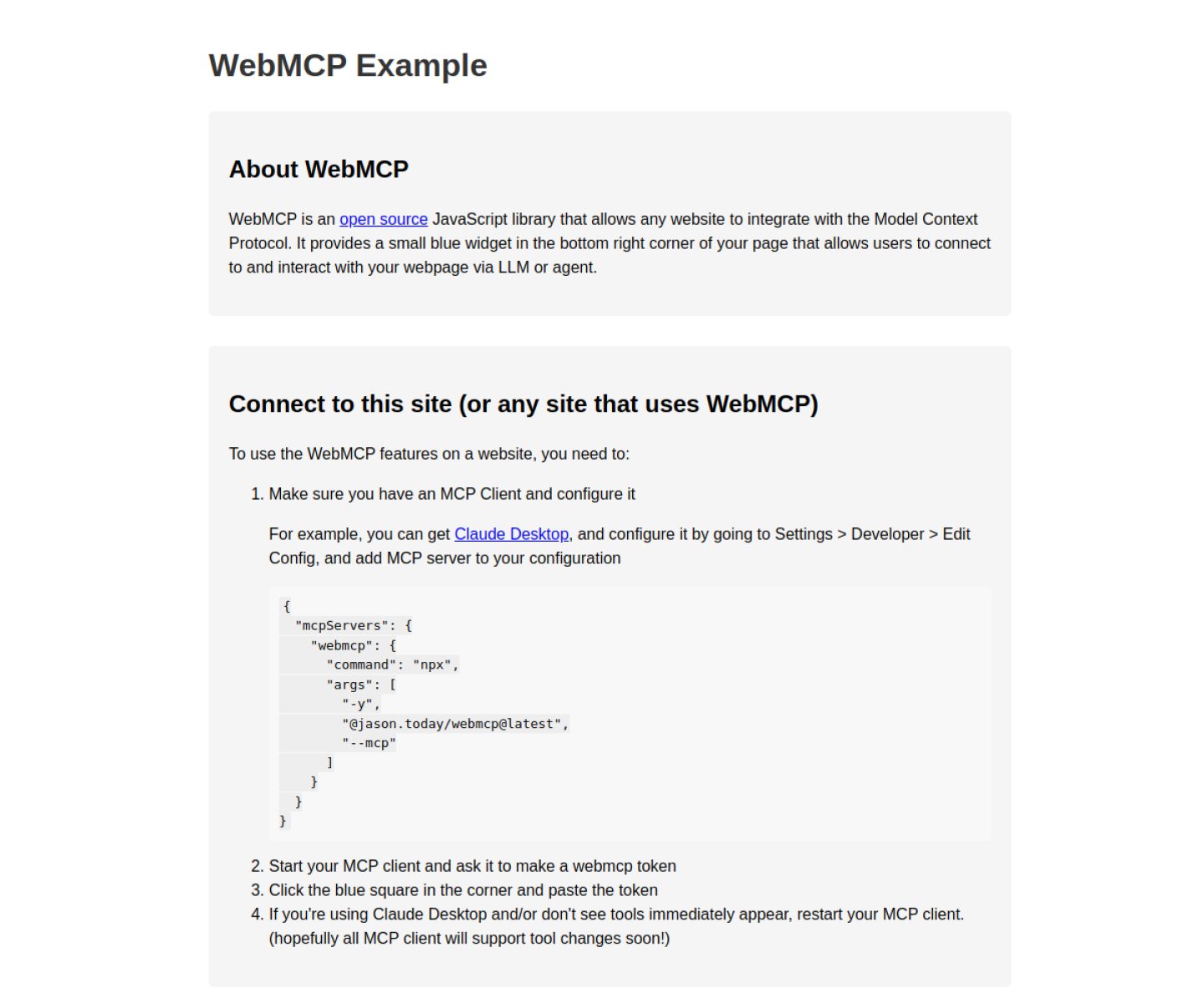
Open-source JavaScript library for exposing website actions, prompts, resources, and sampling hooks directly to MCP-capable AI agents.
Local memory app that records screens, browser activity, and agent transcripts, then serves the relevant context back to coding agents over MCP.
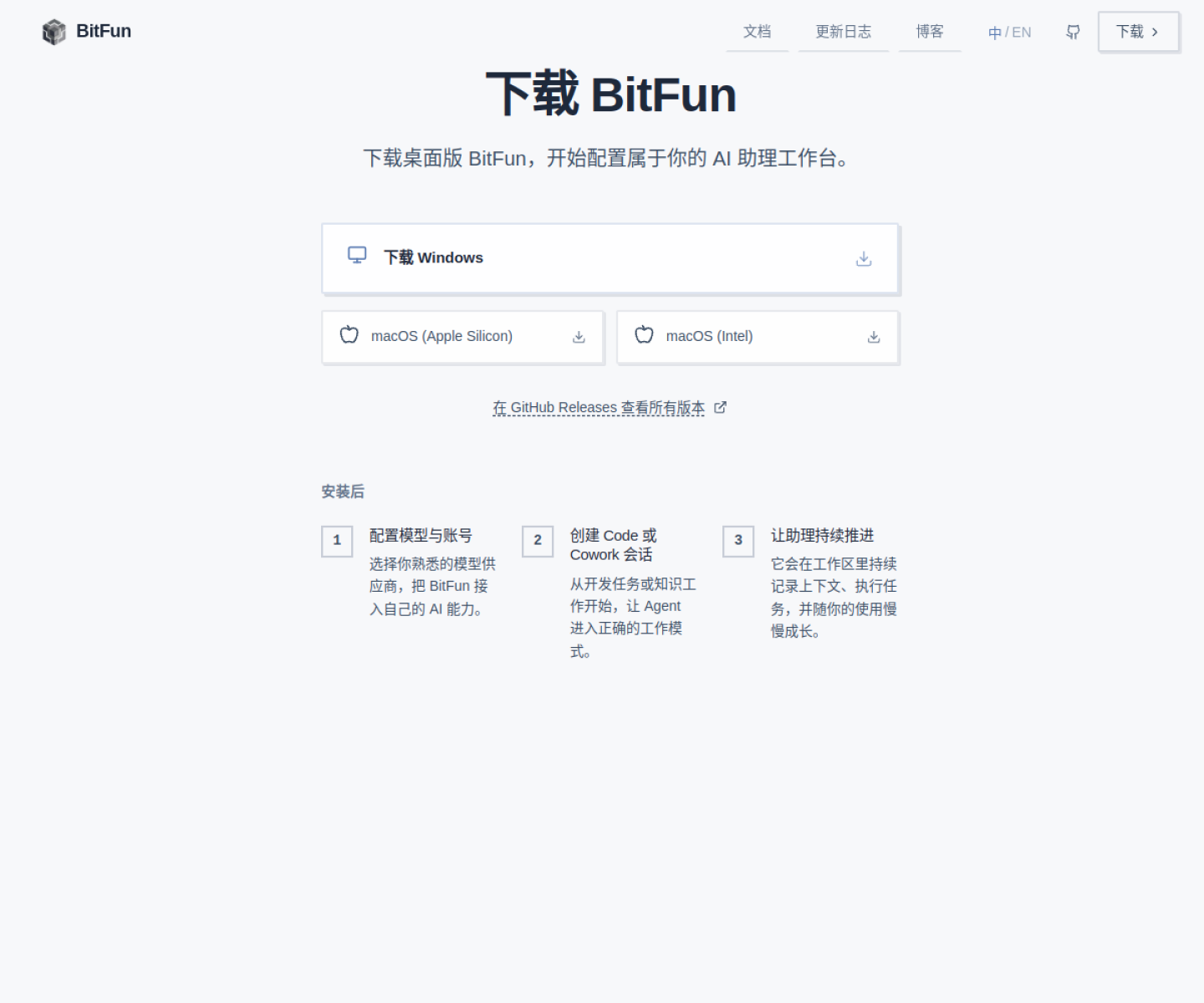
Open-source agentic development environment built in Rust and TypeScript, centered on a persistent assistant with memory plus code and cowork agents that can be extended with skills and MCP.
Local control center that lets Codex, Claude, and related tools drive logged-in web AI sessions through MCP, including hidden or visible tabs and local file exchange.
Bug-reporting platform with an MCP server that lets AI agents load context-rich BetterBugs reports, including screenshots, logs, network requests, and reproduction details.
Unified API gateway for AI agents that exposes a catalog of external tools behind one key, with MCP support, BYOK credential storage, and request tracing.
Teaching-first AI IDE that combines code generation with an explanation layer so developers can build with AI without treating the generated code as a black box.
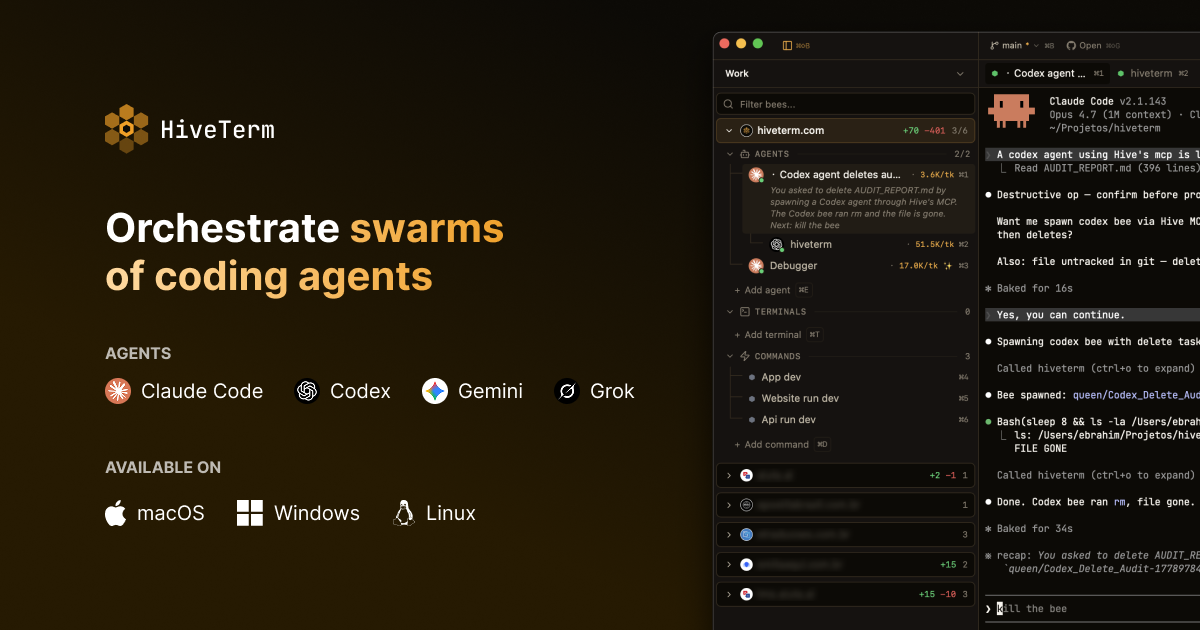
Desktop terminal workspace for running several coding agents and dev processes side by side, with hive.yml-driven orchestration and a built-in MCP server for sub-agents.
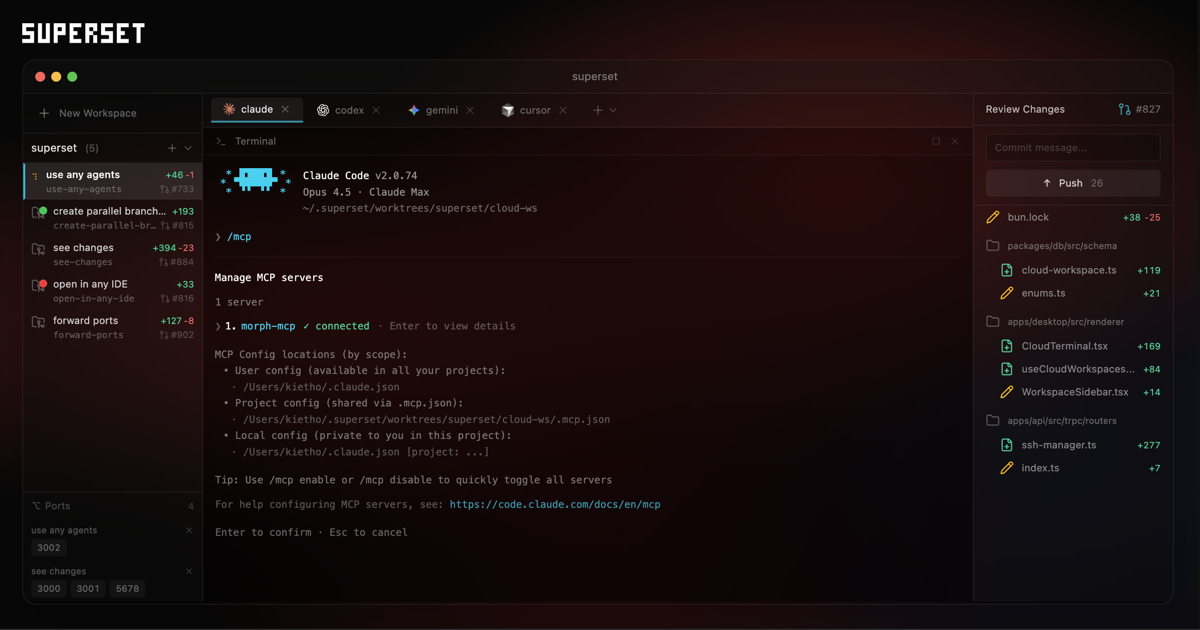
Open-source dashboard and orchestration layer for running many coding agents in parallel across issues, branches, CI feedback, and review loops.
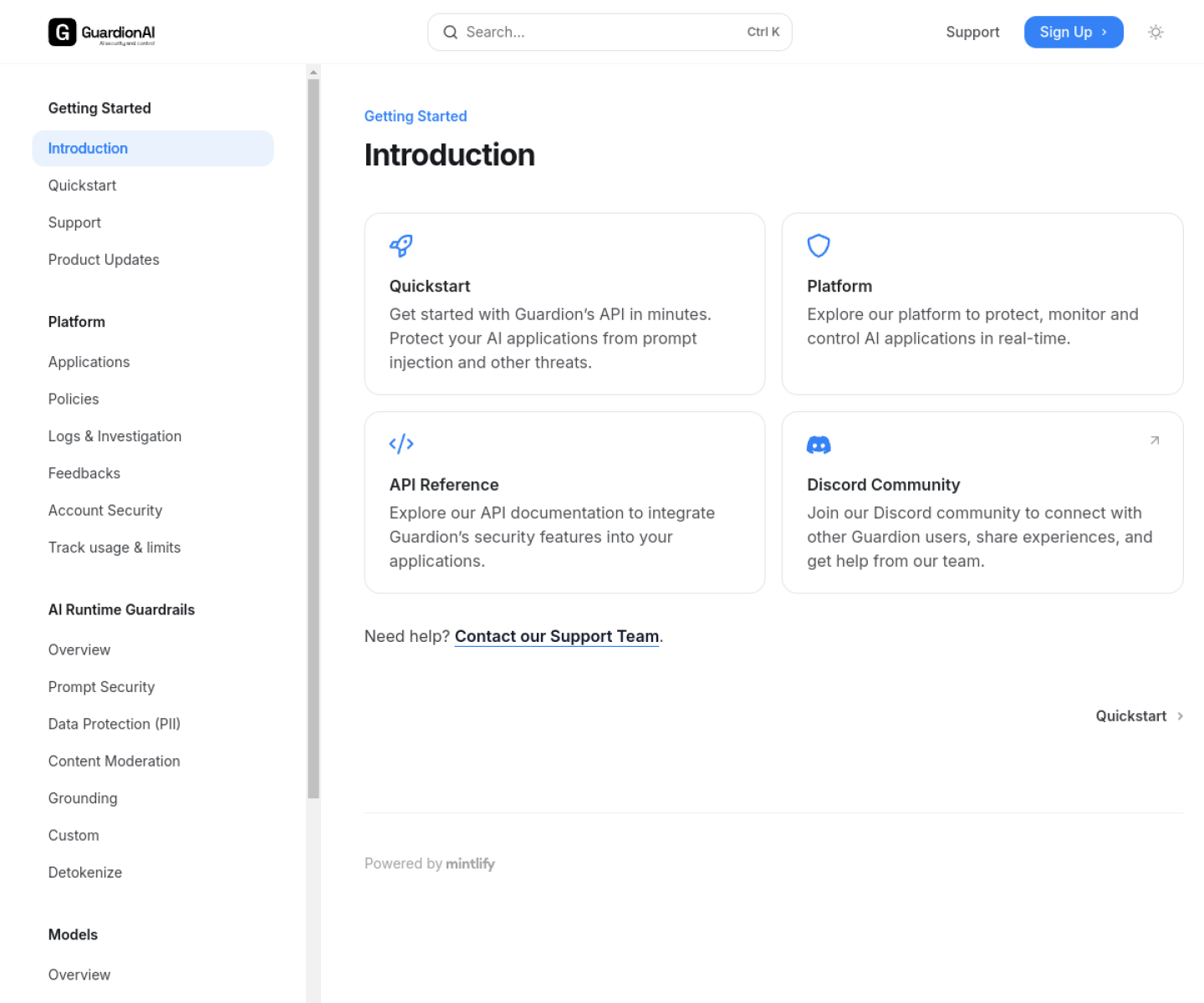
Security gateway for AI agents and MCP tools that inspects traffic, redacts sensitive data, enforces policies, and traces agent actions in real time.
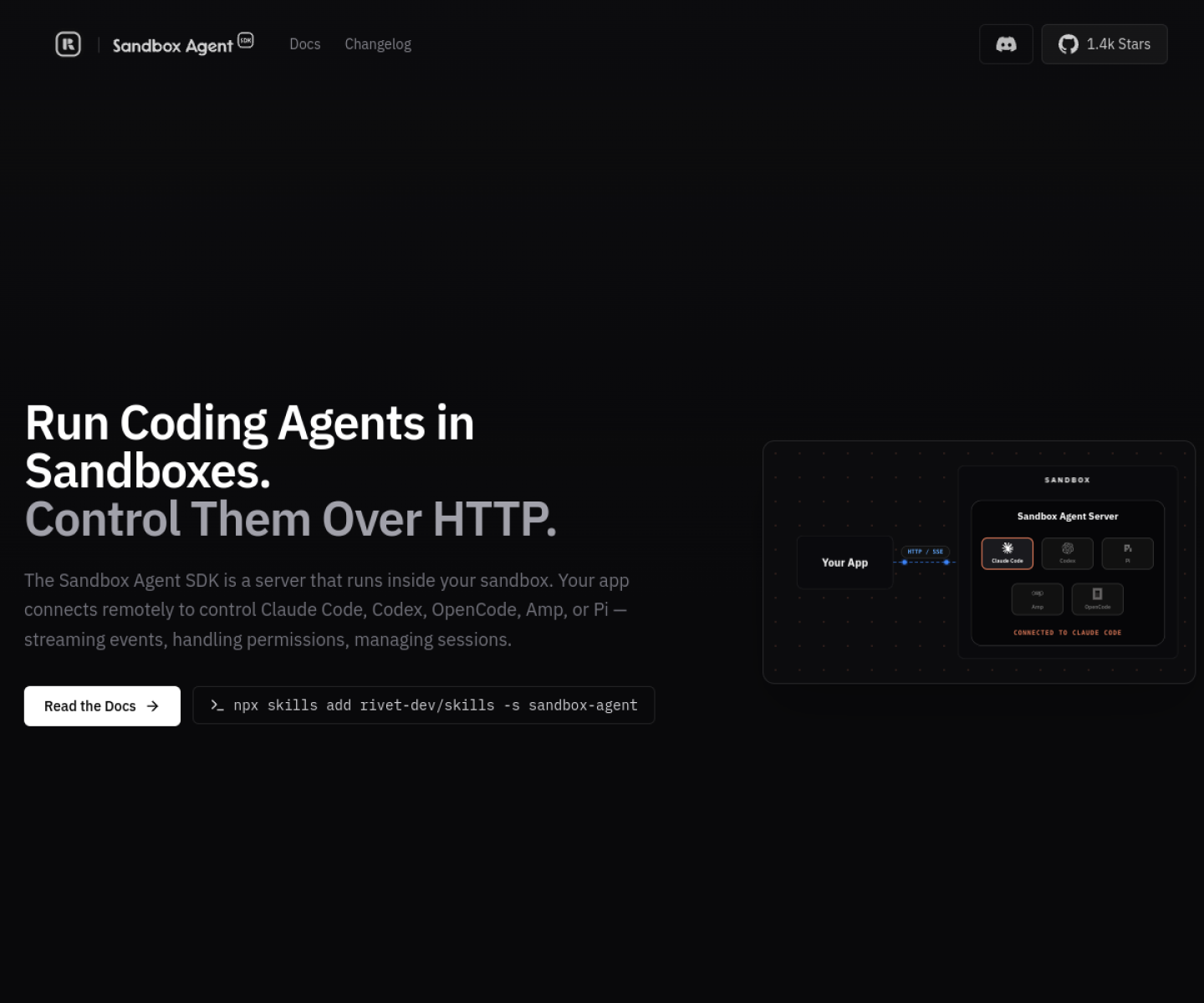
Open-source server and SDK that run coding agents inside sandboxes and expose one HTTP and event layer across tools like Codex, Claude Code, OpenCode, Amp, and Pi.
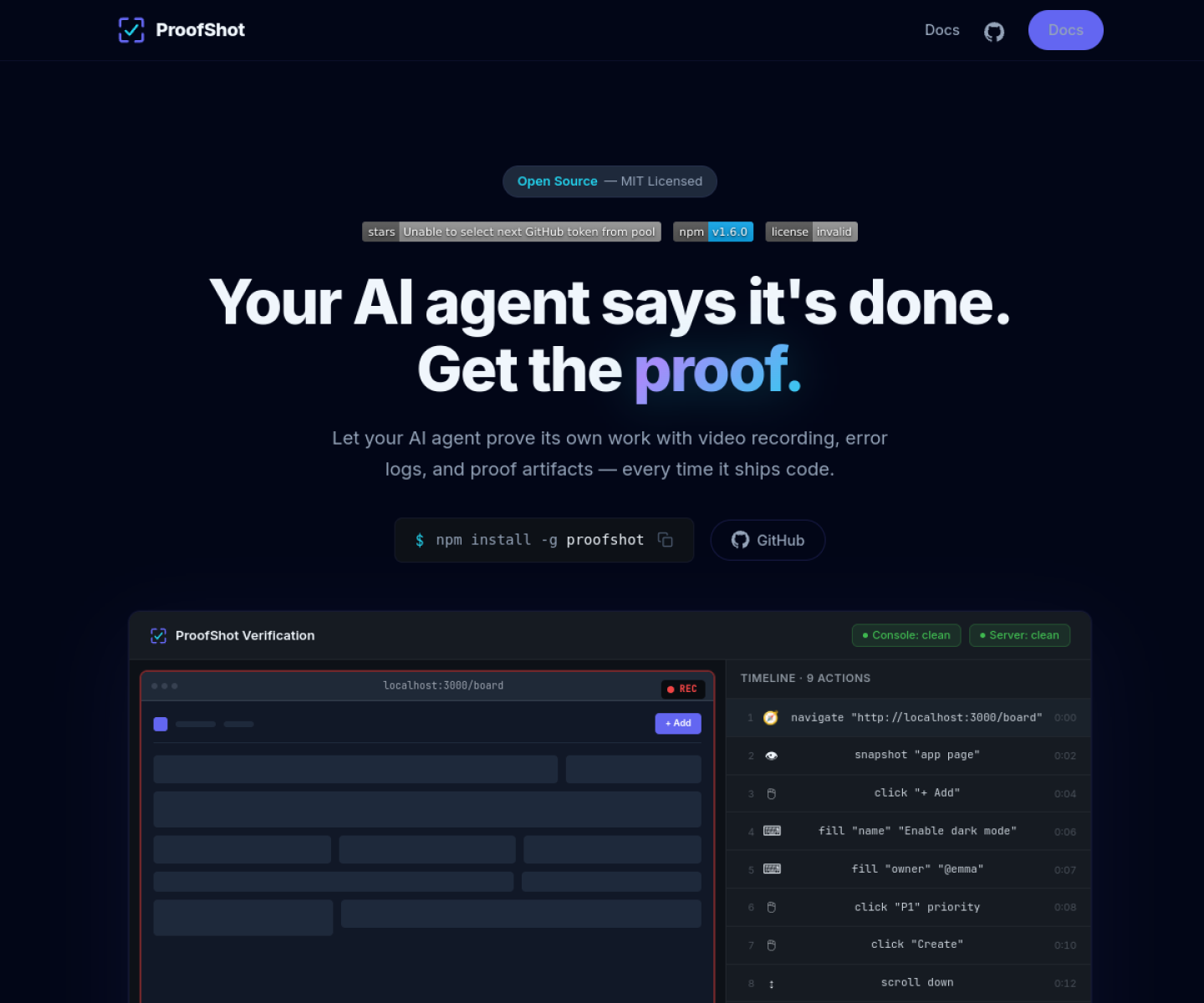
Agent-agnostic verification CLI that lets coding agents interact with a real browser, capture evidence, and output a reviewable proof bundle with screenshots, video, and logs.
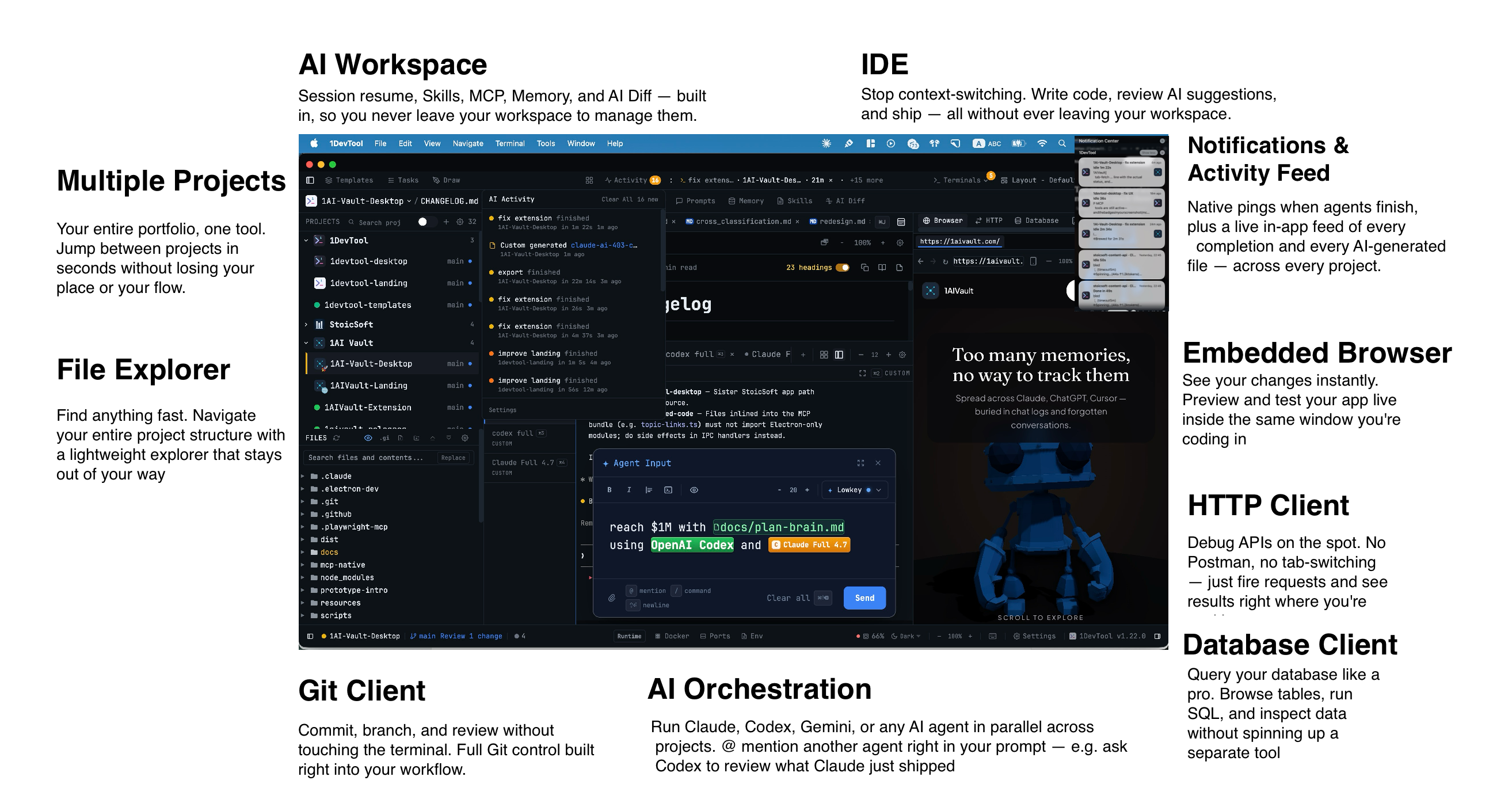
All-in-one developer workspace that runs AI coding agents beside built-in browser, database, Git, HTTP, Docker, and project-management panels in a single desktop app.
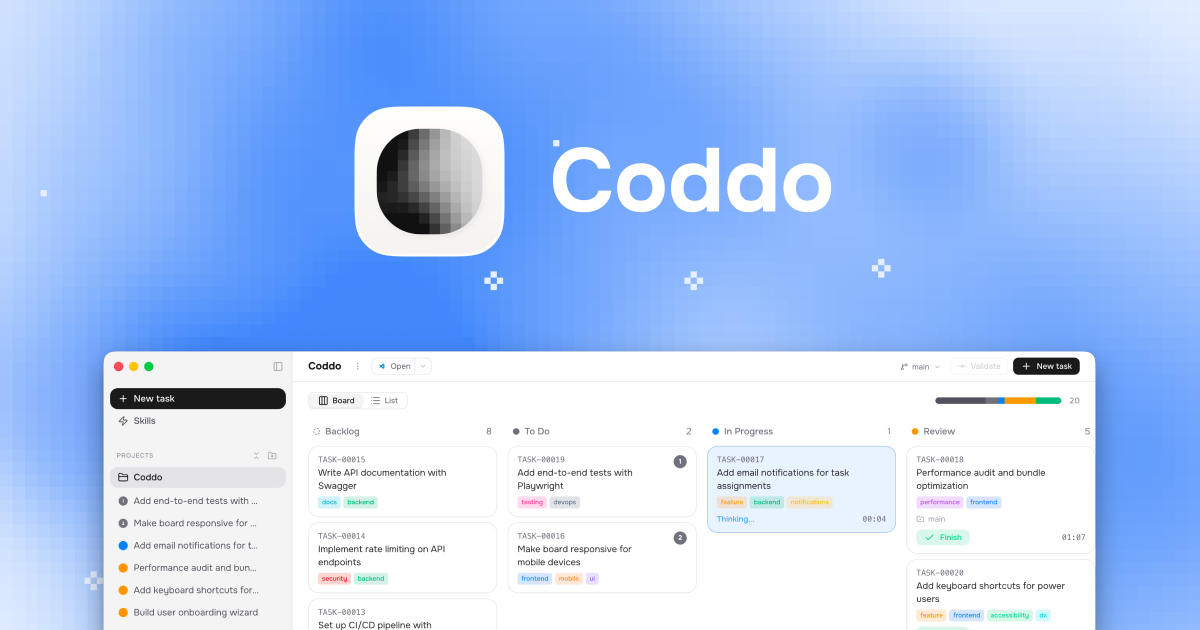
Desktop interface for Claude Code and Codex that replaces the raw terminal with chat, Kanban task tracking, Git actions, and built-in voice dictation.
Spec-driven desktop workspace that coordinates specialized coding agents around a shared source-of-truth spec instead of a loose terminal conversation.
Rule-management layer for AI coding agents that centralizes engineering standards, injects relevant context into each task, and validates plans or code against those rules.
Unified execution layer for AI that combines infrastructure, persistent compute, LLM orchestration, agent deployment, and distribution surfaces such as templates and an app store.
Agent-native backend platform that gives coding agents a structured MCP-aware surface for databases, deployment, auth, storage, and other backend operations.
Product agent that connects to a codebase, auto-instruments product flows, flags usability issues and regressions, and proposes fixes without relying on manual event tagging.
Persistent repo-memory layer for coding agents that anchors lessons, rules, and gotchas to files or symbols so relevant context resurfaces before future edits.
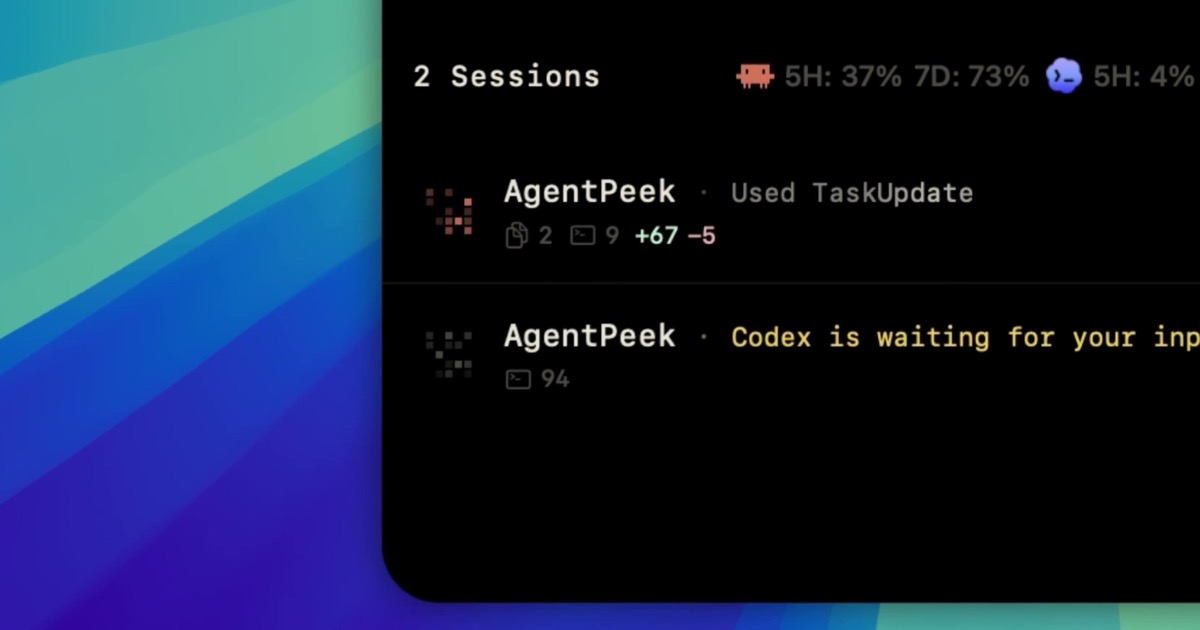
Native macOS utility that surfaces Codex and Claude Code session state in the notch or menu bar, including token usage, tool history, local servers, and pending permissions.
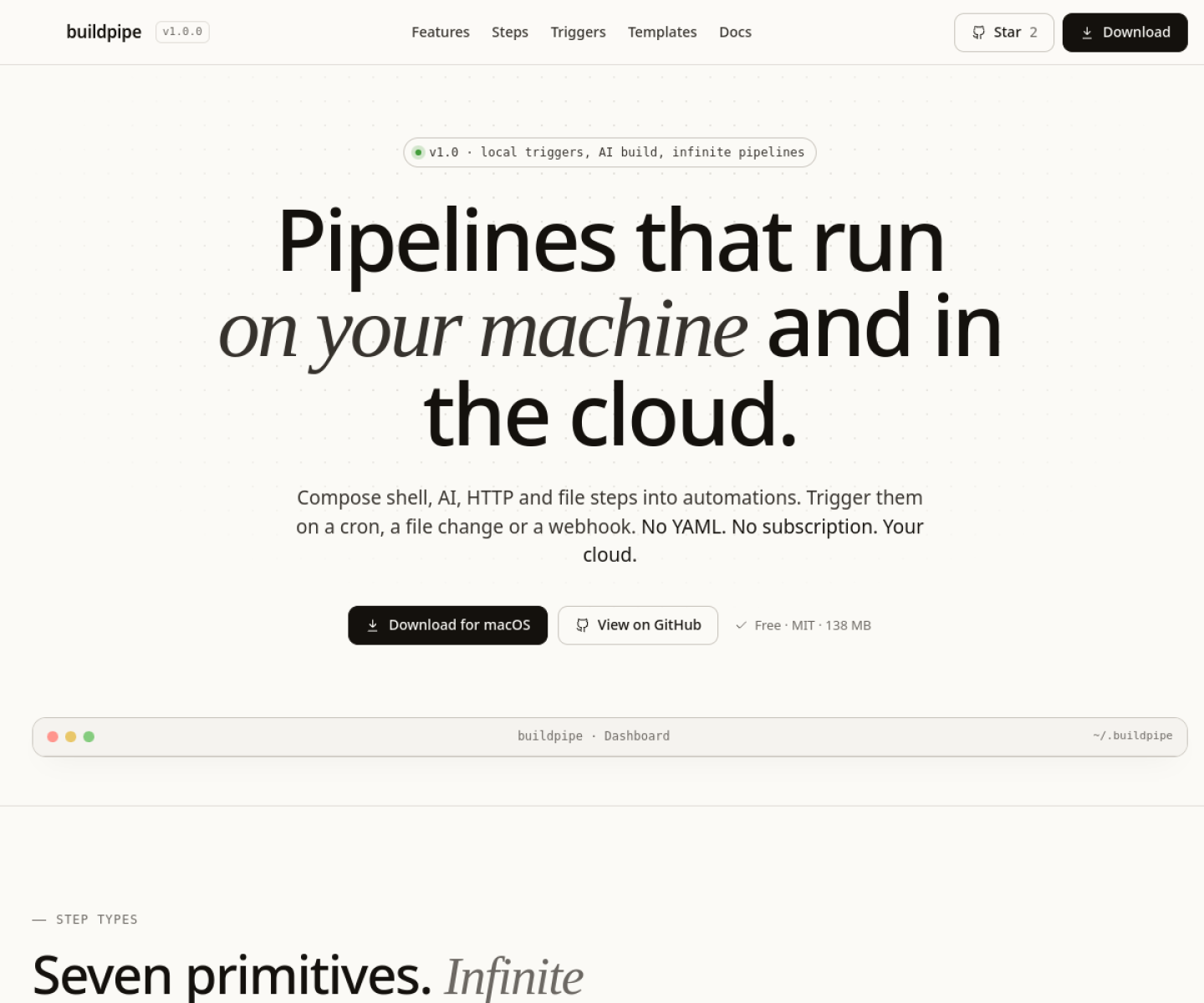
Local-first desktop automation builder that combines shell, AI, HTTP, file, conditional, loop, and notification steps into typed pipelines with local triggers or webhooks.
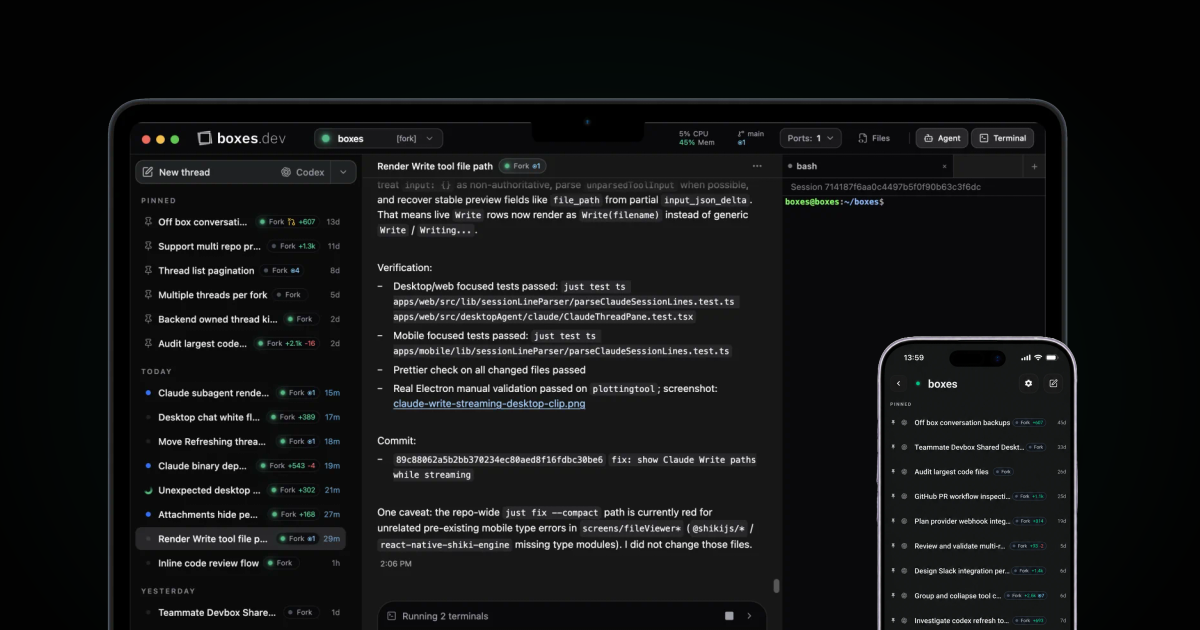
Cloud devbox platform that gives each Codex or Claude Code thread its own isolated machine so agent work can keep running away from the laptop.
AI app-building platform that provisions a private development machine, generates production-oriented web apps from prompts, and handles deployment, hosting, and template bootstrapping.
Google's terminal-first agent surface for Antigravity, built around lightweight local use, background subagents, shared agent settings, and plugin or MCP extensibility.
Browser-to-agent bridge that captures exact DOM nodes, visual state, and annotations from a live frontend and sends that context into a local AI workspace over MCP.
Terminal coding agent that re-baselines against current open-weight models and emphasizes more coding usage per dollar without locking users to one model family.
Package manager and registry for agent skills that evaluates, versions, secures, and distributes reusable instructions for coding agents.
Local-first AI coding platform that runs many CLI agents in parallel across isolated workspaces and can also act as a desktop IDE, CLI, or MCP server.
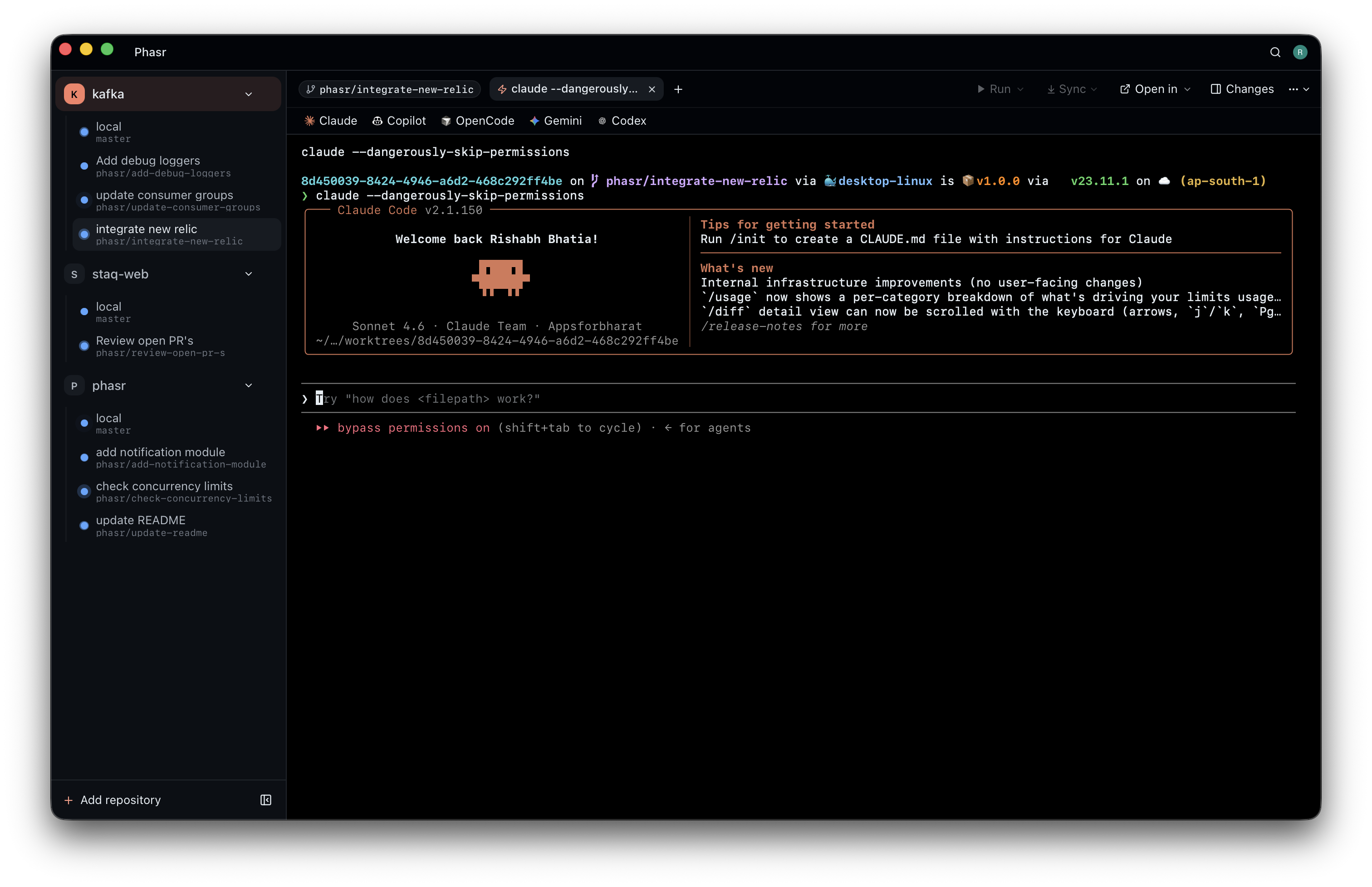
Open-source desktop workspace for running AI coding agents in parallel with isolated Git worktrees and review-first merge controls.
Local-first multi-agent workspace that turns coding agents into a coordinated crew with role-specific models, persistent skills, and per-project memory.
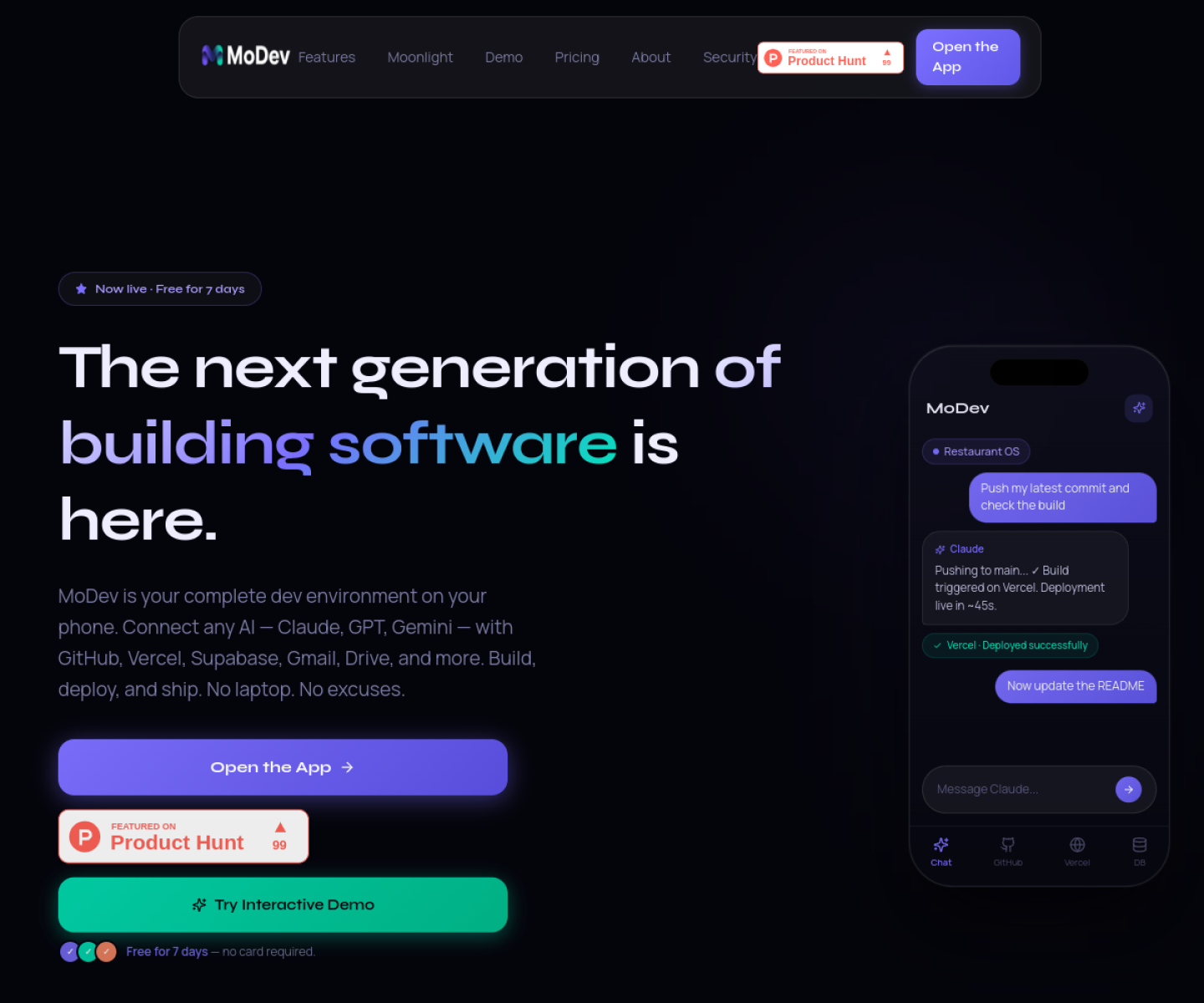
Mobile-first AI development environment that connects models like Claude, GPT, and Gemini to GitHub, Vercel, Supabase, and other developer systems from a phone.
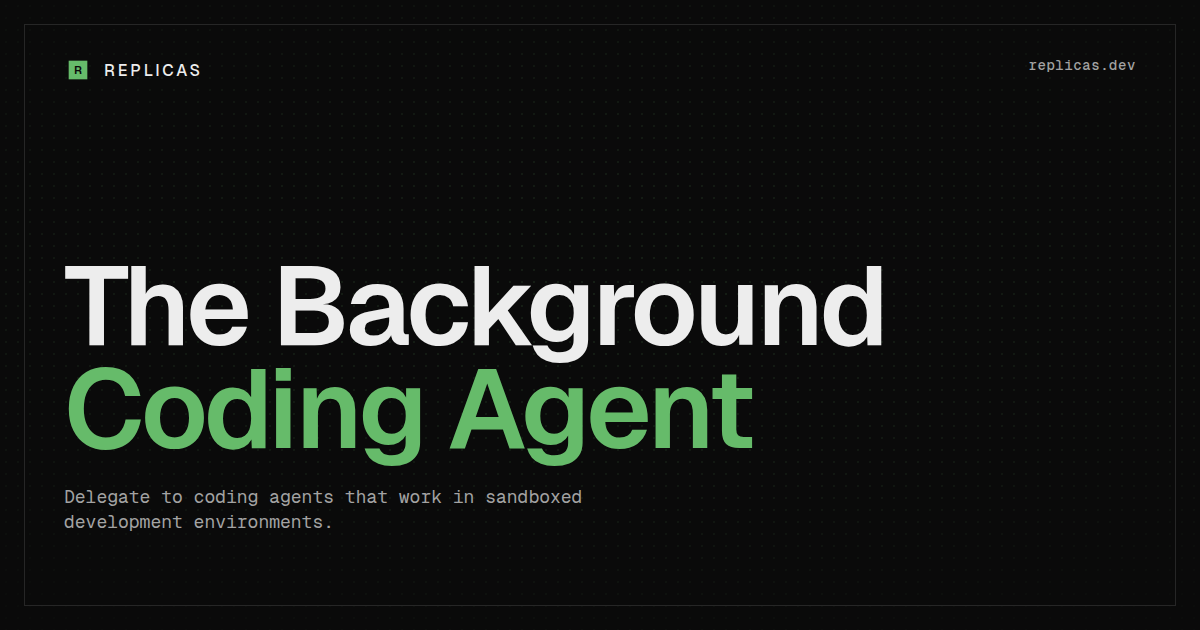
Background coding-agent platform that runs Claude Code, Codex, and similar agents inside isolated cloud workspaces with issue, PR, and automation hooks.
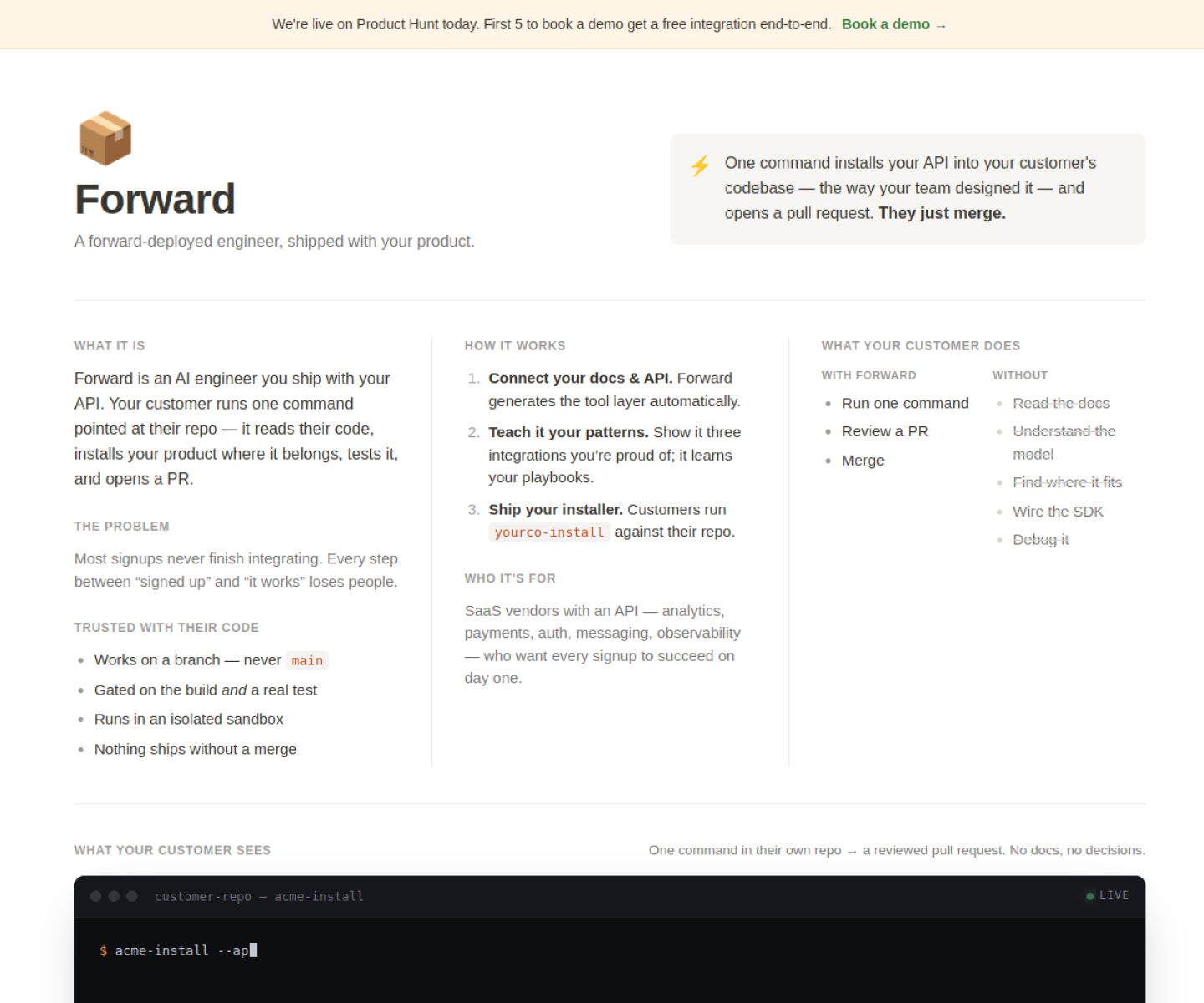
AI integration installer that lets API vendors ship a one-command setup flow which edits a customer repository, runs tests, and opens a pull request.
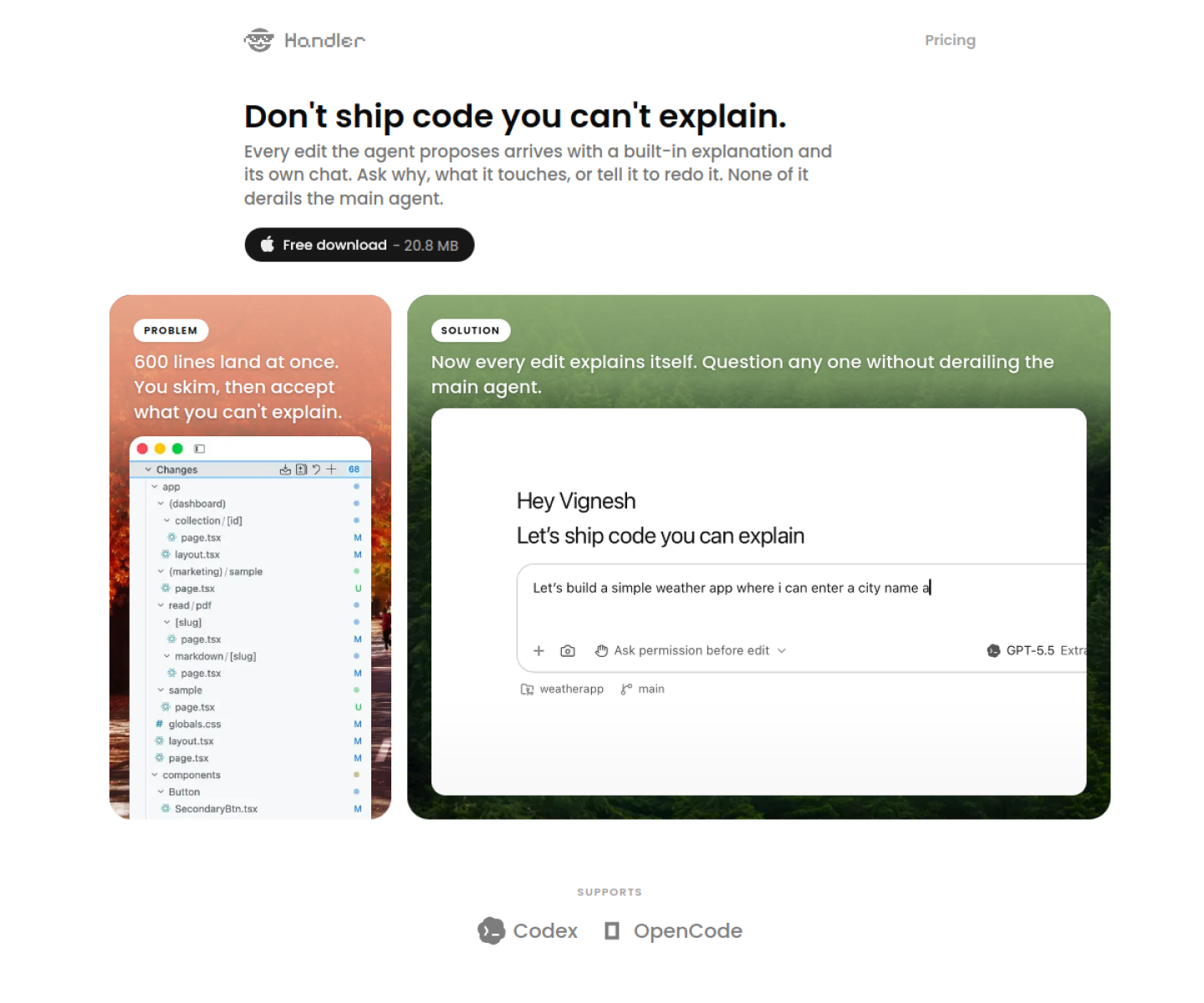
Mac app that breaks AI-generated code into reviewable edits with per-edit explanations and side chats before the diff becomes too large to inspect.
Open-source CLI coding agent built around lean context handling, multi-provider model support, and skill-driven MCP workflows.
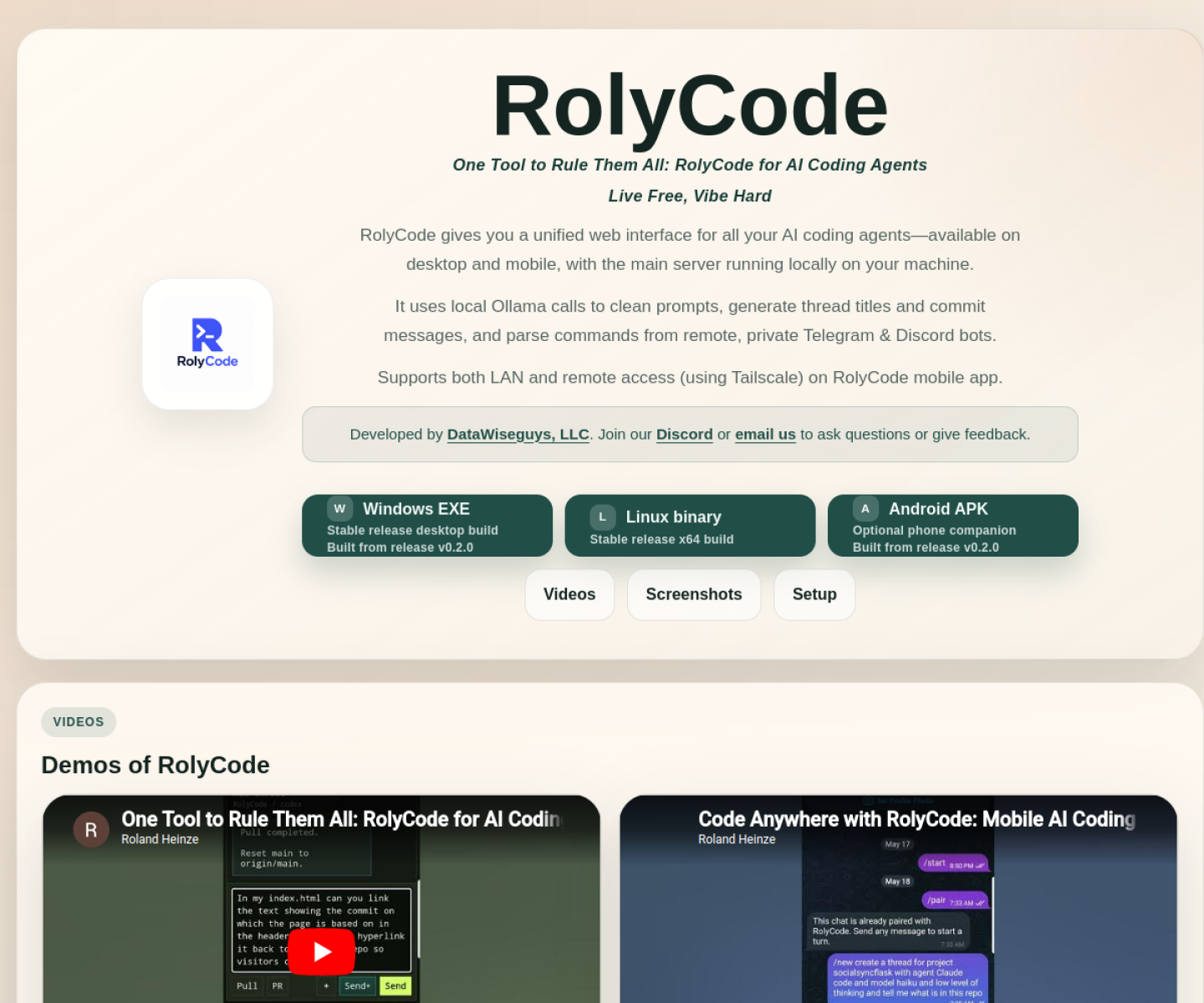
Unified web interface for multiple AI coding agents, with a local backend plus desktop, mobile, Telegram, and Discord access paths.
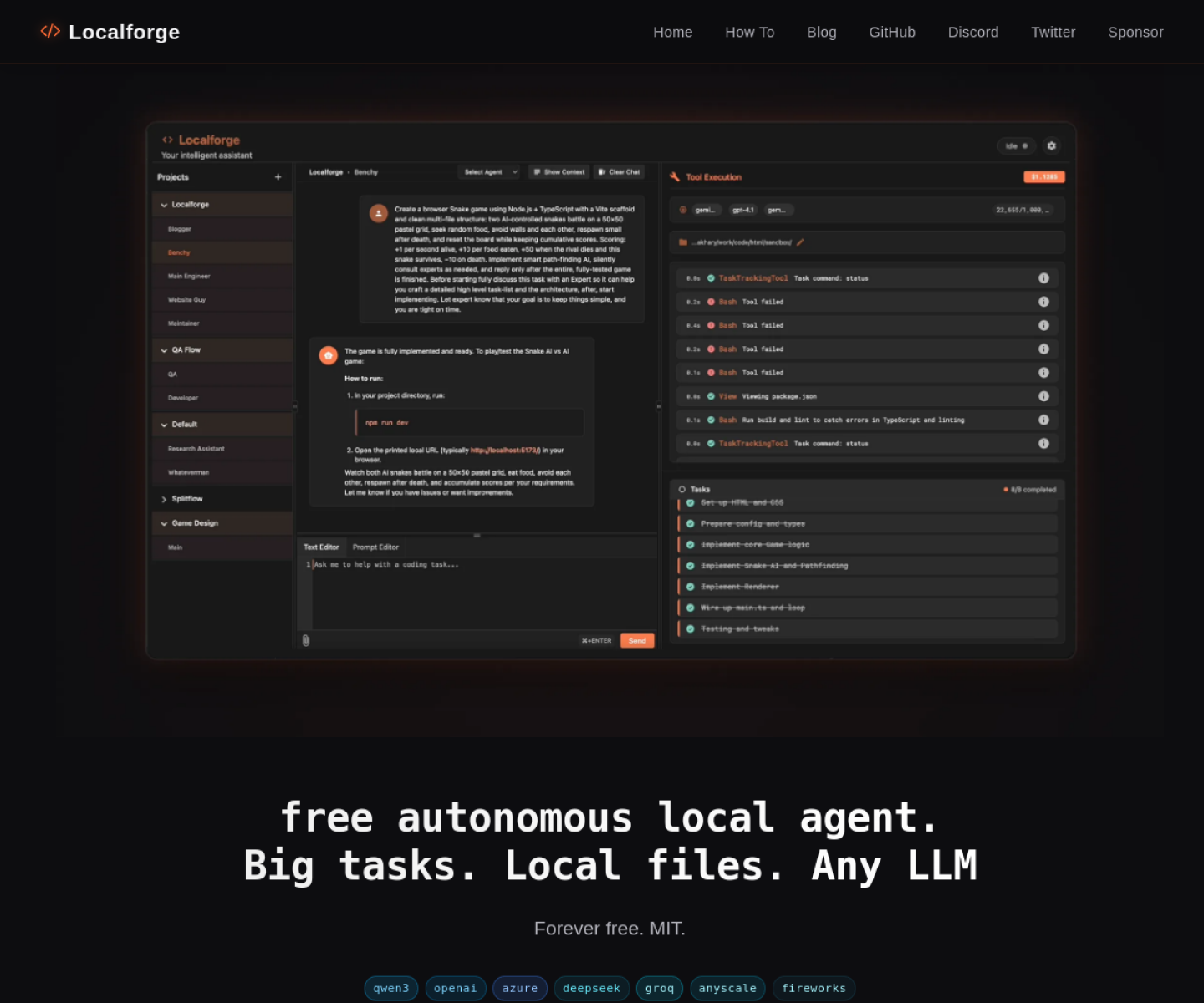
Local desktop coding agent with a GUI that runs on your own machine and works with Codex, Claude-compatible models, and other LLM backends.
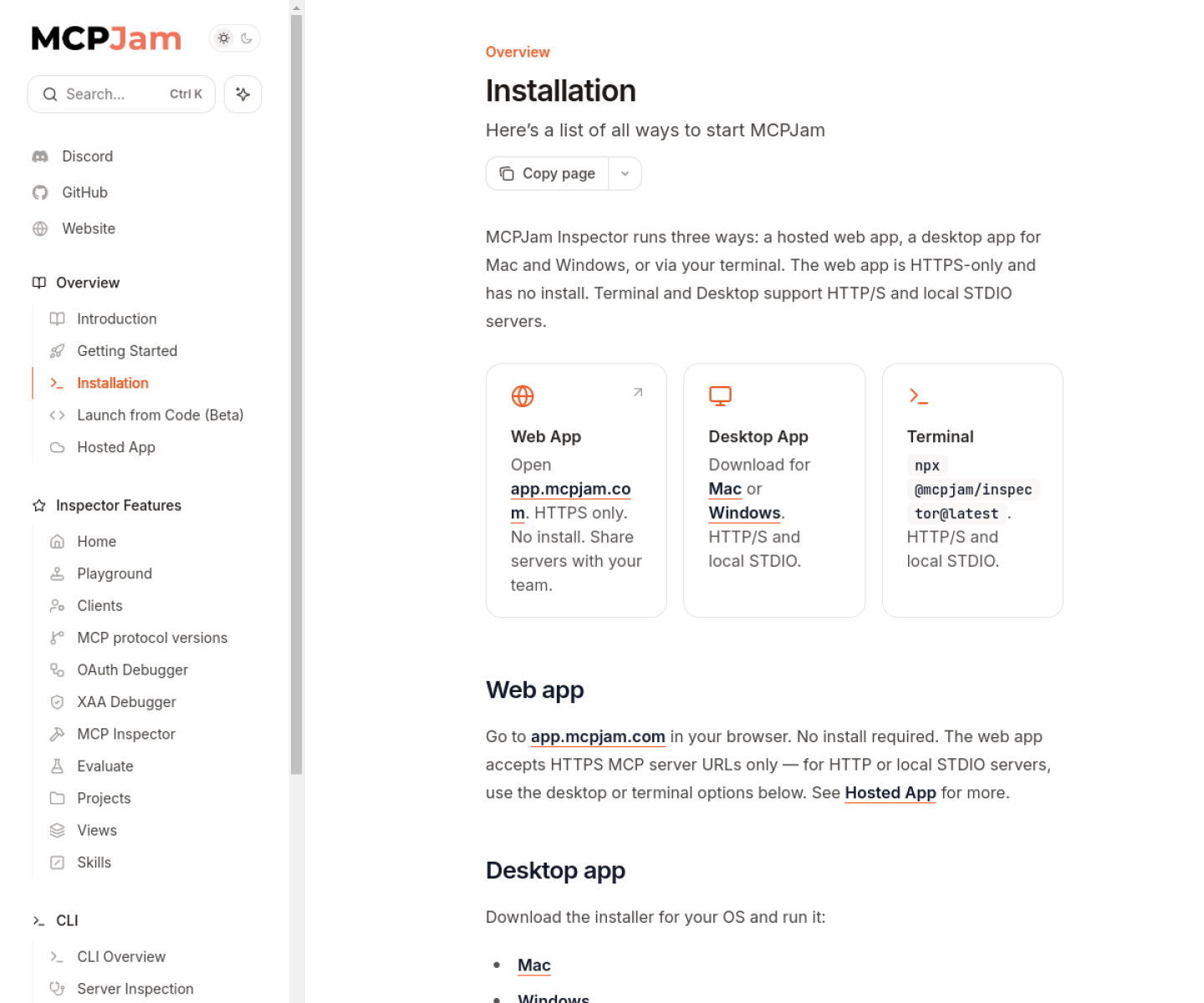
Testing and debugging platform for MCP servers and OpenAI app workflows, with desktop, terminal, Docker, and hosted entry points.
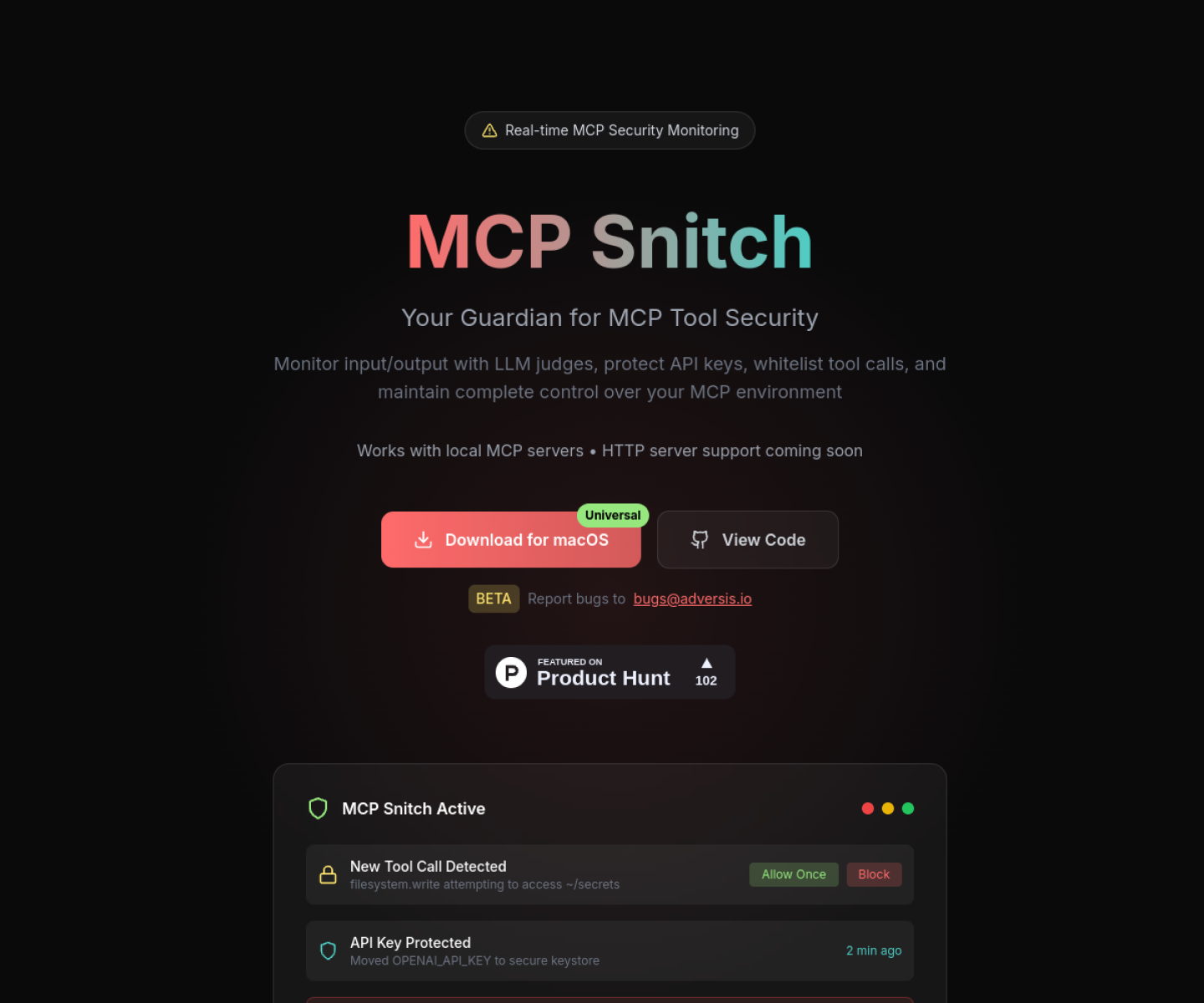
Security monitor for MCP environments that adds tool-call oversight, allowlists, and audit visibility around what connected agents are doing.
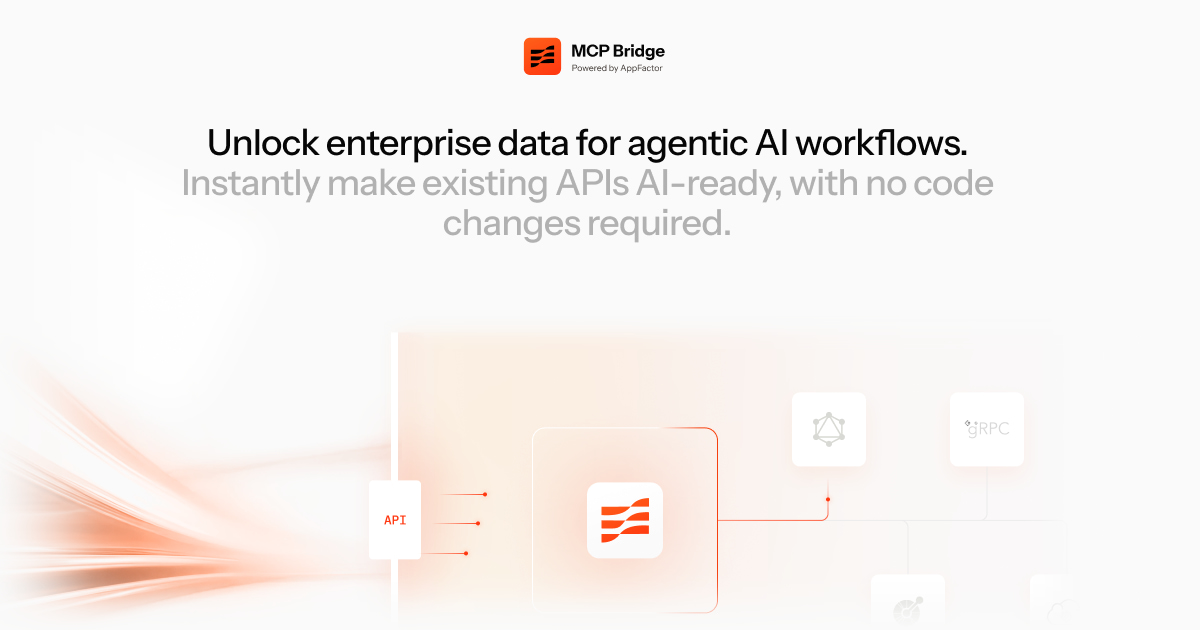
Self-hosted bridge that turns REST, GraphQL, SOAP, and gRPC APIs into MCP tools so AI agents can call enterprise systems without hand-written adapters.
Claude Code plugin that aims to reduce token waste, improve speed, and raise task performance without asking developers to switch away from their existing Claude Code workflow.
Open-source MCP proxy that hides most tool definitions until they are needed, reducing prompt bloat for agents connected to large tool catalogs.
OpenAI-compatible LLM proxy for makers and small teams that adds per-session cost visibility, prompt clustering, and spend analysis across model providers.
MCP-based guardrail for coding agents focused on protecting product analytics and growth instrumentation before agent-written changes land.
Shared network for agent memory, skills, MCP servers, and write-backs, designed so agents do not search and learn in isolation.
Visual MCP platform for turning REST APIs into MCP tools with a local-first builder, live logs, and deployable SSE endpoints.
Research API and web-extraction toolkit for AI products that need live cited answers or browser automation without building retrieval infrastructure from scratch.
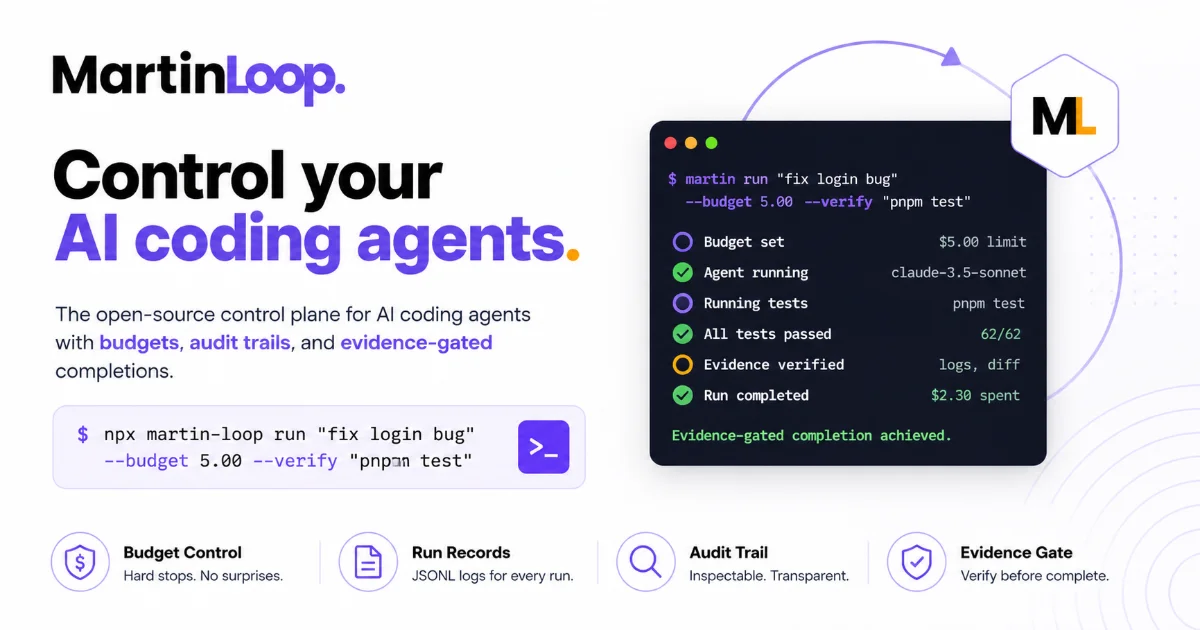
Open-source governed runtime for AI coding agents that adds budgets, verification, and run receipts before agent loops spiral.
Visual feedback layer for AI coding agents that turns UI annotations into structured, agent-readable implementation context.
Decision runtime and evaluation layer for enterprise AI agents that checks proposed actions against deterministic rules before execution.
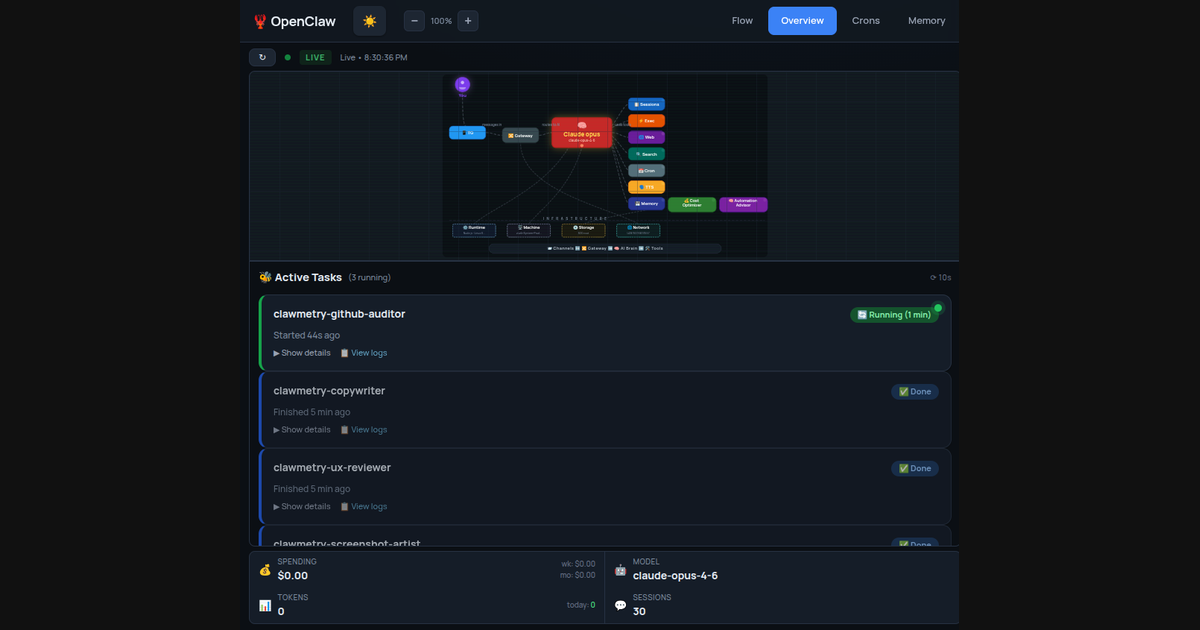
Real-time observability dashboard for AI agents, focused on sessions, token costs, tools, cron jobs, and runtime activity.
Security scanner and verification layer for OpenClaw skills and agent workflows, with audit coverage mapped to OWASP ASI-style risks.
Open-source production agent framework built to make smaller and local language models more usable in autonomous workflows.
Skills marketplace for AI clients that delivers curated MCP tools through a single URL instead of making teams build their own skill servers.
Shared knowledge layer for coding agents so successful fixes and answers can be reused across sessions and teammates.
Git worktree manager built for parallel AI coding workflows, with CLI commands that make isolated agent branches easier to create and clean up.
Persistent memory and context layer for AI coding tools, with MCP access, scoped handoffs, and reusable project knowledge across sessions.
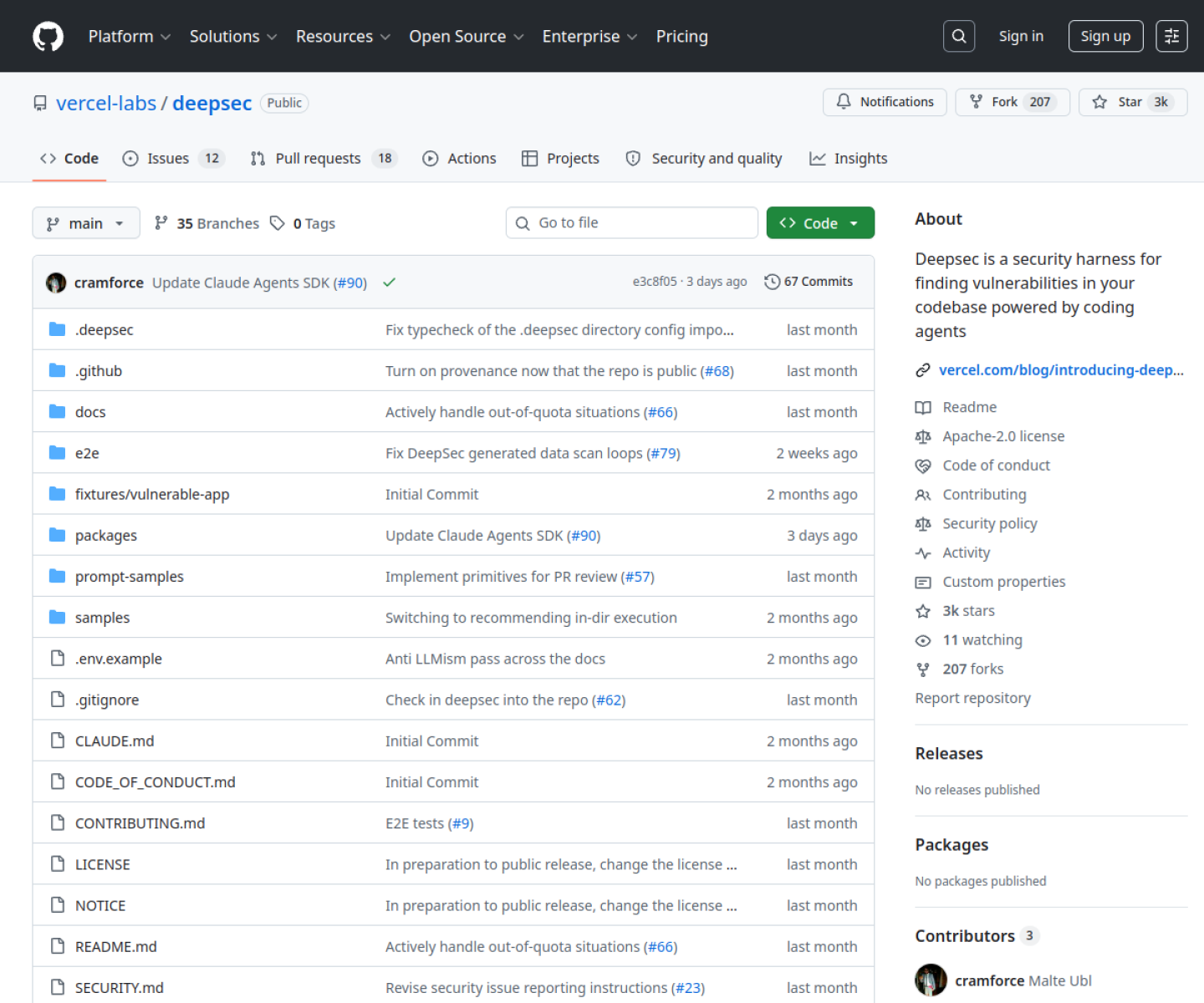
Security harness from Vercel Labs for using coding agents to find vulnerabilities in a codebase with more structure than ad hoc prompt-based review.
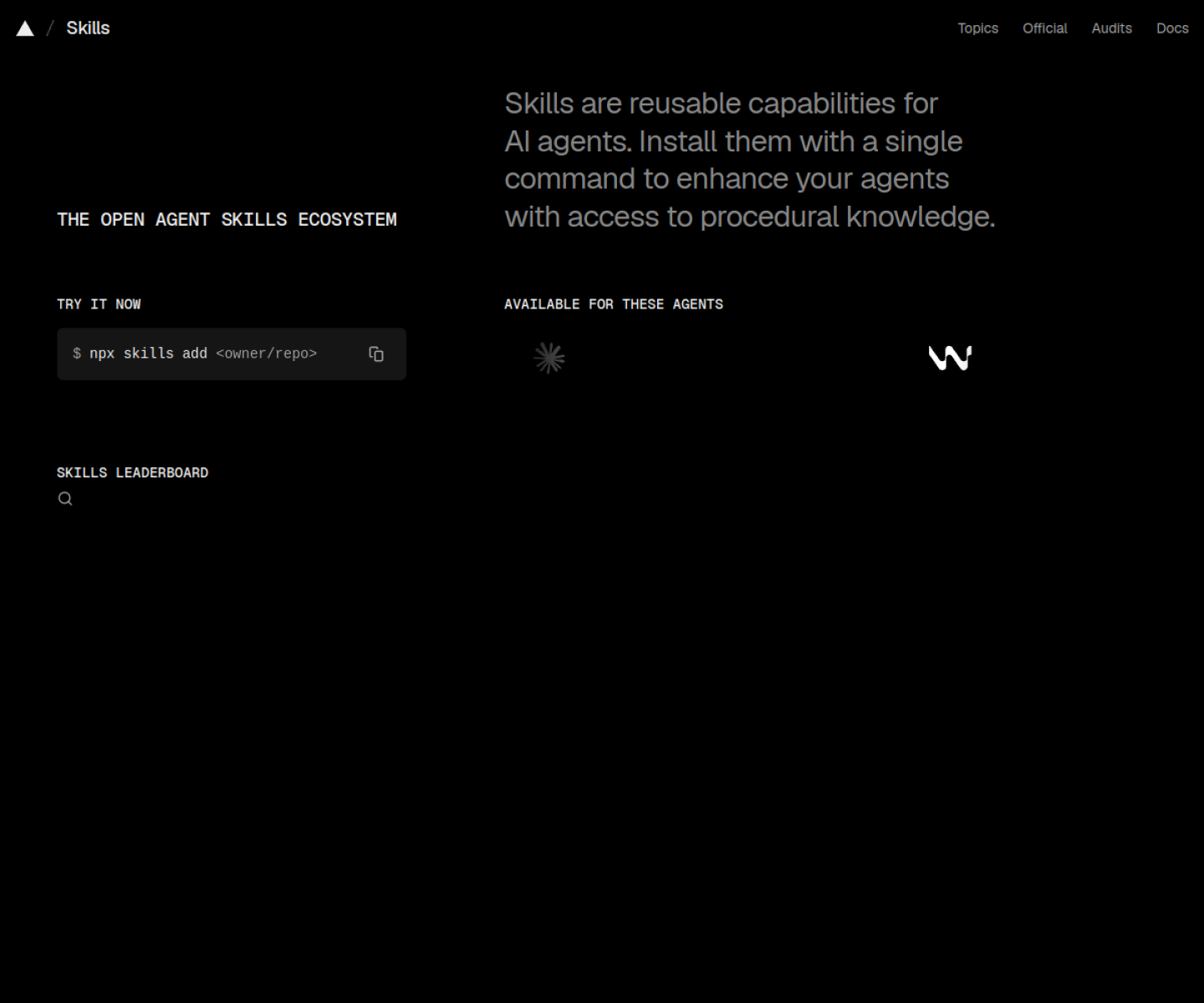
Open skills directory and installation workflow for AI agents, built around reusable agent capabilities that can be discovered, audited, and installed quickly.