Verbatik
Transform your text into natural-sounding speech in over 142 languages and accents using Verbatik's AI-powered platform. With advanced technology, Verbatik ensures high-quality voice output that captures the nuances of each language. Whether you need to create engaging audio content, enhance accessibility, or improve user experience, Verbatik provides a seamless solution. Experience the power of AI-driven speech synthesis and elevate your projects with lifelike voiceovers that resonate with your audience. Discover the versatility of Verbatik today and unlock new possibilities in communication.
AI Project Details
Verbatik review: text-to-speech for multilingual voice content
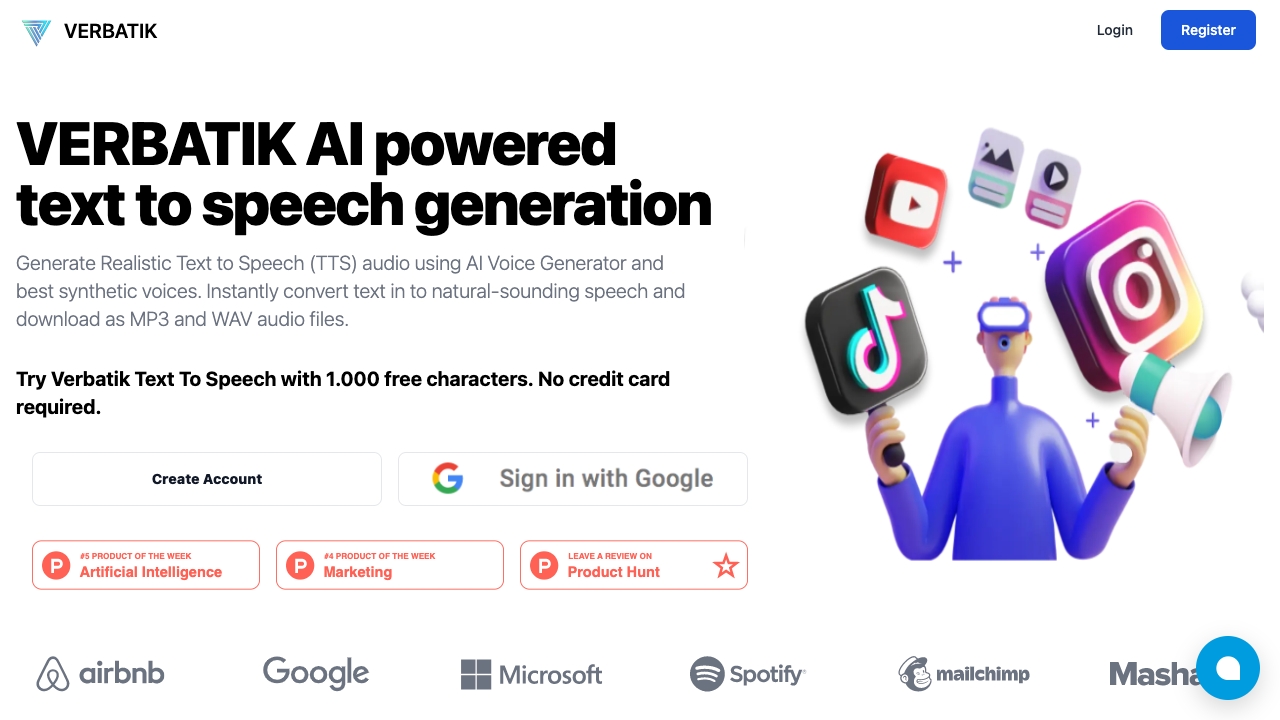
Verbatik is a text-to-speech platform for turning written scripts into voice audio across many languages and voices. The public product positioning focuses on natural-sounding voices, multilingual TTS, commercial content creation, downloads, and developer/API-style usage for teams that need voice output without recording every script manually.
The strongest fit is repeatable narration: explainer videos, training modules, product walkthroughs, accessibility audio, localization drafts, and small-business content. Verbatik is less compelling when a project needs distinctive acting, broadcast-level direction, or a tightly controlled brand voice.
Best-fit use cases
| Use case | Verbatik fit | Notes | |---|---:|---| | Training and explainer narration | Medium to high | Works well for clear scripts and repeatable voice output. | | Multilingual marketing audio | Medium | Native-speaker review is important before publishing. | | Product demo voiceovers | Medium to high | Useful for fast iteration and localization. | | Audiobook performance | Low to medium | Long-form performance quality should be tested carefully. | | Celebrity or unauthorized voice cloning | Low | Use consent-based voice workflows and rights checks. |
What to evaluate before adopting Verbatik
Teams should test voice naturalness, pronunciation control, language coverage, export quality, commercial rights, API reliability, usage limits, and how edits are handled when scripts change. For multilingual use, translation and pronunciation review matter as much as the TTS engine itself.
Verbatik is best treated as a practical production tool, not a replacement for all voice talent. It can reduce cost and turnaround time for routine narration, while high-stakes brand campaigns may still deserve human recording.
Strengths
- Clear fit for multilingual text-to-speech and repeatable narration workflows.
- Useful for training, product videos, explainers, accessibility audio, and fast localization drafts.
- Lower operational burden than booking voice talent for every script revision.
Limitations
- Voice quality varies by language, accent, script, and emotional range.
- Human review is needed for pronunciation, meaning, and rights-sensitive content.
- Premium brand campaigns may still need directed human voiceover.
Bottom line
Verbatik should be indexed as a focused TTS option, not as a broad AI audio suite. A good pilot uses five real scripts in the target languages, compares voices, checks pronunciation, exports production files, and verifies commercial usage terms before committing to a plan.
Sources reviewed: Verbatik homepage, Verbatik pricing, Verbatik API page.
FAQ
What is Verbatik best for?
Verbatik is best for multilingual text-to-speech, training narration, explainer voiceovers, product demos, localization drafts, and routine script-to-audio workflows.
Can Verbatik replace human voice actors?
It can replace some routine narration work, but emotional performance, brand campaigns, and long-form productions may still need professional voice actors.
What should teams test before using Verbatik?
Test voice naturalness, pronunciation, language coverage, export quality, editing workflow, API reliability, commercial rights, and native-speaker review needs.