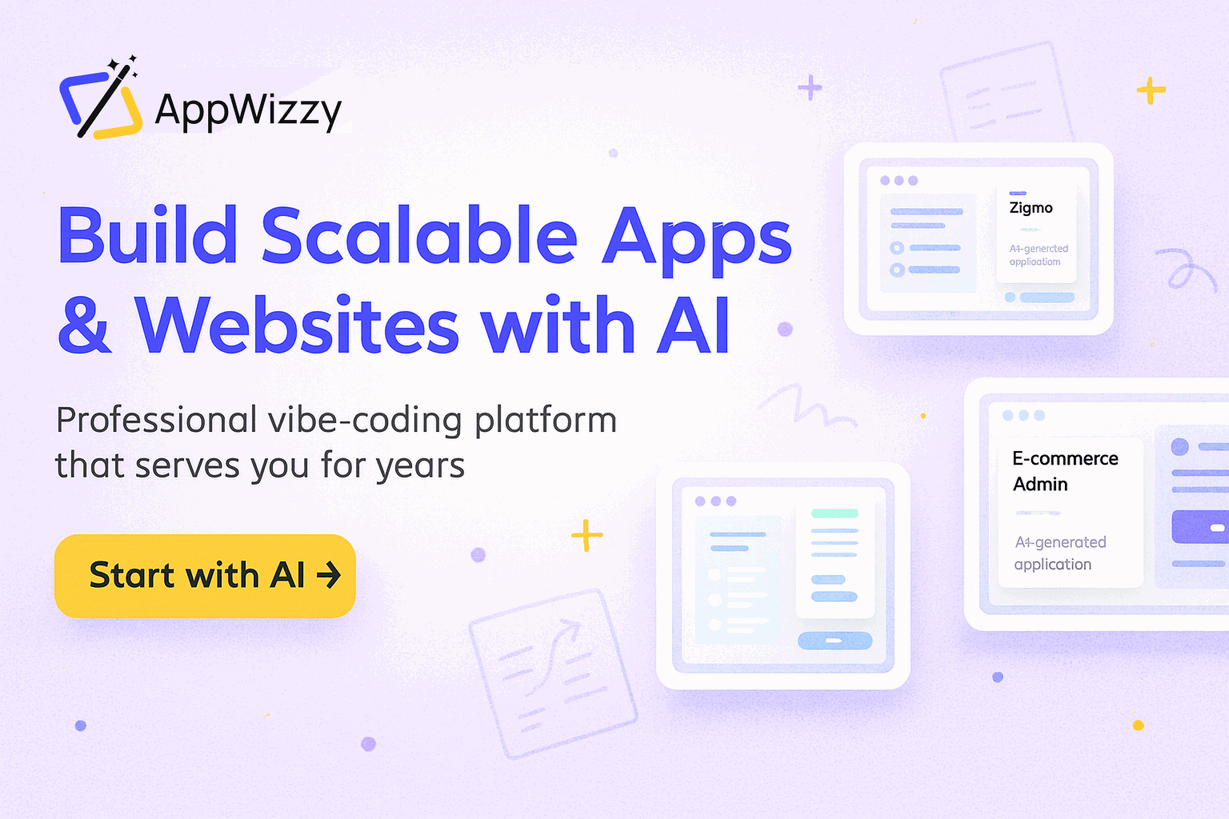
AppWizzy
AI app-building platform that provisions a private development machine, generates production-oriented web apps from prompts, and handles deployment, hosting, and template bootstrapping.
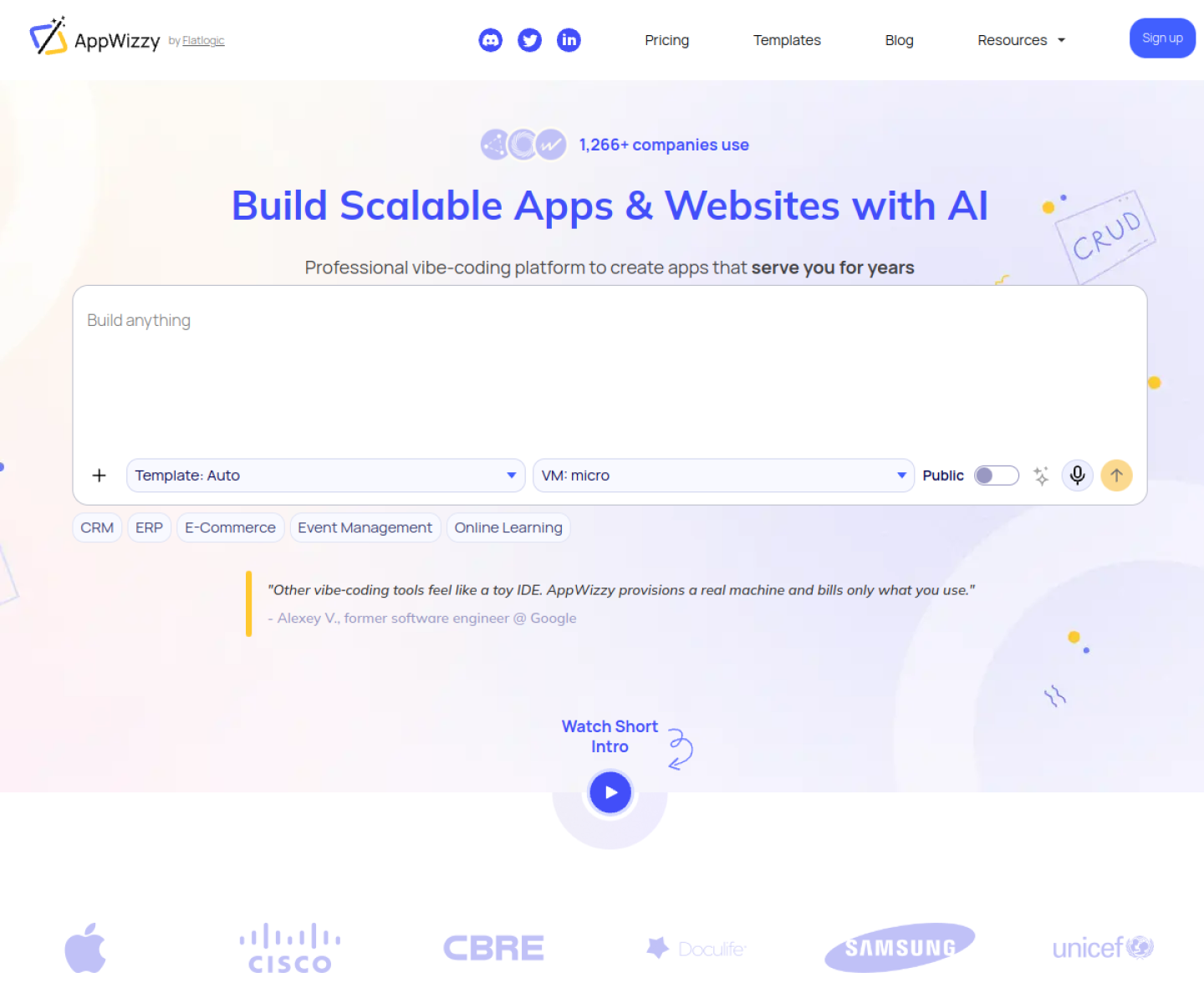
AI Project Details
AppWizzy review: AI app-building platform that provisions a private development machine, generates production-oriented web apps from prompts, and handles deployment, hosting, and template bootstrapping.
AppWizzy is aimed at founders, agencies, and small teams that want faster full-stack app delivery than hand-assembling every environment, template, and deployment step themselves. The current product materials describe a workflow built around describe the app in plain english, pick a seed template or start clean, let appwizzy generate architecture and code on its hosted environment, then iterate and deploy from the same workspace. That framing matters because many new AI launches still stop at a broad promise. AppWizzy has a clearer job to do.
The stronger reason to care is operational fit. AppWizzy is more concrete than many AI app builders because it exposes underlying machine sizing, token costs, and template licensing rather than hiding behind a simple prompt box. The product is explicit about supporting production-ready apps, private workspaces, and GitHub source export instead of stopping at toy prototypes. Its current launch materials frame the platform around a private VM with Codex-driven development, which is unusually specific and easy to verify.
How the workflow works
A sensible first pass is simple: start from the product's core entry point, validate the main loop on a representative task, and only then judge whether the surrounding automation is real. For AppWizzy, that means users should describe the app in plain english, pick a seed template or start clean, let appwizzy generate architecture and code on its hosted environment, then iterate and deploy from the same workspace. If that loop feels shorter, clearer, or easier to control than the alternatives, the product is doing something useful.
Where AppWizzy stands out
| Evaluation angle | Fit | Why it matters | | --- | --- | --- | | Best-fit user | High | Founders, agencies, and small teams that want faster full-stack app delivery than hand-assembling every environment, template, and deployment step themselves. | | Core workflow clarity | High | Describe the app in plain English, pick a seed template or start clean, let AppWizzy generate architecture and code on its hosted environment, then iterate and deploy from the same workspace. | | Switching cost reducer | Medium to high | AppWizzy is more concrete than many AI app builders because it exposes underlying machine sizing, token costs, and template licensing rather than hiding behind a simple prompt box. | | Adoption risk | Medium | Users still need to verify generated architecture, ongoing hosting costs, and code ownership expectations before betting a serious product on it. |
Practical use cases
- Generating and deploying full-stack web apps from natural-language briefs
- Using a hosted private dev environment instead of local setup for AI building
- Bootstrapping SaaS, admin, or portal projects from templates and iterative prompts
Limits and buying notes
Users still need to verify generated architecture, ongoing hosting costs, and code ownership expectations before betting a serious product on it. The strongest fit is for teams comfortable with AI-led scaffolding, not buyers who need a conventional low-code governance model. Pricing status today: The official pricing page lists a Free plan at $0 per month, a Pro plan at $20 per month, and enterprise pricing on request, with separate token, hosting, and template costs.
FAQ
What is AppWizzy best for?
AppWizzy is strongest when generating and deploying full-stack web apps from natural-language briefs matters more than a generic AI demo. The official product materials position it around a concrete workflow rather than a blank chatbot shell.
Who should try AppWizzy first?
Founders, agencies, and small teams that want faster full-stack app delivery than hand-assembling every environment, template, and deployment step themselves. Teams with a real workflow match will get value faster than general curiosity users.
What should buyers verify before adopting AppWizzy?
Users still need to verify generated architecture, ongoing hosting costs, and code ownership expectations before betting a serious product on it. The strongest fit is for teams comfortable with AI-led scaffolding, not buyers who need a conventional low-code governance model. Pricing, privacy, and workflow fit should be checked directly on the current product before rollout.
Reviewed sources
- https://appwizzy.com/
- https://appwizzy.com/pricing
- https://www.producthunt.com/products/appwizzy
FAQ
What is AppWizzy best for?
AppWizzy is strongest when generating and deploying full-stack web apps from natural-language briefs matters more than a generic AI demo. The official product materials position it around a concrete workflow rather than a blank chatbot shell.
Who should try AppWizzy first?
Founders, agencies, and small teams that want faster full-stack app delivery than hand-assembling every environment, template, and deployment step themselves. Teams with a real workflow match will get value faster than general curiosity users.
What should buyers verify before adopting AppWizzy?
Users still need to verify generated architecture, ongoing hosting costs, and code ownership expectations before betting a serious product on it. The strongest fit is for teams comfortable with AI-led scaffolding, not buyers who need a conventional low-code governance model. Pricing, privacy, and workflow fit should be checked directly on the current product before rollout.